With more than 10‑year industry experience, Shandong Headpowder delivers full‑service pneumatic‑conveying systems and blowers, undertaking nationwide turn‑key powder‑handling projects.
Exploring the fundamental principles of fine powder pneumatic conveying equipment is essential for industries that rely on efficient bulk powder handling. This technology facilitates the movement of fine powders through a pressurized or vacuum system, addressing common challenges such as dust generation, material loss, and process integration complexities.
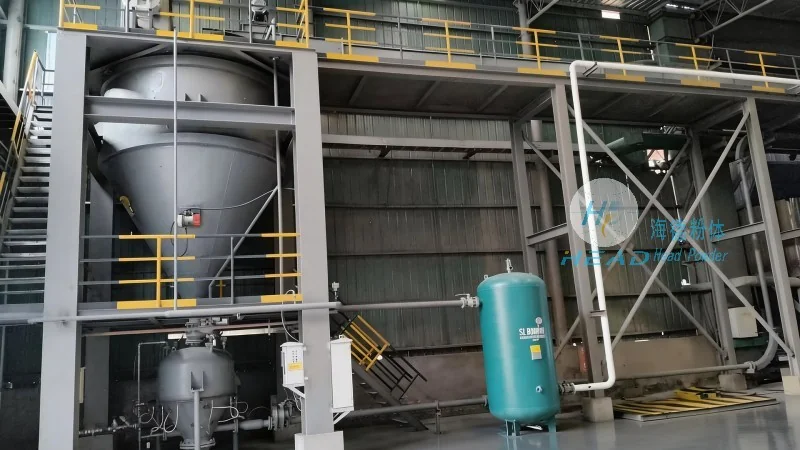
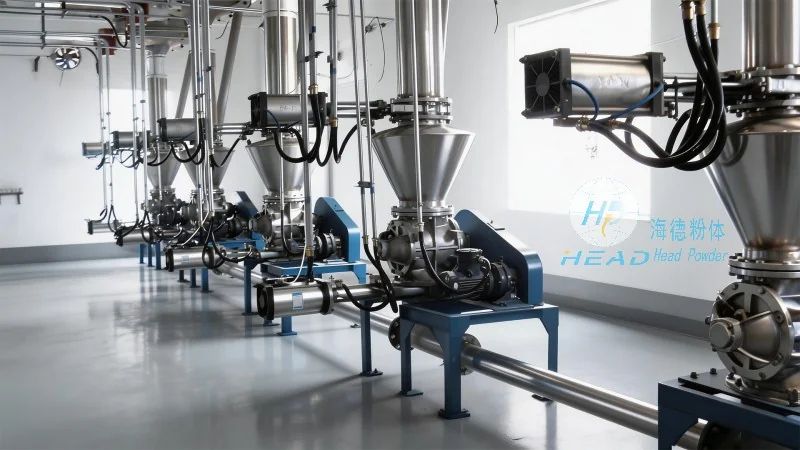
The essential components of a fine powder pneumatic conveying system typically consist of a material hopper for storage, a conveying pipeline (often constructed from stainless steel or food-grade plastic to prevent material adhesion and corrosion), a blower or vacuum pump to generate the required air flow, and a control system to regulate pressure and flow rates. The process initiates when fine powder is fed into the hopper. As air is introduced, it creates a fluidized bed, lifting the powder particles and propelling them through the pipeline. The design of the conveying line, including bends and elbows, is critical to minimize pressure drop and ensure smooth material transport. The control system plays a pivotal role in maintaining consistent air pressure and flow, directly impacting conveying efficiency and the integrity of the powder particles.
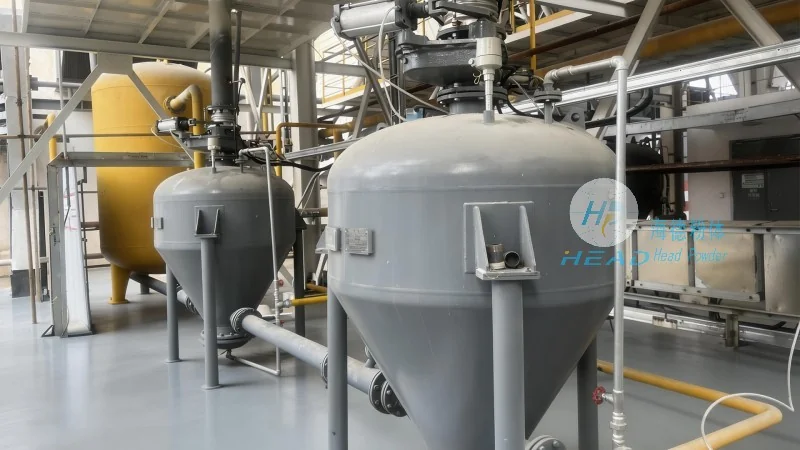
Compared to mechanical conveying systems, fine powder pneumatic conveying offers distinct advantages. It eliminates the need for moving parts within the conveying line, reducing maintenance requirements and extending equipment lifespan. The enclosed system effectively controls dust emissions, enhancing workplace safety and compliance with environmental regulations. Additionally, it allows for the transportation of materials over extended distances and through multiple processing stages without risking material degradation or contamination. The flexibility of pneumatic systems also enables seamless integration with existing production lines, making them a cost-effective solution for diverse industrial applications.
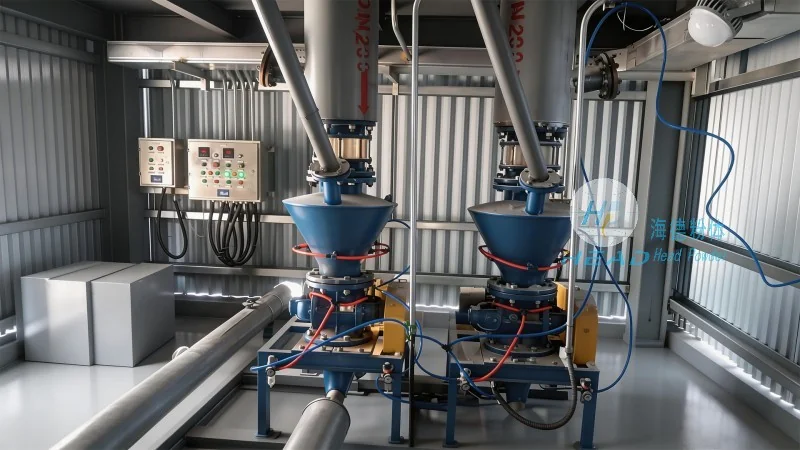
Fine powder pneumatic conveying equipment is widely utilized across multiple sectors. In the pharmaceutical industry, it ensures the safe and sterile transport of active pharmaceutical ingredients (APIs) and excipients, preserving product purity and preventing cross-contamination. The food and beverage sector employs these systems for handling fine powders like sugar, flour, and spices, where hygiene and product quality are non-negotiable. The chemical industry benefits from the ability to transport reactive or hazardous powders in a controlled environment, minimizing accident risks. In the cement and construction materials industry, pneumatic conveying is vital for moving fine cement and additives, improving production efficiency and reducing material waste. Each application leverages the equipment's capability to handle delicate materials while maintaining operational efficiency and safety standards.

 Shandong Headpowder Engineering Co., Ltd.
 156-6277-7102(Manager Zhang)
  0531-83386006
  Zhangqiu District, Jinan City, Shandong Province, China
telephone
WeChatconsult
top