

Principle of Mica Powder Pneumatic Conveying System
Mica powder, a key material in various industrial applications, often requires efficient and reliable transport methods to maintain its quality and prevent degradation. The pneumatic conveying system has emerged as a sophisticated solution for handling mica powder, offering advantages such as minimal product contamination, reduced labor costs, and enhanced process control. This article delves into the fundamental principles of mica powder pneumatic conveying systems, exploring the technical aspects that make them effective for industrial use.
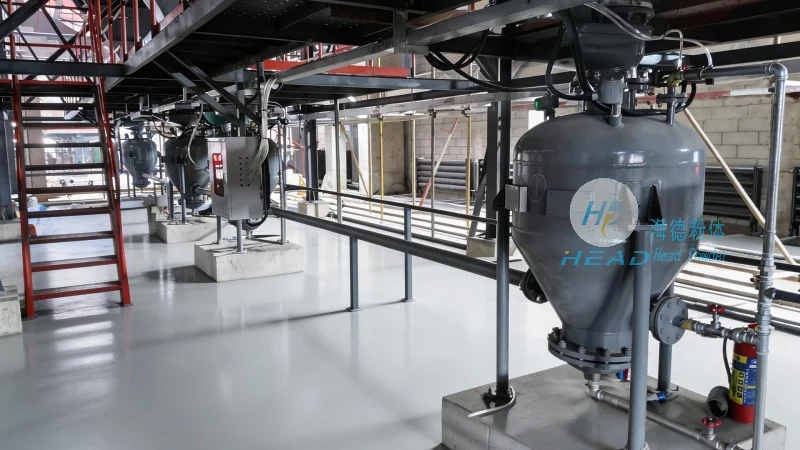
Core Components of a Mica Powder Pneumatic Conveying System
A typical mica powder pneumatic conveying system comprises several critical components that work in tandem to ensure smooth material transport. The primary elements include a hopper for material storage, a conveyor line (either positive or negative pressure), a pump or blower to generate airflow, and a receiver for the discharged material. Each component plays a vital role in the overall operation, and their design and integration directly impact the system's efficiency and performance.
Working Principle of Pneumatic Conveying for Mica Powder
The pneumatic conveying process for mica powder operates on the principle of using air to transport the powder particles through a pipeline. In a positive pressure system, air is forced into the conveyor line, carrying the mica powder from the source to the destination. Conversely, a negative pressure system draws air and material through the line, creating a vacuum that pulls the powder. The choice between positive and negative pressure depends on factors like material characteristics, distance, and system layout. For mica powder, which is often light and can be prone to segregation, the system design must account for these properties to prevent agglomeration and ensure uniform flow.
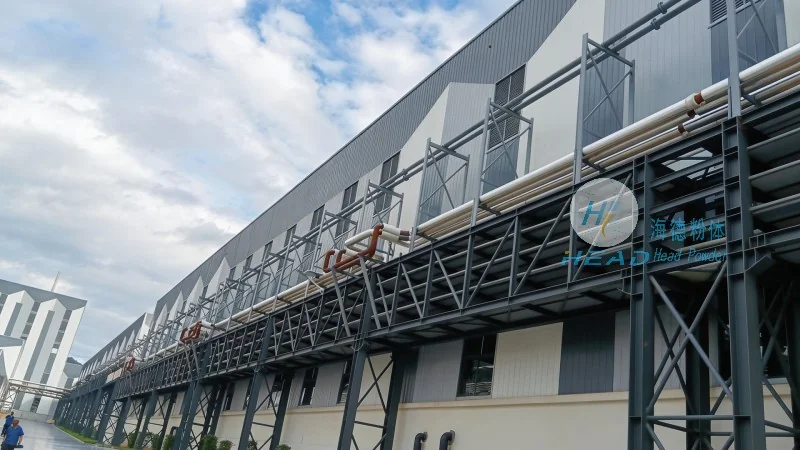
Advantages of Mica Powder Pneumatic Conveying Systems
Implementing a pneumatic conveying system for mica powder offers numerous benefits that enhance operational efficiency and product quality. One of the most significant advantages is the ability to maintain a closed system, which minimizes exposure to environmental contaminants and prevents dust emissions. This is particularly important for mica powder, which may contain fine particles that can be hazardous if released into the air. Additionally, the system reduces the need for manual handling, lowering labor costs and improving workplace safety. Furthermore, the precise control over airflow and pressure allows for consistent material flow rates, ensuring that downstream processes receive a uniform feed of mica powder.
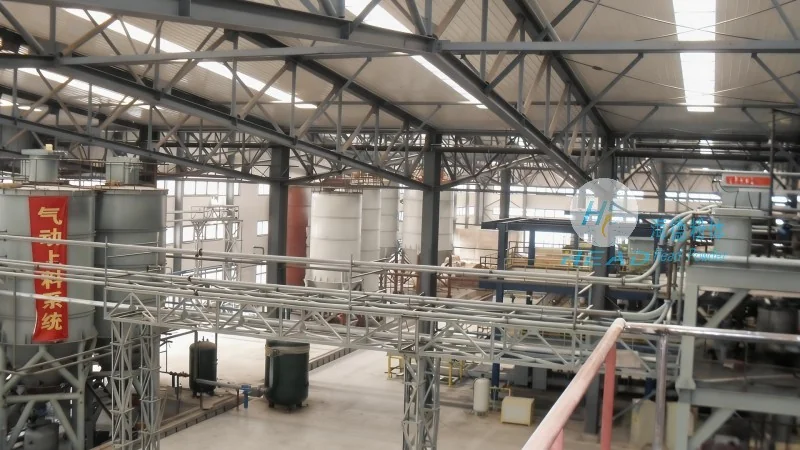
Application Considerations for Mica Powder Pneumatic Conveying
The successful application of a mica powder pneumatic conveying system requires careful consideration of several factors. Material properties, such as particle size, density, and moisture content, are critical in determining the appropriate system design. For example, finer mica powders may require higher air velocities to prevent blockages, while coarser particles might need larger pipe diameters to maintain flow. The distance between the source and destination also influences the system's configuration, as longer distances may necessitate multiple stages or booster units to maintain pressure. Furthermore, the system must be designed to handle potential variations in material feed, ensuring that it can adapt to changes in production rates without compromising performance.
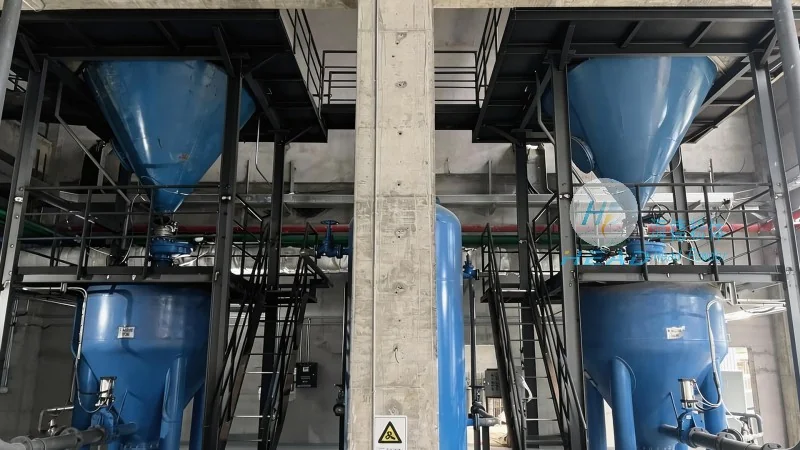
Maintenance and Operational Tips for Mica Powder Pneumatic Conveying Systems
Regular maintenance is essential to ensure the longevity and optimal performance of a mica powder pneumatic conveying system. Key maintenance tasks include cleaning the hopper and conveyor lines to prevent material buildup, inspecting the blower or pump for wear and tear, and checking for air leaks in the system. It is also important to monitor the airflow and pressure regularly to detect any deviations that could indicate a problem. Proper maintenance not only extends the system's lifespan but also ensures consistent material transport, reducing downtime and maintaining product quality. Additionally, training operators on the proper use and troubleshooting of the system can further enhance its efficiency and reliability.
Conclusion: The Role of Shandong HeadPowder Engineering Co., Ltd. in Mica Powder Pneumatic Conveying Solutions
Shandong HeadPowder Engineering Co., Ltd., with its expertise in industrial material handling, provides comprehensive solutions for mica powder pneumatic conveying systems. By leveraging advanced engineering principles and tailored system designs, the company ensures that clients receive efficient and reliable equipment that meets their specific operational needs. The principles outlined in this article highlight the importance of understanding the technical aspects of pneumatic conveying for mica powder, and HeadPowder's commitment to quality and innovation positions them as a trusted partner in the industry. As the demand for efficient material transport systems continues to grow, the mica powder pneumatic conveying system remains a vital technology, and companies like HeadPowder play a crucial role in advancing its application and performance.