With more than 10‑year industry experience, Shandong Headpowder delivers full‑service pneumatic‑conveying systems and blowers, undertaking nationwide turn‑key powder‑handling projects.
Sodium sulfate, a vital chemical compound widely used in various industrial applications, often requires efficient and reliable transportation methods. Pneumatic conveying systems have emerged as a preferred solution for handling sodium sulfate, offering advantages such as reduced dust generation, improved safety, and enhanced process control. This article explores the key components that constitute a typical sodium sulfate pneumatic conveying system, highlighting the technology's role in modern industrial operations.
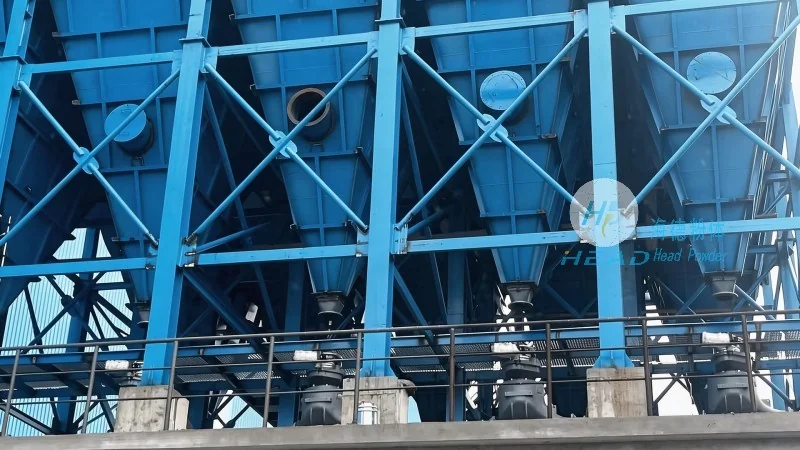
The effectiveness of a sodium sulfate pneumatic conveying system depends on several critical components working in harmony. These components are designed to ensure the safe and efficient transport of sodium sulfate from its source to the destination. The primary elements include:
Each component in the sodium sulfate pneumatic conveying system plays a crucial role in the overall operation. The pneumatic conveying hopper ensures a consistent feed rate, preventing blockages and maintaining system stability. The pipeline's design and material selection are critical to avoid material degradation or system failure due to abrasion or corrosion. The blower or fan provides the necessary air pressure to overcome resistance in the pipeline and move the material efficiently. The filter and dust collector system is essential for maintaining air quality and complying with environmental regulations. Finally, the receiving hopper ensures that the material is stored safely and can be accessed for further processing.
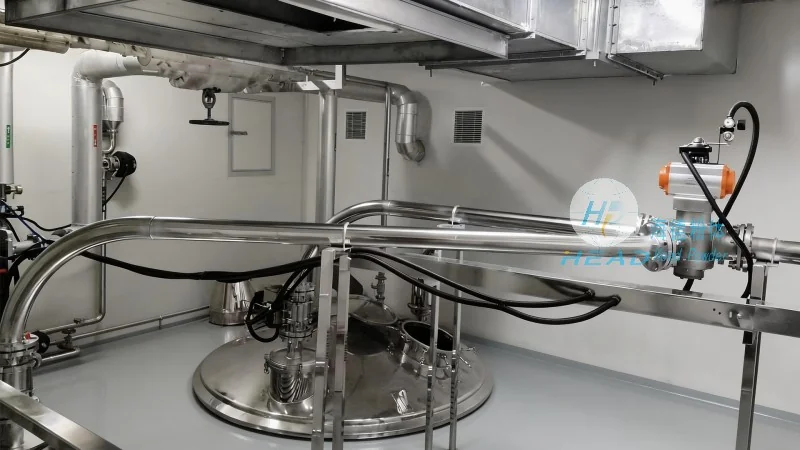
Implementing a pneumatic conveying system for sodium sulfate offers several advantages over traditional methods like belt conveyors or bucket elevators. These benefits include:
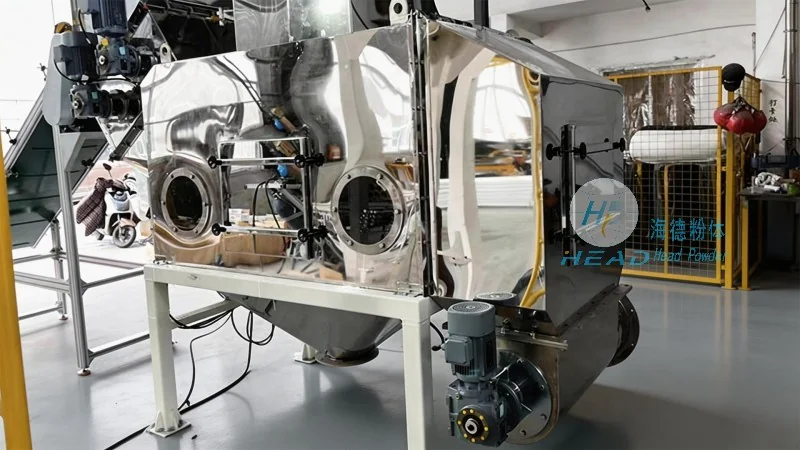
Sodium sulfate pneumatic conveying systems are widely used in various industries, including chemical manufacturing, food processing, and pharmaceuticals. In chemical plants, they are used to transport sodium sulfate between reactors, storage tanks, and packaging lines. In food processing, the system ensures hygienic handling of the material, preventing cross-contamination. In pharmaceutical applications, the enclosed system maintains the purity of the sodium sulfate, meeting stringent quality standards.
Shandong HeadPowder Engineering Co., Ltd., operating under the brand name headpowder, is a leading provider of industrial conveying solutions. With a focus on innovation and quality, the company specializes in designing and manufacturing pneumatic conveying systems tailored to the specific needs of its clients. Headpowder's expertise in material handling technology ensures that its systems are efficient, reliable, and compliant with industry standards. The company's commitment to customer satisfaction and technical excellence has made it a trusted partner in the chemical and processing industries.

 Shandong Headpowder Engineering Co., Ltd.
 156-6277-7102(Manager Zhang)
  0531-83386006
  Zhangqiu District, Jinan City, Shandong Province, China
telephone
WeChatconsult
top