With more than 10‑year industry experience, Shandong Headpowder delivers full‑service pneumatic‑conveying systems and blowers, undertaking nationwide turn‑key powder‑handling projects.
Understanding the types, features, and application ranges of gypsum ash pneumatic conveying systems is crucial for industries dealing with gypsum ash, a byproduct commonly found in power plants and industrial processes. This article provides an in-depth look at the key aspects of these systems, highlighting their operational advantages and practical applications.
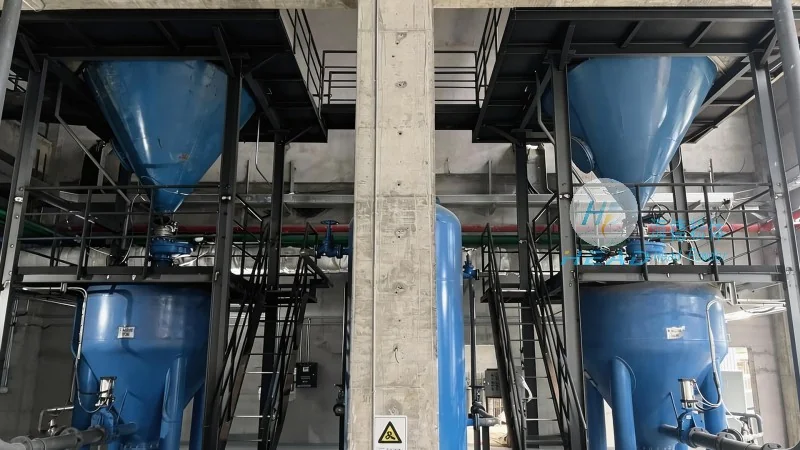
Gypsum ash, a fine powder resulting from the combustion of gypsum-containing materials, requires efficient and reliable handling methods to ensure safe and effective disposal or reuse. Pneumatic conveying systems offer a solution by utilizing air pressure to transport the material from one location to another, eliminating the need for mechanical components like belts or buckets in many cases. This method is particularly advantageous for handling dusty or abrasive materials like gypsum ash, as it minimizes contamination and reduces wear on equipment.
There are primarily two main types of pneumatic conveying systems used for gypsum ash: aspirating (or suction) systems and pressure (or blow) systems. Each type has distinct characteristics and is suited for different operational conditions.
Aspirating systems operate by creating a negative pressure at the material intake point, drawing the gypsum ash into the conveying line using a vacuum pump. These systems are ideal for applications where the material needs to be transported over short to medium distances, typically up to several hundred meters. They are commonly used in scenarios where the material is generated at a central point and needs to be collected and transported to a storage or processing facility. The main advantages of aspirating systems include lower initial costs, simplicity in installation, and the ability to handle materials with a wide range of particle sizes. However, they are generally limited by the distance and the amount of material that can be conveyed due to the power of the vacuum pump.
Pressure systems, on the other hand, use a positive pressure generated by a blower or compressor to push the gypsum ash through the conveying line. These systems are capable of transporting materials over longer distances, often exceeding 1,000 meters, and can handle higher material volumes compared to aspirating systems. Pressure systems are preferred in applications where the material is generated at multiple points and needs to be consolidated into a central location, or when the conveying distance is significant. The primary benefits of pressure systems include higher conveying capacity, longer operational distances, and the ability to handle more abrasive or sticky materials. However, they typically require more robust equipment and higher energy consumption compared to aspirating systems.
Regardless of the type, gypsum ash pneumatic conveying systems share several key features that make them an attractive choice for handling this material. These features include:
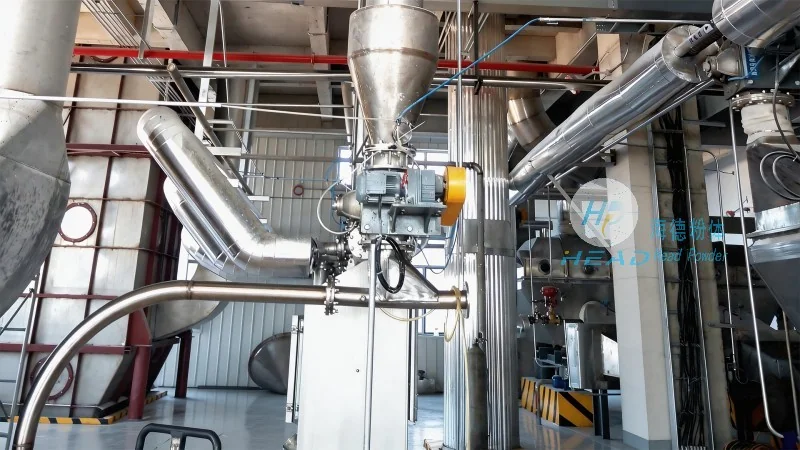
1. High Efficiency and Low Maintenance: Pneumatic conveying systems are known for their high efficiency in material transport, with minimal downtime due to fewer mechanical parts. The absence of moving parts like belts or chains reduces the risk of wear and tear, leading to lower maintenance costs over the system's lifespan.
2. Environmental Friendliness: By transporting gypsum ash through enclosed pipes, these systems prevent dust emissions into the environment, ensuring compliance with environmental regulations. This enclosed transport also minimizes the risk of material contamination and cross-contamination with other substances.
3. Versatility in Material Handling: Pneumatic conveying systems can handle a wide variety of gypsum ash compositions, including different particle sizes, moisture contents, and chemical properties. This versatility allows them to be adapted to various industrial applications, from power plant ash handling to industrial waste processing.
4. Energy Efficiency: Modern pneumatic conveying systems are designed to be energy-efficient, utilizing advanced blower and compressor technologies that optimize air usage while maintaining effective material transport. This efficiency reduces operational costs and contributes to a lower carbon footprint.
Gypsum ash pneumatic conveying systems find applications across various industries, primarily in power generation and industrial manufacturing. The main application ranges include:
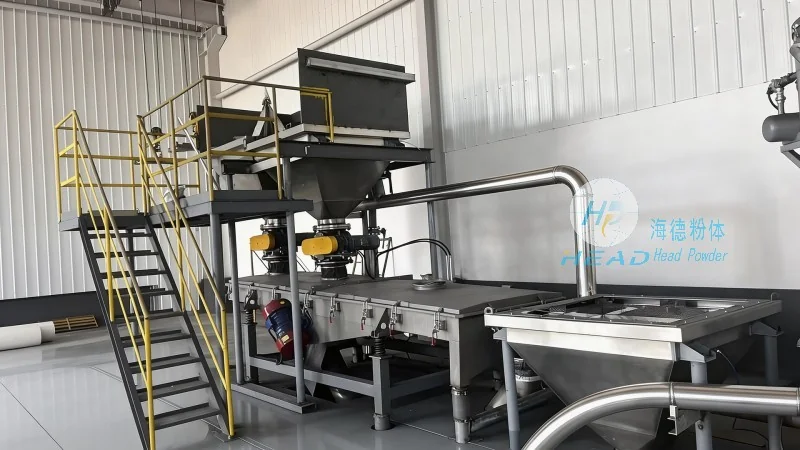
1. Power Plant Ash Handling: In thermal power plants, where gypsum ash is a byproduct of coal combustion, pneumatic conveying systems are used to transport the ash from the boiler to storage silos or disposal sites. This is crucial for maintaining the operational efficiency of the plant and ensuring proper waste management.
2. Industrial Waste Processing: In industries that generate gypsum-containing waste, such as cement production or chemical processing, pneumatic conveying systems help in the efficient collection and transport of these materials to recycling or disposal facilities. This aids in waste reduction and resource recovery.
3. Construction and Building Materials: Gypsum ash can be used as a raw material in the production of gypsum products like drywall and plaster. Pneumatic conveying systems facilitate the transport of this material from storage to processing plants, ensuring a steady supply for manufacturing.
4. Environmental Remediation: In some cases, gypsum ash is used for environmental remediation purposes, such as in land reclamation projects or as a soil amendment. Pneumatic conveying systems enable the precise and controlled application of this material in these applications.
Gypsum ash pneumatic conveying systems offer a reliable and efficient solution for handling this important industrial byproduct. By understanding the different types, features, and application ranges, industries can select the most suitable system for their specific needs, ensuring optimal performance, cost-effectiveness, and environmental compliance. As a leading provider in this field, Shandong HeadPowder Engineering Co., Ltd. specializes in designing and manufacturing customized pneumatic conveying solutions tailored to the unique requirements of each client, with a focus on quality, efficiency, and sustainability.

 Shandong Headpowder Engineering Co., Ltd.
 156-6277-7102(Manager Zhang)
  0531-83386006
  Zhangqiu District, Jinan City, Shandong Province, China
telephone
WeChatconsult
top