

Aluminum Nitride Pneumatic Conveying Technology Analysis: Comparison of Positive and Negative Pressu
When it comes to handling aluminum nitride, a high-performance ceramic material widely used in electronics and advanced manufacturing, the choice of conveying method can significantly impact process efficiency and material integrity. Pneumatic conveying offers a non-contact, flexible solution for transporting such materials, and among the available options, the selection between positive pressure and negative pressure systems plays a crucial role in optimizing performance. This article provides an in-depth analysis of aluminum nitride pneumatic conveying technology, focusing on the comparative advantages of positive and negative pressure modes, as presented by Shandong HeadPowder Engineering Co., Ltd., a leading provider in the field.
Understanding the Core Concepts of Pneumatic Conveying
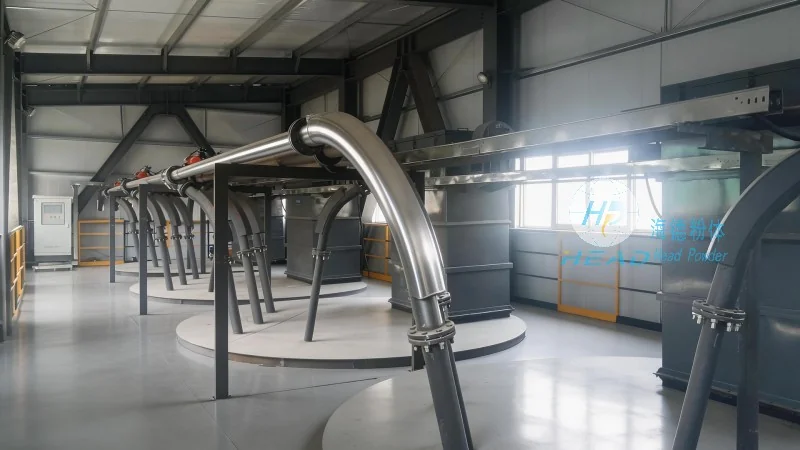
Pneumatic conveying systems utilize air or gas to transport bulk materials through a pipeline network. The fundamental principle involves creating a pressure differential to move material from the source to the destination. In the context of aluminum nitride, which is often in powder or granular form, the system must be designed to handle fine particles without causing excessive wear or degradation. The two primary modes—positive pressure and negative pressure—differ in how they generate the necessary pressure differential, each with distinct characteristics that influence suitability for specific applications.
Positive Pressure Pneumatic Conveying: Advantages and Applications
Positive pressure systems operate by blowing air or gas into the conveying line, creating a pressure higher than the ambient environment. This method is particularly effective for transporting aluminum nitride over long distances or through complex network layouts. The high pressure ensures consistent material flow and can handle abrasive or sensitive powders without compromising their quality. Shandong HeadPowder Engineering Co., Ltd. specializes in designing positive pressure systems that incorporate advanced control mechanisms to maintain optimal pressure levels, minimizing energy consumption while maximizing throughput. For applications requiring high-volume, continuous material transport, such as in large-scale production lines for electronic components, positive pressure conveying proves to be highly efficient.
Negative Pressure Pneumatic Conveying: Key Features and Use Cases
Conversely, negative pressure systems create a vacuum in the conveying line, drawing material from the source into the system. This approach is often preferred for applications where material contamination is a concern, as the sealed system prevents external particles from entering. Negative pressure conveying is particularly suitable for handling aluminum nitride in environments where dust control is critical, such as in cleanroom manufacturing facilities. The low-pressure operation also reduces the risk of material degradation due to friction or impact. However, negative pressure systems may have limitations in terms of distance and material capacity compared to positive pressure alternatives. Shandong HeadPowder Engineering Co., Ltd. offers negative pressure solutions tailored to industries like semiconductor manufacturing, where maintaining a sterile and dust-free environment is paramount.
Comparative Analysis: Positive vs. Negative Pressure for Aluminum Nitride
When evaluating the two modes for aluminum nitride pneumatic conveying, several factors must be considered. Positive pressure systems typically offer higher throughput and are more suitable for long-distance transport, while negative pressure systems excel in maintaining material purity and controlling dust. The choice ultimately depends on the specific requirements of the application, including the scale of operation, environmental constraints, and the nature of the material being handled. Shandong HeadPowder Engineering Co., Ltd. provides customized solutions that balance these factors, ensuring that clients receive the most appropriate system for their needs. For instance, in a high-volume production facility, a positive pressure system might be preferred for its efficiency, whereas in a research laboratory requiring precise material handling, a negative pressure system could be more suitable.
Technical Considerations and System Design
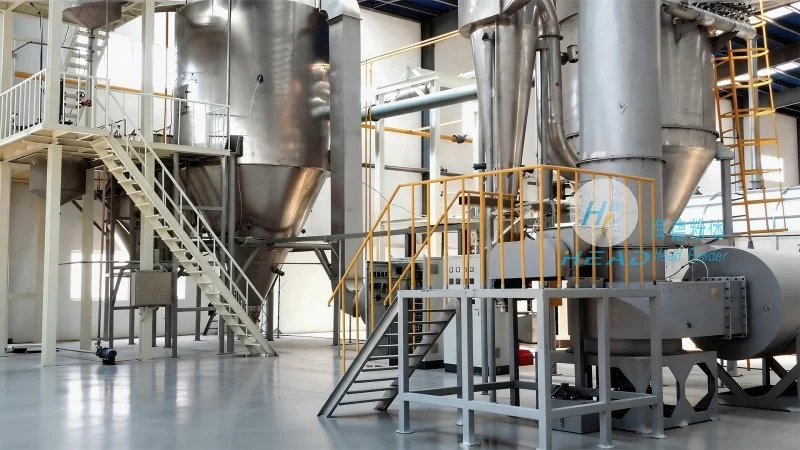
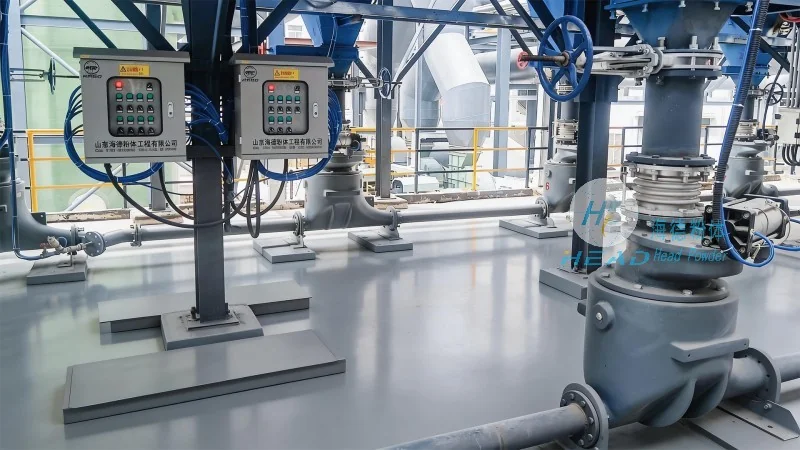
The successful implementation of aluminum nitride pneumatic conveying systems involves careful consideration of several technical aspects. Material properties, such as particle size, density, and abrasiveness, directly impact system design. Aluminum nitride particles are often fine and can be abrasive, necessitating the use of corrosion-resistant materials and wear-resistant components in the conveying line. The system must also be equipped with effective filtration and separation mechanisms to prevent material buildup and ensure consistent flow. Shandong HeadPowder Engineering Co., Ltd. employs advanced engineering techniques to address these challenges, incorporating features like cyclone separators and air filters to maintain system performance and longevity. Additionally, the integration of automation and control systems allows for real-time monitoring and adjustment, enhancing operational efficiency and reducing downtime.
Case Studies and Real-World Applications
Real-world applications of aluminum nitride pneumatic conveying systems highlight the effectiveness of both positive and negative pressure modes. In a leading electronics manufacturer, a positive pressure system was implemented to transport aluminum nitride powder from storage silos to production lines, achieving a throughput of 10 tons per hour with minimal material loss. The system’s ability to handle long distances and complex network layouts made it ideal for the facility’s layout. Conversely, a semiconductor company utilized a negative pressure system to convey aluminum nitride in a cleanroom environment, ensuring that the material remained free from contaminants and maintaining the required purity levels for their advanced components. These case studies demonstrate the versatility of pneumatic conveying technology and the importance of selecting the appropriate mode based on specific operational needs.
Conclusion: Choosing the Right Pneumatic Conveying Mode for Aluminum Nitride
In conclusion, the selection between positive and negative pressure pneumatic conveying systems for aluminum nitride is a critical decision that impacts process efficiency, material quality, and operational costs. Positive pressure systems offer high throughput and flexibility, making them suitable for large-scale production, while negative pressure systems excel in maintaining material purity and controlling dust, ideal for cleanroom applications. Shandong HeadPowder Engineering Co., Ltd. provides expert guidance and customized solutions to help clients choose the most appropriate system for their aluminum nitride handling needs. By leveraging advanced engineering and tailored design, the company ensures that clients achieve optimal performance and reliability in their pneumatic conveying operations. Whether it’s a positive or negative pressure system, the goal is to enhance productivity and maintain the integrity of aluminum nitride, supporting the success of industries that rely on this essential material.