

Technical Analysis of Air-Driven Conveying Systems for Moisture-Containing Ammonium Nitrate: A Compa
For industrial applications involving the transport of moisture-containing ammonium nitrate, selecting the appropriate air-driven conveying system is critical to ensure efficiency, safety, and operational reliability. This technical analysis delves into the core technologies of positive pressure and negative pressure conveying modes, providing a detailed comparison to help stakeholders make informed decisions.
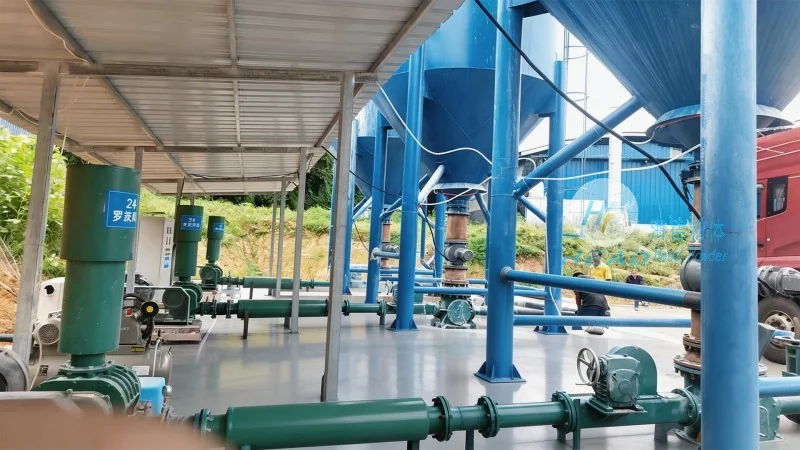
Introduction to Air-Driven Conveying Systems for Ammonium Nitrate
Ammonium nitrate, a widely used chemical in fertilizers and explosives, often requires specialized handling due to its moisture content and potential reactivity. Air-driven conveying systems offer a non-contact method to transport bulk materials like ammonium nitrate, minimizing product degradation and equipment wear. The choice between positive pressure and negative pressure systems depends on factors such as material characteristics, system layout, and operational requirements.
Company Overview: Shandong HeadPowder Engineering Co., Ltd.
HeadPowder, a leading engineering firm based in Shandong, China, specializes in the design, manufacturing, and implementation of advanced material handling solutions. With years of experience in the chemical and fertilizer industries, HeadPowder provides tailored air-driven conveying systems that meet the unique needs of clients. The company’s expertise lies in optimizing system performance while ensuring compliance with safety and environmental standards.
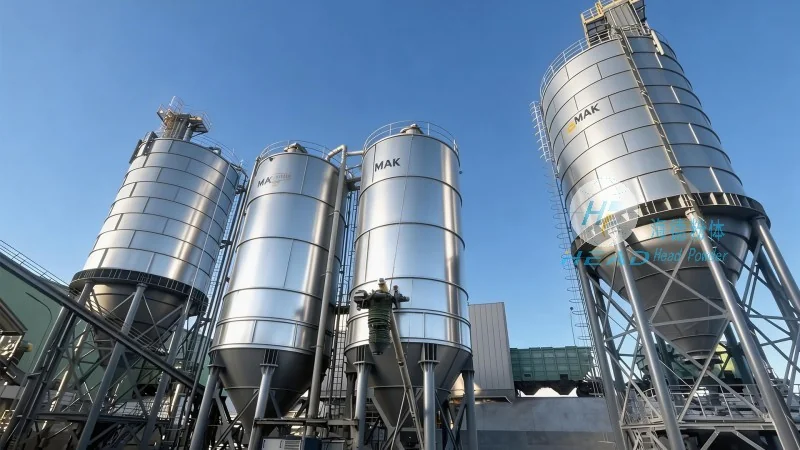
Positive Pressure Conveying Mode: Advantages and Technical Features
Positive pressure conveying systems operate by blowing air or a carrier gas into the conveying line, creating a pressure higher than the ambient environment. This method is particularly effective for transporting moisture-containing ammonium nitrate due to its ability to handle sticky or cohesive materials. The system typically includes a blower, a hopper, and a series of ducts that transport the material to the destination. Key advantages of positive pressure systems include high material throughput, consistent flow rates, and the ability to handle long distances or multiple transfer points. However, they may require more robust equipment to manage higher pressures and potential air leakage.
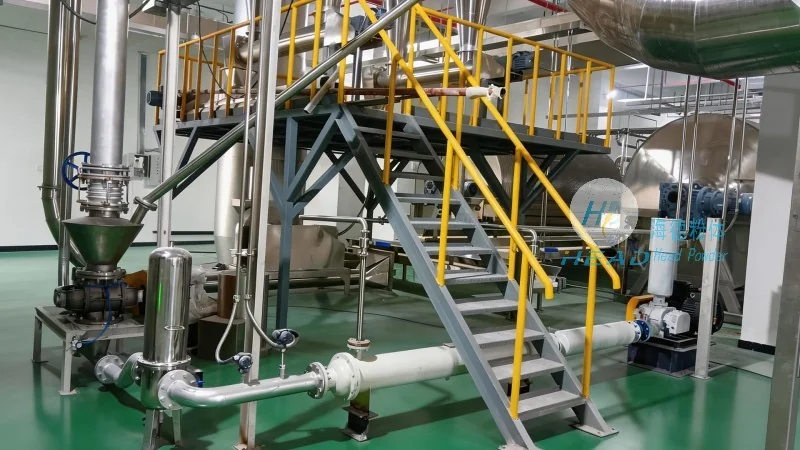
Negative Pressure Conveying Mode: Advantages and Technical Features
Negative pressure conveying systems, also known as vacuum systems, work by creating a vacuum in the conveying line, drawing material from the source. This approach is suitable for applications where the material needs to be transported from a higher elevation or where dust control is a priority. The system comprises a vacuum pump, a collection hopper, and a network of ducts that pull material into the system. Negative pressure systems are generally quieter and can handle more sensitive materials, as the material is not subjected to high pressure. However, they may have lower material capacity compared to positive pressure systems and are more susceptible to blockages if the material is too dry or fine.
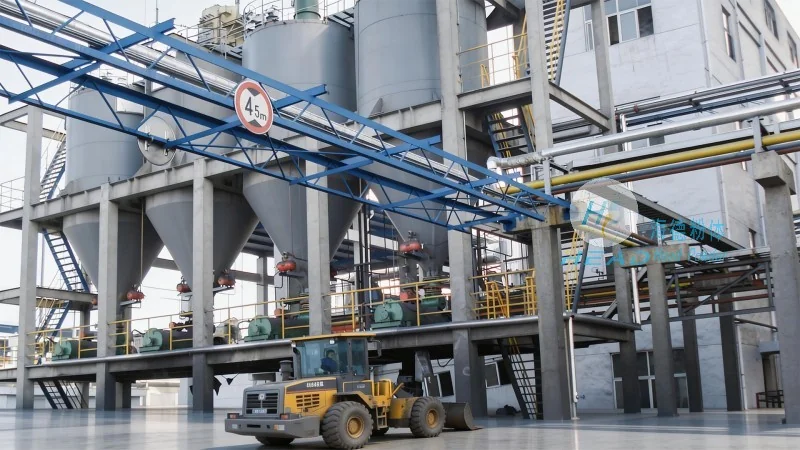
Technical Comparison: Positive vs. Negative Pressure for Moisture-Containing Ammonium Nitrate
When comparing positive and negative pressure systems for moisture-containing ammonium nitrate, several factors come into play. Positive pressure systems excel in high-volume, long-distance transport and are less prone to blockages due to the continuous flow of air. They are also easier to maintain as the air flow helps keep the system clean. On the other hand, negative pressure systems offer better dust control and are quieter, making them ideal for applications where noise and dust emissions are concerns. The choice often depends on the specific operational conditions, such as the distance between the source and destination, the material's moisture level, and the required throughput. HeadPowder’s engineering team can provide customized solutions that balance these factors to meet client requirements.
Conclusion: Selecting the Right Conveying System
Both positive and negative pressure air-driven conveying systems offer viable options for transporting moisture-containing ammonium nitrate. Positive pressure systems are generally more suitable for high-capacity, long-distance applications, while negative pressure systems are better for shorter distances or where dust control is paramount. By understanding the technical characteristics and operational needs of each mode, industries can select the most efficient and cost-effective solution. HeadPowder, with its expertise in material handling engineering, continues to innovate and provide reliable systems that enhance productivity and safety in the handling of ammonium nitrate.