With more than 10‑year industry experience, Shandong Headpowder delivers full‑service pneumatic‑conveying systems and blowers, undertaking nationwide turn‑key powder‑handling projects.
Pneumatic conveying is a critical technology in the handling and transportation of protein powders, offering efficient and hygienic solutions for various industrial applications. This article provides a detailed analysis of the two primary modes of pneumatic conveying—positive pressure and negative pressure systems—comparing their operational principles, advantages, and suitability for protein powder handling. The discussion is centered around the expertise of Shandong HeadPowder Engineering Co., Ltd., a leading provider in this field.
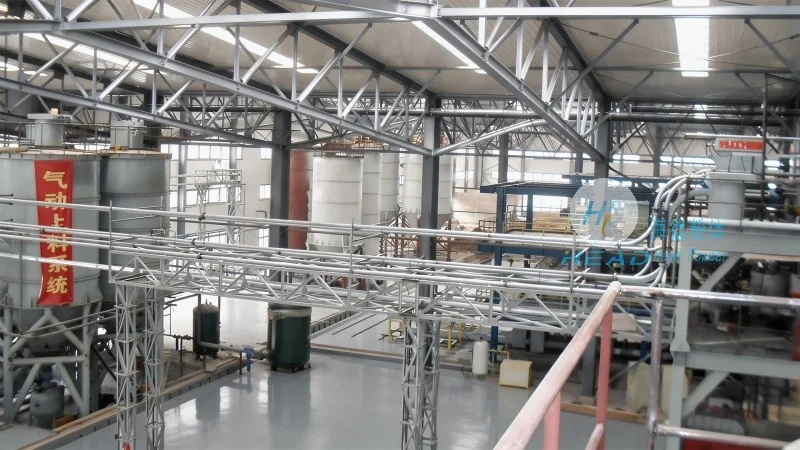
Pneumatic conveying uses pressurized or vacuum air to transport bulk materials like protein powders through a pipeline. The system typically consists of a hopper, a conveyor line, and a discharge unit. The choice between positive and negative pressure systems depends on factors such as material characteristics, distance, and process requirements. Both modes are widely used in the food and pharmaceutical industries, where maintaining product quality and hygiene is paramount.
Positive pressure systems operate by blowing air into the conveying line, creating a pressure higher than the ambient air. This method is particularly effective for transporting protein powders over long distances or through complex piping networks. The primary advantage of positive pressure is its ability to handle abrasive or sticky materials without causing degradation. Additionally, positive pressure systems are generally more reliable for high-volume applications, as they can maintain consistent flow rates even under varying load conditions. However, they may require more energy to operate and can be more complex to install, especially for large-scale operations.
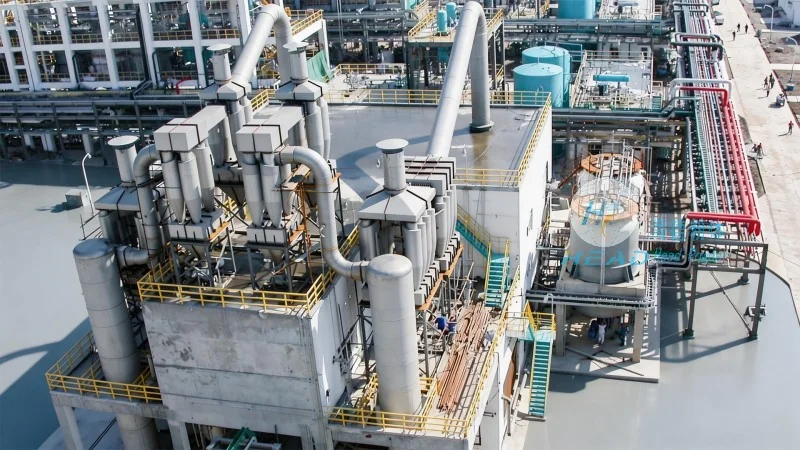
Negative pressure systems, also known as vacuum conveying, work by creating a vacuum in the conveying line, drawing material from the source into the system. This mode is ideal for short-distance transfers or when the material needs to be collected from multiple points. The key benefits of negative pressure include lower energy consumption compared to positive pressure systems and reduced risk of product contamination from external air. Negative pressure is particularly suitable for handling fine powders that are prone to dusting or caking. However, it may be less efficient for long-distance transport and can be more susceptible to blockages if the material is highly cohesive.
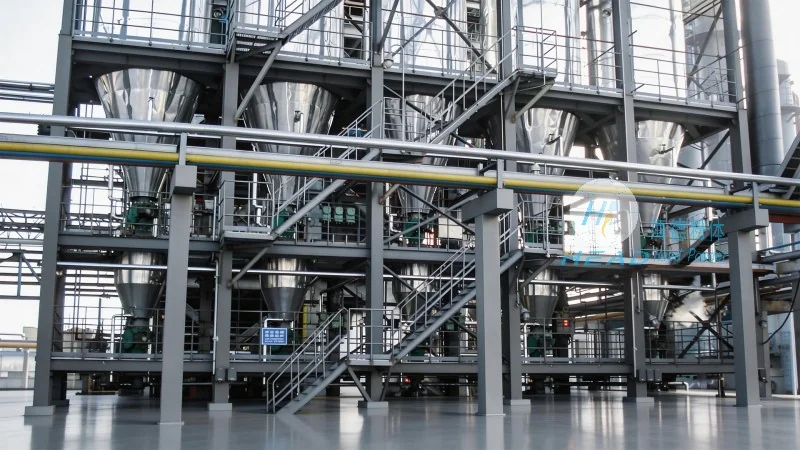
When selecting between positive and negative pressure pneumatic conveying for protein powders, several factors must be considered. The distance between the source and destination is a critical determinant. For short distances (typically up to 50 meters), negative pressure is often preferred due to its simplicity and lower cost. For longer distances or when the system involves multiple transfer points, positive pressure may be more appropriate. Material characteristics, such as particle size, moisture content, and flowability, also influence the choice. For example, cohesive or sticky protein powders may benefit from the higher air pressure in positive systems to prevent blockages. Additionally, the required flow rate and system capacity play a role; positive pressure systems can handle higher volumes more efficiently.
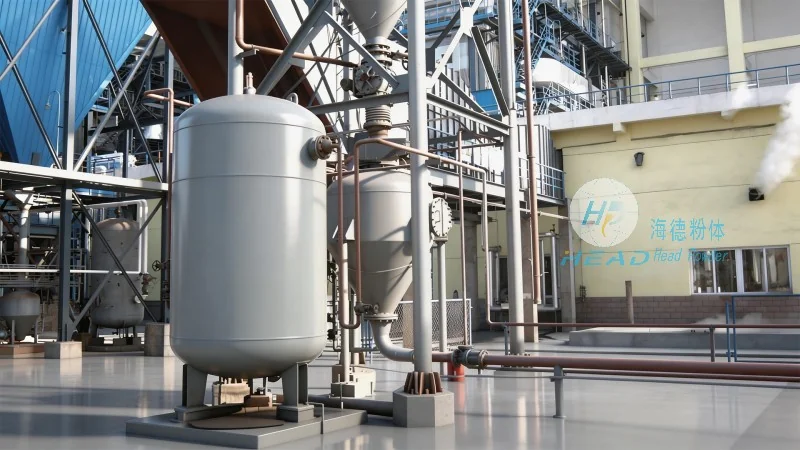
Both positive and negative pressure pneumatic conveying systems find applications in various stages of protein powder processing. Positive pressure is commonly used in large-scale production facilities for transporting raw materials from storage silos to processing lines. It is also suitable for packaging operations, where the material needs to be moved from bulk storage to packaging machines. Negative pressure systems are often employed in smaller-scale operations or for handling sensitive products that require minimal air exposure. For instance, in the pharmaceutical industry, negative pressure is preferred for transporting sterile protein powders to avoid contamination. Shandong HeadPowder Engineering Co., Ltd. specializes in designing and manufacturing customized pneumatic conveying solutions tailored to the specific needs of protein powder manufacturers, ensuring optimal performance and compliance with industry standards.
In conclusion, the choice between positive and negative pressure pneumatic conveying for protein powders depends on a combination of operational requirements, material properties, and cost considerations. Positive pressure systems offer higher efficiency for long-distance and high-volume transport, while negative pressure systems excel in short-distance and low-volume applications with a focus on hygiene and energy savings. By understanding the unique characteristics of protein powders and the operational constraints of the process, manufacturers can select the most suitable pneumatic conveying mode. Shandong HeadPowder Engineering Co., Ltd. provides expert guidance and tailored solutions to help clients optimize their protein powder handling processes, ensuring efficiency, reliability, and product quality. Whether you are dealing with bulk storage, processing, or packaging, their expertise in pneumatic conveying technology can enhance your operational performance.

 Shandong Headpowder Engineering Co., Ltd.
 156-6277-7102(Manager Zhang)
  0531-83386006
  Zhangqiu District, Jinan City, Shandong Province, China
telephone
WeChatconsult
top