With more than 10‑year industry experience, Shandong Headpowder delivers full‑service pneumatic‑conveying systems and blowers, undertaking nationwide turn‑key powder‑handling projects.
HeadPowder, a leading provider in the field of material handling solutions, specializes in the design, manufacturing, and installation of advanced pneumatic conveying systems. This article provides a technical analysis of titanium dioxide (TiO₂) pneumatic conveying systems, focusing on the comparison between positive pressure and negative pressure conveying modes. The comparison aims to help clients understand the technical differences, operational characteristics, and suitability for handling titanium dioxide, a critical raw material in various industries.
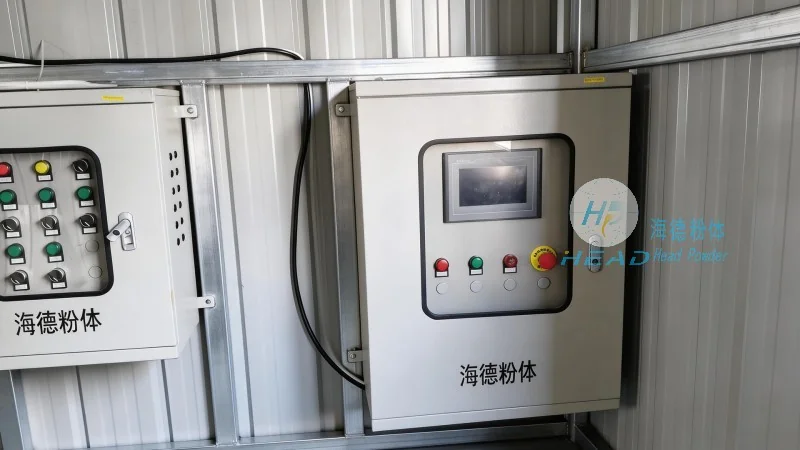
Titanium dioxide is widely used in industries such as pigments, coatings, plastics, and paper due to its high whiteness and opacity. Efficient and reliable material transport is essential to maintain product quality and operational efficiency. Pneumatic conveying systems offer a flexible and effective solution for transporting TiO₂ powder from storage silos to processing units. These systems use air or gas as the conveying medium to move the material through pipelines. The choice between positive pressure and negative pressure systems depends on several factors, including material properties, system layout, and operational requirements.
Positive pressure conveying systems operate by blowing air or gas into the conveying line, creating a pressure higher than the ambient air pressure. This method is commonly used for short to medium-distance conveying of fine powders like titanium dioxide. The system typically includes a blower, a hopper with a feeder, and a discharge point. The positive pressure system ensures that the material is continuously pushed through the pipeline, reducing the risk of blockages and ensuring consistent flow rates. One of the key advantages of positive pressure systems is their ability to handle abrasive and corrosive materials without significant wear on the equipment. The high-pressure air also helps in maintaining the material's integrity, preventing agglomeration and ensuring a uniform flow.
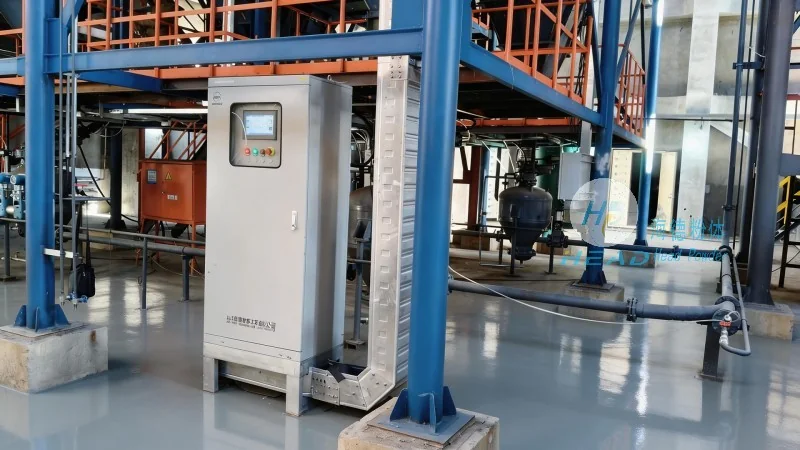
Negative pressure conveying systems, also known as vacuum systems, operate by creating a vacuum in the conveying line, drawing the material from the source and pulling it through the pipeline. This method is suitable for longer distances and for handling materials that are prone to dust emissions. The system consists of a vacuum pump, a hopper with a feeder, and a discharge point. The negative pressure system is particularly effective for applications where the material needs to be transported from multiple sources or where the discharge point is at a lower elevation than the source. A significant advantage of negative pressure systems is their ability to handle materials with higher moisture content or those that are more sensitive to air exposure. The vacuum environment helps in maintaining the material's quality and reduces the risk of dust contamination in the surrounding environment.
When comparing positive and negative pressure conveying systems for titanium dioxide, several factors need to be considered. The choice of system depends on the specific application requirements, including the distance between the source and discharge point, the material's properties (such as particle size, moisture content, and abrasiveness), and the environmental regulations. Positive pressure systems are generally more suitable for short to medium-distance conveying, where the material is relatively dry and non-abrasive. They offer higher conveying velocities and can handle larger quantities of material. Negative pressure systems, on the other hand, are ideal for longer distances and for handling materials that are more sensitive to air exposure or have higher moisture content. They provide better dust control and are more suitable for applications where the discharge point is at a lower level.
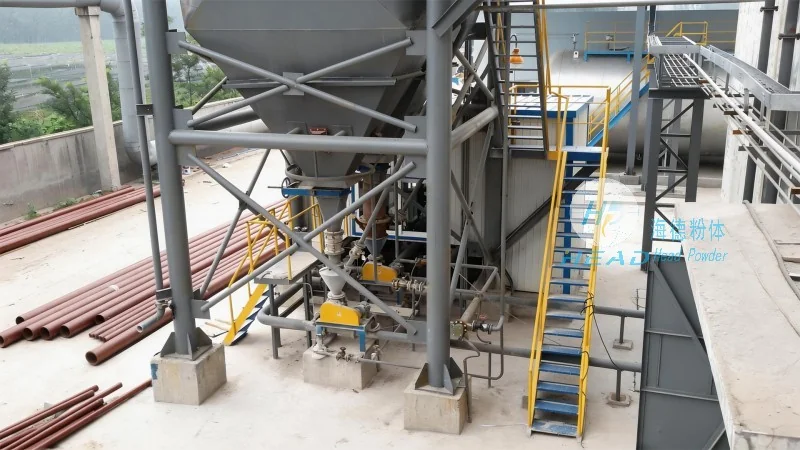
When designing a pneumatic conveying system for titanium dioxide, several technical considerations are crucial. The material's particle size distribution, bulk density, and flowability are critical factors that affect the system's performance. The system must be designed to handle the material's potential for agglomeration and to prevent blockages in the pipeline. The choice of pipeline material, such as stainless steel or plastic, is also important to prevent corrosion and ensure the material's purity. The system's control and monitoring features, including pressure sensors and flow meters, are essential for maintaining optimal operation and preventing equipment damage. Additionally, the system must comply with local environmental regulations regarding dust emissions and noise levels.
Both positive pressure and negative pressure conveying systems offer effective solutions for transporting titanium dioxide. The selection of the appropriate system depends on the specific operational requirements and the material's characteristics. Positive pressure systems are preferred for short to medium-distance conveying of dry, non-abrasive materials, while negative pressure systems are suitable for longer distances and for handling more sensitive materials. By carefully evaluating the technical features and operational advantages of each system, clients can choose the most suitable pneumatic conveying solution for their titanium dioxide handling needs. HeadPowder, with its expertise in material handling systems, provides customized solutions that meet the specific requirements of each client, ensuring efficient and reliable material transport while maintaining product quality.

 Shandong Headpowder Engineering Co., Ltd.
 156-6277-7102(Manager Zhang)
  0531-83386006
  Zhangqiu District, Jinan City, Shandong Province, China
telephone
WeChatconsult
top