With more than 10‑year industry experience, Shandong Headpowder delivers full‑service pneumatic‑conveying systems and blowers, undertaking nationwide turn‑key powder‑handling projects.
HeadPowder Engineering, a leading provider in the field of material handling solutions, specializes in advanced pneumatic conveying technologies for lithium carbonate. This article provides a detailed analysis of the two primary modes of pneumatic conveying—positive pressure and negative pressure systems—highlighting their operational principles, advantages, and practical applications in the lithium carbonate industry.
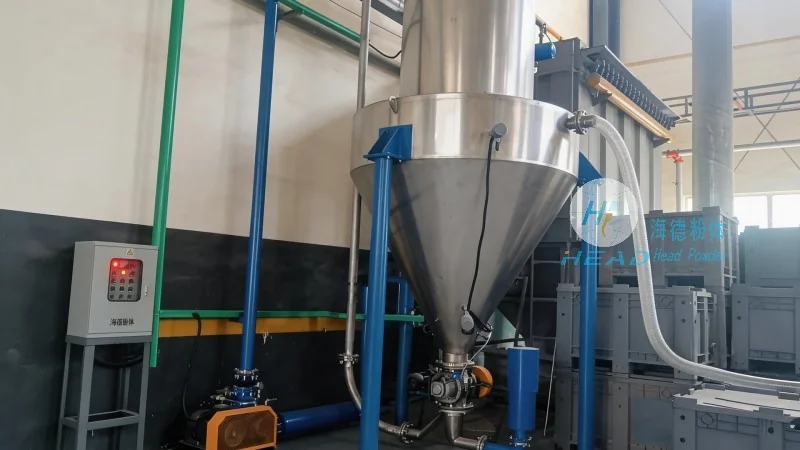
Lithium carbonate is a critical raw material in the production of lithium-ion batteries, and efficient material transport is essential for maintaining production efficiency and product quality. Pneumatic conveying systems offer a dust-free, enclosed method for transporting bulk materials like lithium carbonate, which is particularly important given the material's sensitivity to moisture and contamination. The choice between positive and negative pressure systems depends on various factors, including the material's properties, the distance and layout of the conveying system, and the specific requirements of the processing plant.
Positive pressure systems, also known as pressure or blow-through systems, operate by forcing air or a carrier gas through the conveying line under pressure. The material is introduced into the system at the inlet, where it is mixed with the pressurized air stream and propelled forward. This mode is particularly effective for conveying materials over long distances or through complex layouts, as the high pressure ensures consistent material flow and reduces the risk of blockages.
Key advantages of positive pressure systems include high conveying capacity, the ability to handle abrasive or corrosive materials, and the option to use a variety of gas types (e.g., air, nitrogen, or inert gases) to control material properties. However, these systems require robust equipment to withstand high pressures and may be more complex to install and maintain compared to negative pressure systems.
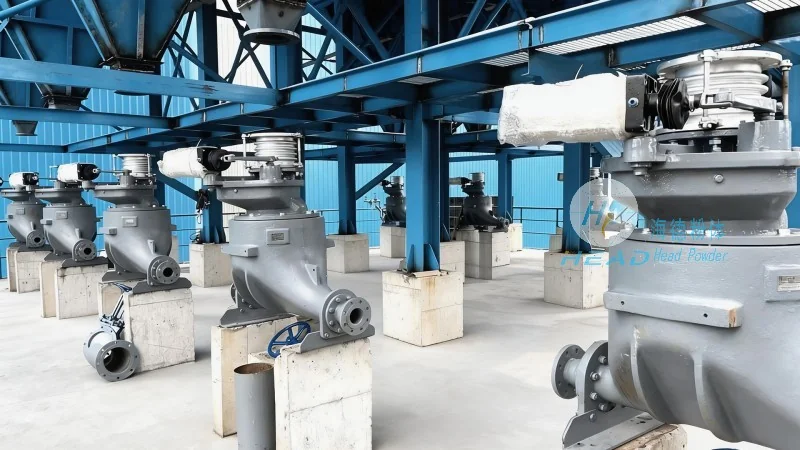
Negative pressure systems, or vacuum systems, operate by creating a vacuum at the inlet, which draws the material into the conveying line along with the air stream. The material is then transported to the outlet, where the pressure is restored. This mode is often preferred for applications requiring a dust-free environment at the inlet, as the vacuum prevents material from escaping into the surrounding area.
Advantages of negative pressure systems include lower equipment costs, simpler installation, and reduced noise levels compared to positive pressure systems. They are particularly suitable for short to medium conveying distances and for materials that are less abrasive or do not require high pressure. However, negative pressure systems may have lower conveying capacities and are more susceptible to blockages if the material is too fine or contains high moisture content.
When selecting a pneumatic conveying system for lithium carbonate, it is essential to compare the characteristics of positive and negative pressure modes. Positive pressure systems excel in long-distance and high-capacity applications, offering reliable performance even with challenging material properties. In contrast, negative pressure systems are more economical and suitable for shorter distances or applications where dust containment is a priority at the inlet.
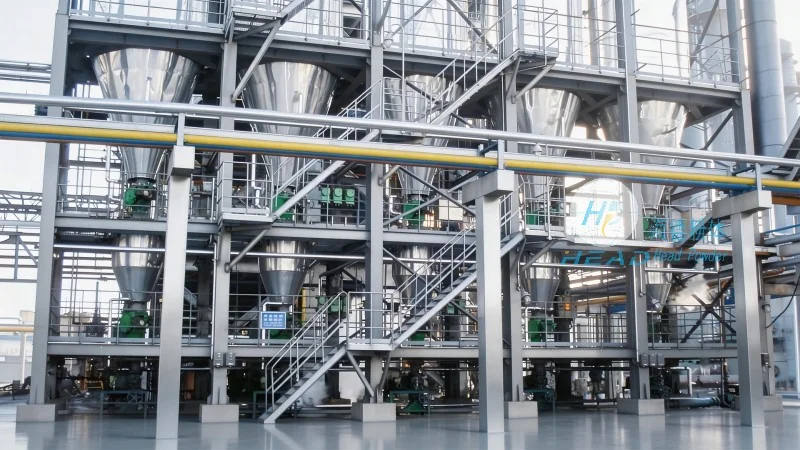
The choice between the two modes should be based on a thorough evaluation of the specific project requirements, including the conveying distance, material characteristics, and environmental considerations. For instance, a plant with a long conveying line and high material throughput may benefit from a positive pressure system, while a facility with a shorter line and a focus on dust control may opt for a negative pressure system.
Shandong HeadPowder Engineering Co., Ltd. leverages decades of experience in designing and implementing advanced pneumatic conveying solutions for the lithium carbonate industry. The company's engineers work closely with clients to assess their specific needs, from material properties and processing requirements to site layout and operational constraints. By combining technical expertise with innovative design, HeadPowder provides customized solutions that optimize material transport efficiency, minimize downtime, and ensure compliance with industry standards.
Our team of specialists is well-versed in both positive and negative pressure systems, enabling us to recommend the most suitable technology for each application. Whether a client requires a new system installation or an upgrade to an existing one, HeadPowder offers comprehensive services, including system design, equipment supply, installation, and maintenance. The company's commitment to quality and customer satisfaction has made it a trusted partner for many lithium carbonate producers worldwide.

 Shandong Headpowder Engineering Co., Ltd.
 156-6277-7102(Manager Zhang)
  0531-83386006
  Zhangqiu District, Jinan City, Shandong Province, China
telephone
WeChatconsult
top