With more than 10‑year industry experience, Shandong Headpowder delivers full‑service pneumatic‑conveying systems and blowers, undertaking nationwide turn‑key powder‑handling projects.
Organic fertilizer, with its high moisture content and variable particle size, presents unique challenges when transported via pneumatic conveying systems. Blockages in the pipeline can lead to system downtime, increased maintenance costs, and reduced productivity. Understanding and implementing key design parameters is crucial for ensuring smooth operation and preventing blockages.
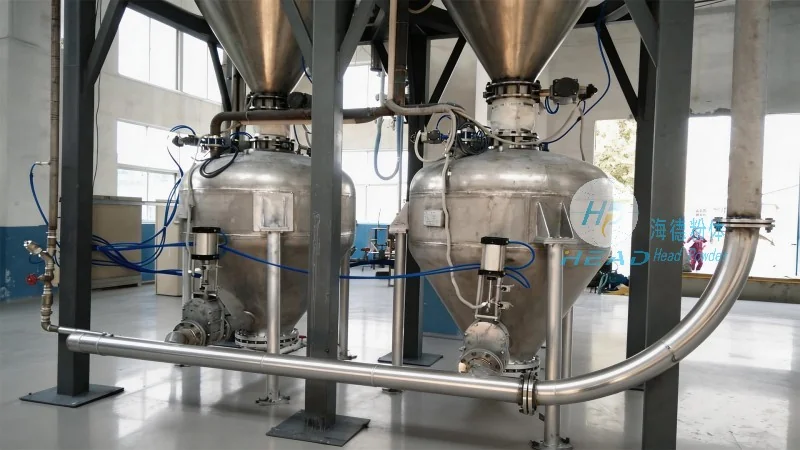
Several critical design parameters must be considered when designing a pneumatic conveying system for organic fertilizer. The first is the selection of the appropriate conveying velocity. The velocity must be high enough to prevent particles from settling but not so high as to cause excessive wear on the system components. Typically, a conveying velocity of 20-30 meters per second is recommended for organic fertilizers to maintain a dilute phase flow, which minimizes the risk of blockages.
Another essential parameter is the pipe diameter. A larger pipe diameter reduces the friction losses and the likelihood of particle accumulation, thereby lowering the risk of blockages. However, the pipe diameter must be balanced with the system's capacity and the available space. For organic fertilizer transport, a pipe diameter of at least 100mm is generally recommended to accommodate the larger particles and prevent clogging.
The material of the pipe and components also plays a significant role. Organic fertilizers can be corrosive due to their acidic or alkaline nature. Therefore, using materials such as stainless steel or high-grade plastic that are resistant to corrosion and abrasion is vital. This not only prevents blockages caused by material degradation but also extends the system's lifespan.
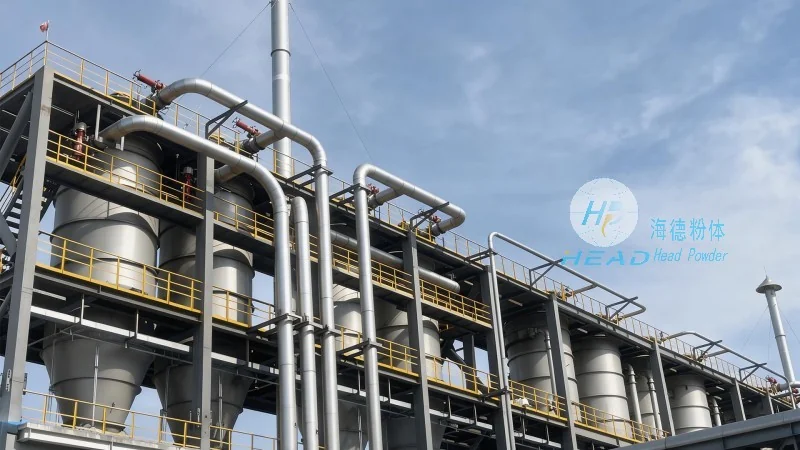
Additionally, the system's pressure and flow rate must be optimized. Excessive pressure can lead to the formation of air bubbles that may cause blockages, while insufficient pressure may result in particle settling. The flow rate should be adjusted based on the fertilizer's characteristics, such as moisture content and particle size distribution. Properly calibrated pressure and flow controls ensure consistent and reliable operation.
The design of the hopper and feeder is also critical. A well-designed hopper with a smooth interior surface and an appropriate hopper angle helps in preventing material bridging and rat-holing, which are common causes of blockages. The feeder should be capable of providing a consistent flow rate, avoiding surges that can lead to uneven particle distribution and potential blockages.
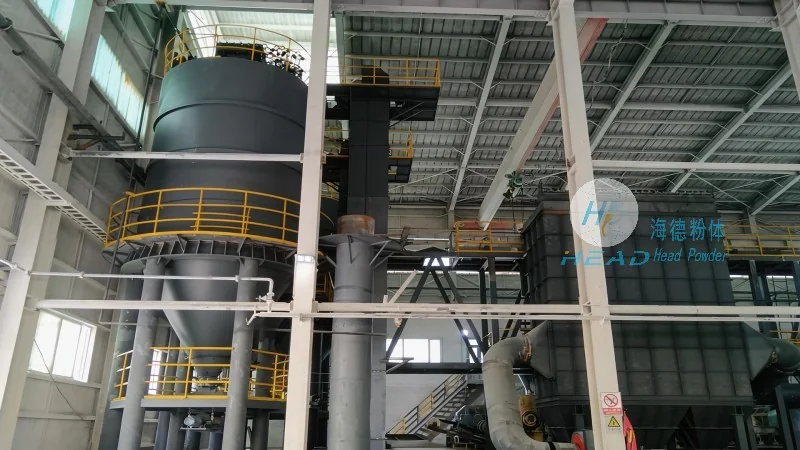
Shandong HeadPowder Engineering Co., Ltd. specializes in providing customized pneumatic conveying solutions tailored to the unique needs of organic fertilizer producers. With years of experience in the industry, HeadPowder engineers work closely with clients to assess their specific requirements, including the type of organic fertilizer, production capacity, and operational environment. This collaborative approach ensures that the final system design incorporates all key parameters to prevent blockages and optimize performance.
HeadPowder's solutions include a range of components such as rotary valves, airlocks, and filters, all designed to withstand the challenges posed by organic fertilizers. The company's expertise in material handling and pneumatic conveying systems allows them to recommend the most suitable equipment for each application, ensuring long-term reliability and minimal downtime.
Furthermore, HeadPowder offers comprehensive support services, including system installation, commissioning, and maintenance. This ensures that the system operates at peak efficiency and that any potential issues are addressed promptly. By partnering with HeadPowder, organic fertilizer manufacturers can enhance their production processes, reduce costs, and improve overall operational reliability.

 Shandong Headpowder Engineering Co., Ltd.
 156-6277-7102(Manager Zhang)
  0531-83386006
  Zhangqiu District, Jinan City, Shandong Province, China
telephone
WeChatconsult
top