

What is a Lysine Material Pneumatic Conveying System? And What Are Its Design Principles?
HeadPowder, a leading manufacturer in the field of material handling solutions, specializes in the design and production of pneumatic conveying systems tailored for various industrial applications. This article focuses on the Lysine material pneumatic conveying system, exploring its functionality, key components, and the underlying design principles that ensure efficient and reliable operation.
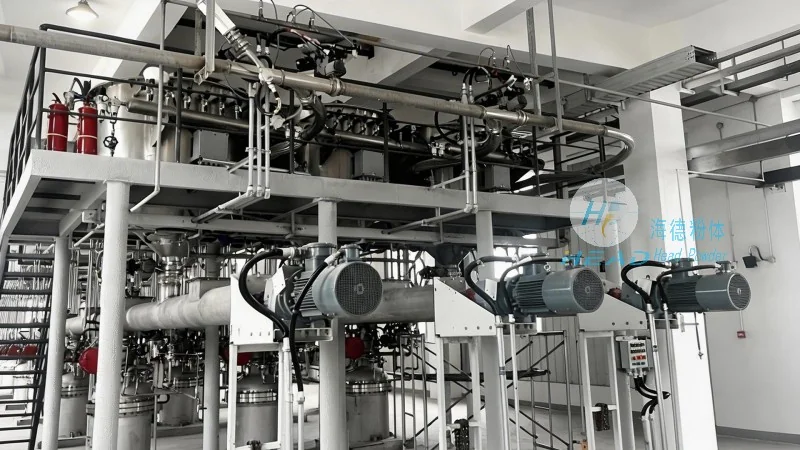
Introduction to Lysine Material Pneumatic Conveying Systems
Lysine is an essential amino acid widely used in the production of animal feed and as a nutritional supplement in the food and pharmaceutical industries. The efficient handling of Lysine powder requires specialized equipment to maintain product quality, prevent contamination, and ensure safe and effective transport. A pneumatic conveying system offers a solution by using air pressure to move the material through a pipeline network, eliminating the need for mechanical components like belts or buckets that could introduce friction and degrade the product.
Key Components of a Lysine Pneumatic Conveying System
The Lysine material pneumatic conveying system typically consists of several critical components that work in tandem to achieve seamless material transport. These include the material feed hopper, which stores and meters the Lysine powder; the air compressor or blower, which generates the necessary air pressure; the conveying line, which is usually made of stainless steel to prevent corrosion and contamination; and the control system, which regulates the flow of both material and air to maintain optimal performance.
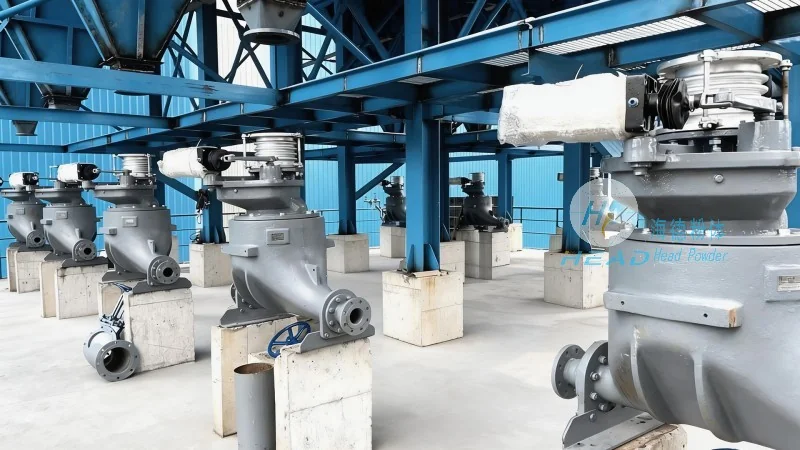
Design Principles for Efficient Lysine Material Transport
The design of a Lysine pneumatic conveying system is guided by several key principles aimed at maximizing efficiency, minimizing product degradation, and ensuring operational safety. One of the primary principles is the selection of appropriate air velocity and pressure to achieve the desired conveying rate without causing excessive particle breakage or degradation. The system must also be designed to handle the specific properties of Lysine powder, such as its particle size, moisture content, and flowability, to prevent blockages and ensure consistent performance.
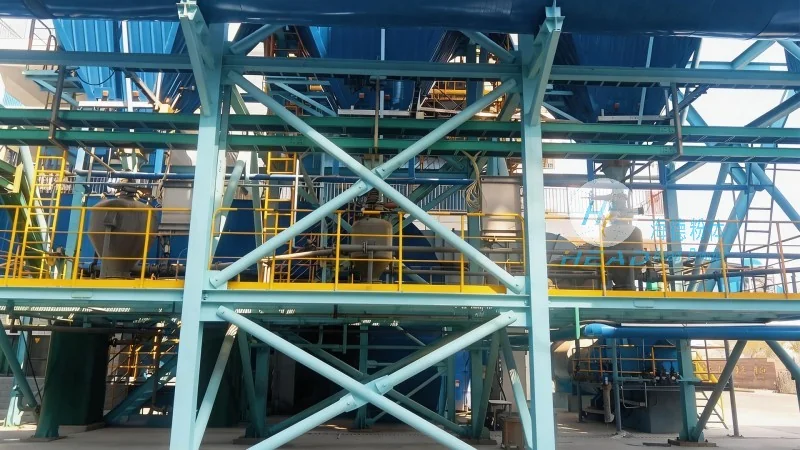
Advantages of Using a Pneumatic Conveying System for Lysine
Implementing a pneumatic conveying system for Lysine material offers numerous advantages over traditional mechanical conveying methods. These include improved product hygiene, as the material is contained within a sealed system, reducing the risk of contamination from external sources. Additionally, the system provides better control over the conveying process, allowing for precise regulation of flow rates and pressure, which is crucial for maintaining product quality and preventing over-processing. The absence of moving parts in the conveying line also reduces maintenance requirements and extends the system's operational lifespan.
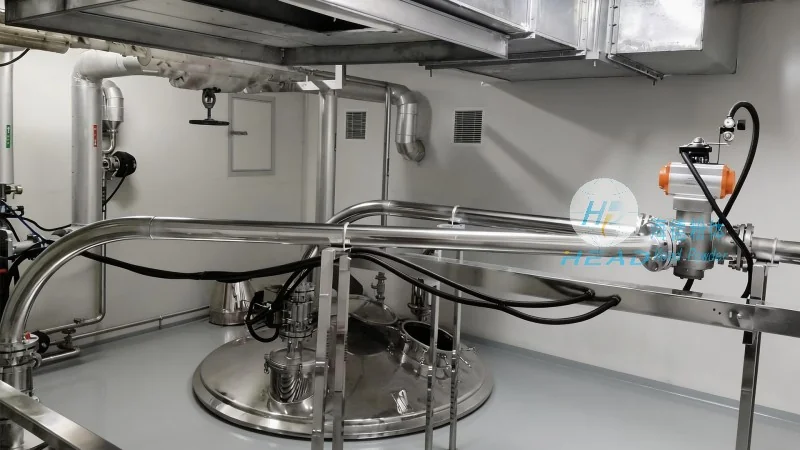
Customization and Scalability of Lysine Pneumatic Conveying Systems
HeadPowder understands that each industrial application has unique requirements, and therefore, offers customized Lysine pneumatic conveying systems tailored to specific production needs. These systems can be scaled to accommodate varying production volumes, from small-scale laboratory applications to large-scale industrial operations. The company's engineering team works closely with clients to assess their material handling needs, design a system that meets their specifications, and ensure that the final solution is both efficient and cost-effective.
Conclusion
In conclusion, a Lysine material pneumatic conveying system is a sophisticated and effective solution for the efficient transport of this critical amino acid. By adhering to the fundamental design principles of air pressure, material containment, and precise control, these systems ensure high-quality product handling, operational reliability, and cost savings. As a leading provider of material handling solutions, HeadPowder continues to innovate and provide tailored systems that meet the evolving needs of the Lysine and related industries.