With more than 10‑year industry experience, Shandong Headpowder delivers full‑service pneumatic‑conveying systems and blowers, undertaking nationwide turn‑key powder‑handling projects.
When handling metal silicon, the choice of conveying system is critical to ensure efficient and reliable material transport. Pneumatic conveying systems offer a non-contact method that can significantly reduce wear and tear on the material while maintaining a clean and controlled environment. However, one of the primary challenges in such systems is the risk of pipeline blockages, which can halt production and lead to costly downtime. Understanding how to prevent these blockages and the key design parameters that influence system performance is essential for optimizing metal silicon handling operations.
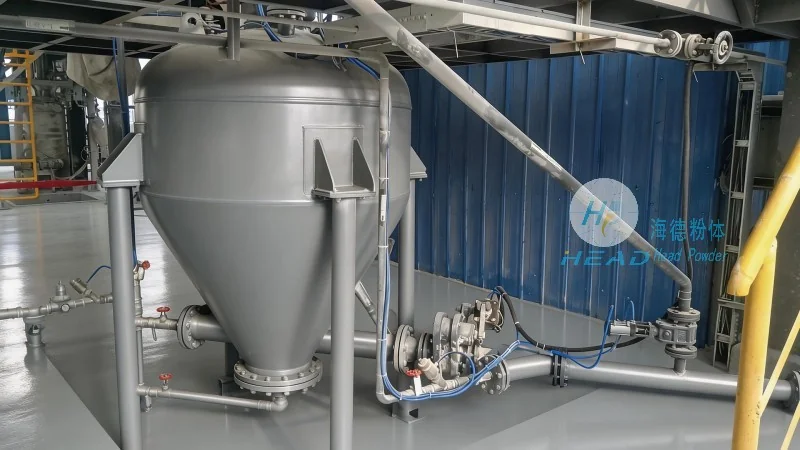
For metal silicon, which often has a fine, powdery or granular structure, the risk of agglomeration and caking is high. When these particles stick together or adhere to the inner walls of the pipeline, blockages can form. These blockages not only disrupt the flow but also increase pressure differentials, potentially damaging the system components. Therefore, effective prevention strategies are vital to maintain consistent throughput and system longevity.
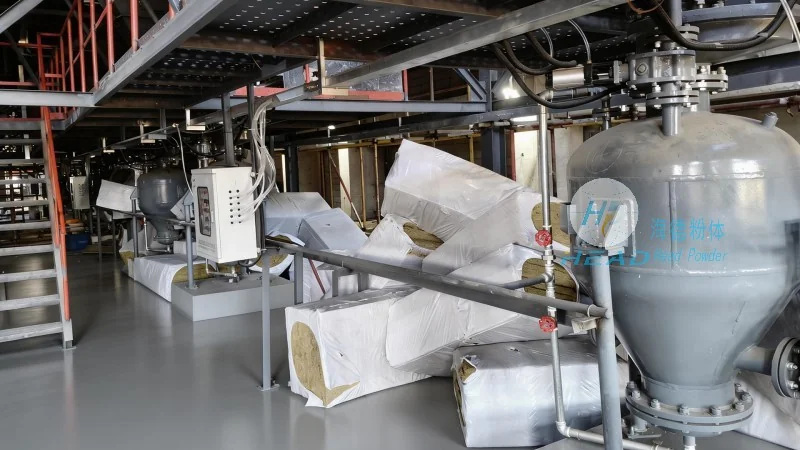
Several critical design parameters must be considered when designing a pneumatic conveying system for metal silicon to minimize the risk of blockages. These parameters include:
Shandong HeadPowder Engineering Co., Ltd., a leading provider of pneumatic conveying solutions, specializes in designing and implementing systems tailored to the unique challenges of metal silicon handling. With years of experience in the industry, HeadPowder engineers work closely with clients to assess their specific material properties, operational requirements, and site conditions to develop customized solutions that minimize blockage risks and enhance system performance.
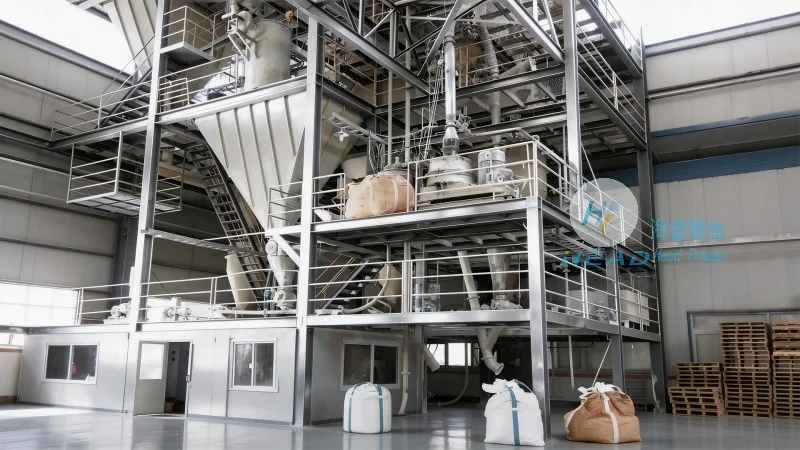
Our approach involves thorough analysis of particle characteristics, system layout, and operational parameters to ensure that the chosen design parameters align with the goal of preventing pipeline blockages. By leveraging advanced engineering principles and industry best practices, HeadPowder delivers systems that are not only efficient but also reliable and durable, helping clients maintain consistent production and reduce maintenance costs.

 Shandong Headpowder Engineering Co., Ltd.
 156-6277-7102(Manager Zhang)
  0531-83386006
  Zhangqiu District, Jinan City, Shandong Province, China
telephone
WeChatconsult
top