

What is a Carbonaceous Granular Material Pneumatic Conveying System? And What Are Its Design Princip
Carbonaceous granular material pneumatic conveying systems are specialized industrial equipment designed to transport bulk materials like carbon-based powders and granules through a pipeline using air or other gas as the conveying medium. These systems are widely used in industries such as carbon manufacturing, chemical processing, and material handling due to their efficiency and ability to handle delicate or abrasive materials without damage.
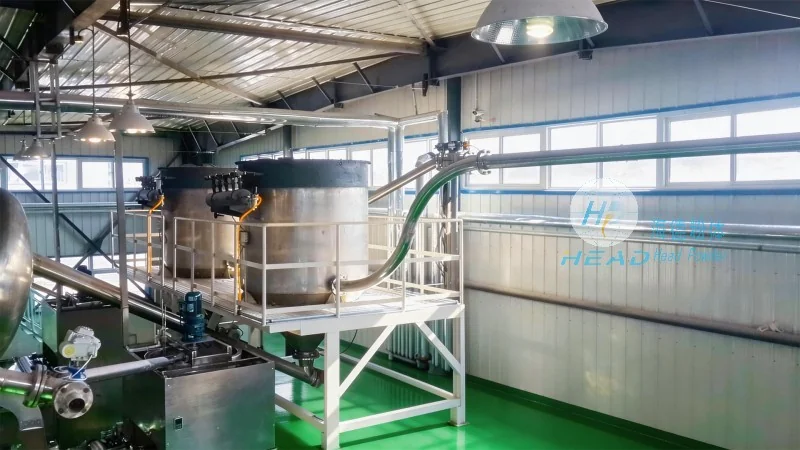
Introduction to Carbonaceous Granular Material Pneumatic Conveying Systems
HeadPowder, a leading provider of engineering solutions in Shandong, China, specializes in the design, manufacturing, and installation of advanced pneumatic conveying systems for carbonaceous granular materials. Our systems are engineered to meet the unique challenges of transporting materials like carbon black, graphite, and other carbon-based powders, ensuring high efficiency, minimal product degradation, and reliable operation.
Key Components of a Pneumatic Conveying System
At the core of a carbonaceous granular material pneumatic conveying system are several critical components that work in tandem to achieve effective material transport. The main components include the material feed hopper, the air or gas source (typically a blower or compressor), the conveying pipeline, and the discharge unit. Each component plays a vital role in the overall system performance.
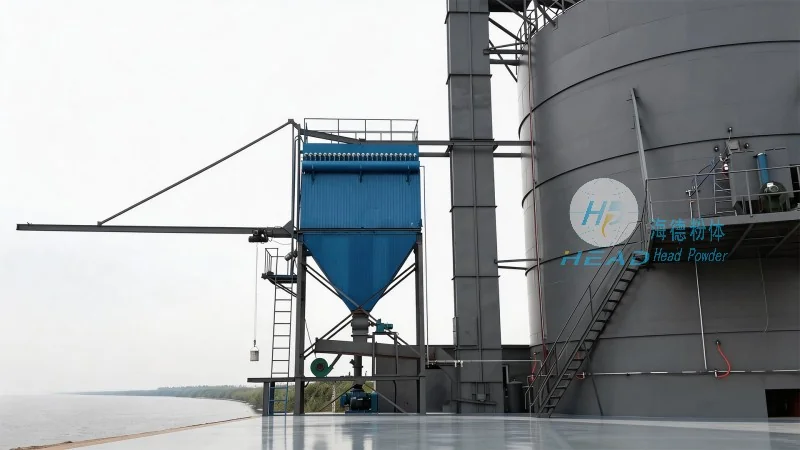
Material Feed Hopper
The material feed hopper is the initial component where the carbonaceous granular material is loaded. It is designed to store and feed the material into the system at a controlled rate. The hopper often includes a feeder mechanism, such as a rotary valve or a screw feeder, which regulates the flow of material into the pipeline. This ensures a consistent and steady supply of material, preventing blockages and maintaining system efficiency.
Air or Gas Source
The air or gas source provides the necessary pressure and flow to move the material through the pipeline. In pneumatic conveying systems, two main types of air sources are used: positive pressure systems and negative pressure (or vacuum) systems. Positive pressure systems use a blower to force air into the pipeline, while negative pressure systems use a vacuum pump to draw material into the pipeline. For carbonaceous granular materials, positive pressure systems are often preferred as they can handle higher material loads and are more effective in preventing material degradation.
Conveying Pipeline
The conveying pipeline is the main channel through which the carbonaceous material and air travel. It is typically made of stainless steel or other corrosion-resistant materials to withstand the abrasive nature of carbon-based powders. The pipeline design, including the diameter and length, is crucial for system performance. Proper pipeline sizing ensures that the material can be conveyed at the desired velocity without excessive pressure drop or material degradation. The pipeline may also include bends, elbows, and other fittings that are designed to minimize pressure loss and maintain the material's integrity.
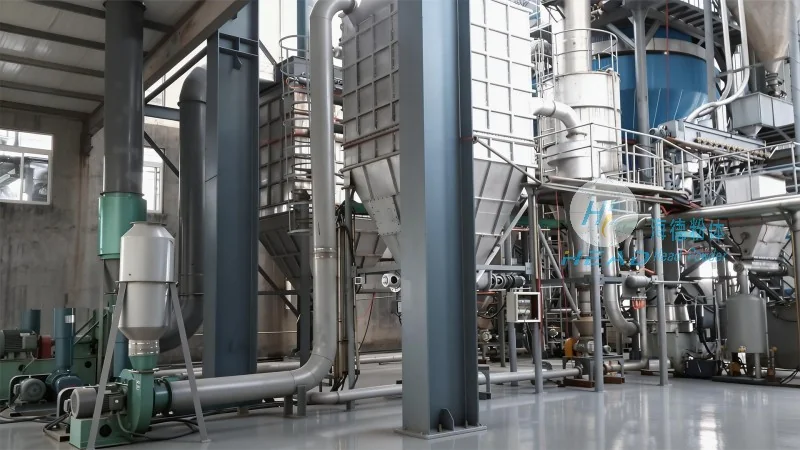
Discharge Unit
The discharge unit is the final component where the material is released from the system. It can be a simple valve or a more complex system, depending on the application. The discharge unit is designed to handle the material's characteristics, such as its flowability and potential for caking, to ensure a smooth and controlled release. In some cases, the discharge unit may include a dust collection system to prevent material loss and maintain environmental compliance.
Design Principles for Carbonaceous Granular Material Pneumatic Conveying
The design of a carbonaceous granular material pneumatic conveying system follows several key principles to ensure optimal performance and reliability. These principles include material characteristics analysis, system pressure and velocity considerations, and system configuration optimization.
Material Characteristics Analysis
Before designing a pneumatic conveying system, it is essential to analyze the properties of the carbonaceous granular material. Key characteristics include particle size distribution, density, flowability, and abrasiveness. These properties determine the appropriate conveying method (e.g., dilute phase or dense phase) and the required system parameters. For example, fine carbon powders may require a dilute phase system with higher air velocities to prevent clogging, while larger granules may be better suited for a dense phase system with lower velocities.
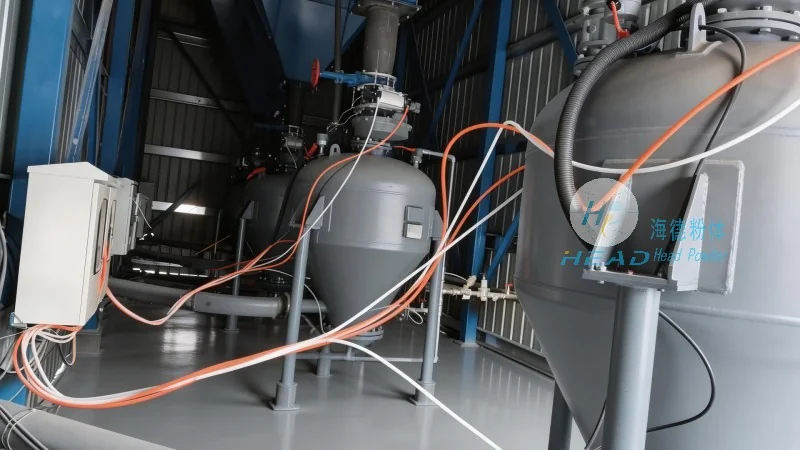
System Pressure and Velocity Considerations
System pressure and velocity are critical parameters in pneumatic conveying. The pressure is determined by the required flow rate and the pipeline length, while the velocity is chosen based on the material's characteristics and the system design. High velocities can increase the risk of material degradation and pressure drop, while low velocities may lead to clogging. The optimal velocity for carbonaceous granular materials is typically between 20-30 meters per second for dilute phase systems and 5-10 meters per second for dense phase systems. The pressure drop across the system is also a key consideration, as it affects the energy consumption and overall system efficiency.
System Configuration Optimization
The configuration of the pneumatic conveying system, including the number of pipelines, the placement of components, and the overall layout, is optimized to minimize pressure loss and maximize material transport efficiency. This includes selecting the appropriate pipeline diameter, the number of bends and fittings, and the location of the feed and discharge points. The system design also considers factors such as space constraints, material handling requirements, and environmental regulations. By optimizing the system configuration, HeadPowder ensures that the carbonaceous granular material is transported efficiently and reliably, with minimal energy consumption and product loss.