

What is a Tea Material Pneumatic Conveying Line? And What Are Its Design Principles?
Tea processing encompasses multiple stages, from leaf collection to final packaging, and efficient material handling is essential for preserving product quality and optimizing operational efficiency. A tea material pneumatic conveying line is a specialized system engineered to transport loose tea leaves, tea powders, or other tea-related materials through a network of pipes using air pressure. This technology delivers a hygienic, dust-free, and flexible solution for moving tea materials within a processing facility.
Understanding the Core Function of Tea Material Pneumatic Conveying Lines
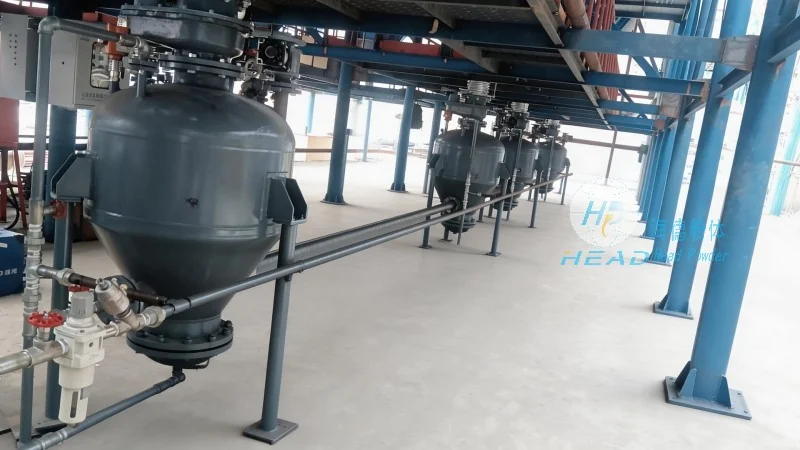
The primary purpose of a tea material pneumatic conveying line is to move tea products from one processing stage to another without direct human contact or exposure to contaminants. Unlike traditional mechanical conveyors, which may cause friction or damage to delicate tea leaves, pneumatic systems utilize air to gently lift and transport materials. This method preserves the aroma, flavor, and quality of the tea, making it ideal for high-value tea products. The system typically includes a hopper for material storage, a blower or compressor to generate air pressure, and a series of pipes with inlets and outlets to direct the flow of tea materials. Filters and cyclones are often integrated to separate the tea from the air, ensuring that only the product reaches the next stage of processing.
Key Components and Their Roles in the Design
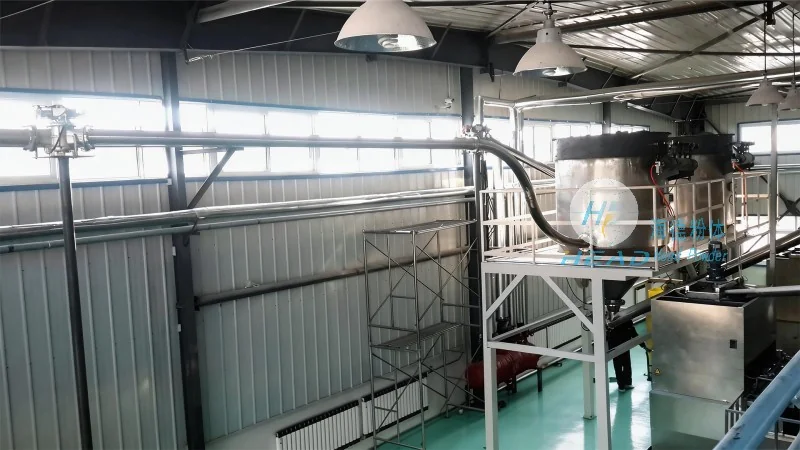
Several critical components make up a tea material pneumatic conveying line, each playing a vital role in the overall system's performance. The first component is the material hopper, which holds the tea leaves or powder before transport. The hopper is designed with a wide opening to allow easy loading and a smooth interior to prevent material buildup or blockages. Next, the air supply unit—usually a blower or compressor—provides the necessary pressure to move the tea through the pipes. The pressure level is carefully controlled to ensure efficient transport without damaging the tea particles. The piping system is a network of stainless steel or food-grade plastic pipes, connected with fittings and valves that allow for direction changes and flow regulation. Inlets and outlets are strategically placed to guide the tea from the hopper to processing equipment like sifters, mixers, or packaging machines. Additionally, filters and cyclones are essential for maintaining air quality and preventing dust accumulation. These components work together to create a closed-loop system that minimizes environmental impact and ensures consistent product quality.
Design Principles for Optimal Performance
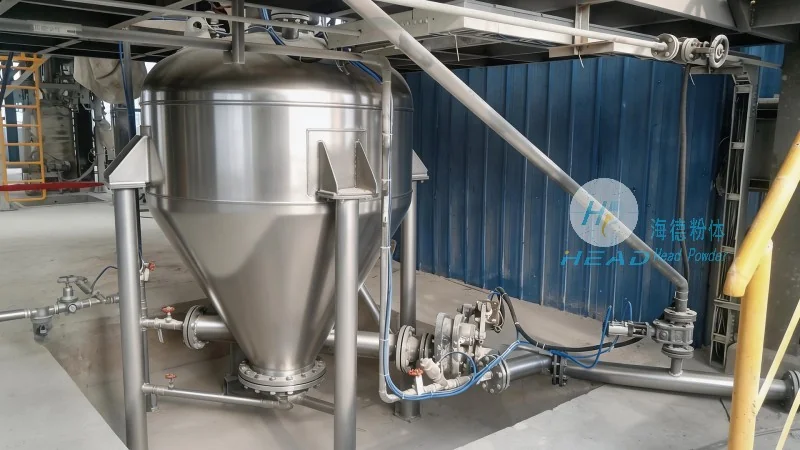
The design of a tea material pneumatic conveying line is based on several key principles to ensure efficiency, reliability, and safety. One of the most important principles is the use of appropriate air velocity. The air speed must be high enough to lift the tea particles but low enough to prevent excessive wear on the pipes or damage to the product. Engineers calculate the required air velocity based on the size and density of the tea particles, ensuring that the system operates within optimal parameters. Another critical principle is the system's pressure and flow rate. The pressure must be sufficient to overcome friction in the pipes and any elevation changes, while the flow rate must match the processing capacity of the facility. This balance is achieved through careful selection of the blower or compressor and the sizing of the pipes. The design also considers the need for flexibility and adaptability. Modern systems often include adjustable valves and modular components that allow for easy expansion or reconfiguration as the tea processing facility grows or changes. This flexibility ensures that the system can accommodate new processing stages or increased production volumes without major overhauls.
Benefits of Implementing a Tea Material Pneumatic Conveying Line
Adopting a tea material pneumatic conveying line offers numerous benefits for tea processing operations. The most significant advantage is the improved product quality. By avoiding direct contact with mechanical parts or external contaminants, the system preserves the tea's natural characteristics, resulting in a better-tasting and more aromatic final product. Additionally, the hygienic design of the system reduces the risk of microbial contamination, which is crucial for meeting food safety regulations. The system also enhances operational efficiency by automating the material transport process, reducing labor costs and minimizing downtime. The flexible design allows for easy integration with existing processing equipment, making it a cost-effective solution for upgrading or expanding a tea processing facility. Furthermore, the closed-loop system reduces waste and energy consumption compared to traditional conveyors, contributing to a more sustainable operation.
Conclusion and Company Information
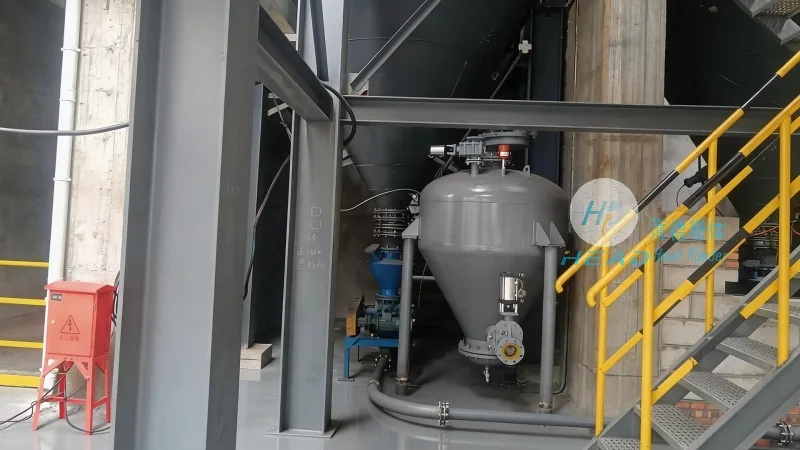
In conclusion, a tea material pneumatic conveying line is a sophisticated and efficient solution for transporting tea materials in a processing facility. Its design, based on principles of air pressure, particle handling, and system integration, ensures high-quality, hygienic, and reliable material transport. For businesses in the tea industry looking to enhance their processing capabilities, this technology offers a valuable investment. Shandong HeadPowder Engineering Co., Ltd., a leading manufacturer in the field, specializes in designing and supplying customized pneumatic conveying systems tailored to the specific needs of tea processing operations. With a focus on quality and innovation, HeadPowder provides solutions that improve efficiency, maintain product integrity, and support sustainable growth in the tea industry. Located in Shandong, China, the company leverages its expertise to deliver reliable and effective tea material handling systems to clients worldwide.