

What is a Phenolic Resin Material Pneumatic Conveying System? And What Are Its Design Principles?
Phenolic resin material pneumatic conveying systems are specialized industrial equipment designed to transport phenolic resin powders or granules through a pipeline using compressed air or other gas. These systems are widely used in the chemical, pharmaceutical, and manufacturing industries due to their efficiency and ability to handle abrasive or sticky materials like phenolic resins. The core function of such systems is to move bulk materials from a source to a destination without the need for mechanical components like belts or buckets, which can be prone to wear and maintenance issues.
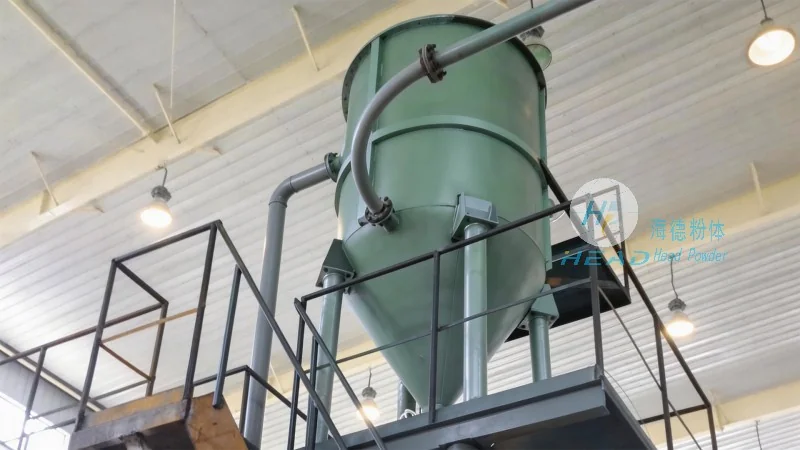
About Shandong HeadPowder Engineering Co., Ltd.
HeadPowder, a leading manufacturer based in Shandong, China, specializes in the design, manufacturing, and supply of advanced pneumatic conveying solutions. With years of experience in the industry, the company has developed a comprehensive range of systems tailored to meet the specific needs of clients handling phenolic resins and other challenging materials. The company's commitment to quality and innovation ensures that their products are reliable, efficient, and compliant with industry standards.
Design Principles of Phenolic Resin Pneumatic Conveying Systems
The design of a phenolic resin material pneumatic conveying system involves several key principles to ensure optimal performance and material handling. The first principle is the selection of the appropriate conveying method, which can be categorized into pressure or vacuum systems. Pressure systems use compressed air to push the material through the pipeline, while vacuum systems use suction to draw the material. For phenolic resins, which are often abrasive and have high density, pressure systems are commonly preferred as they provide better control and reduce material degradation.
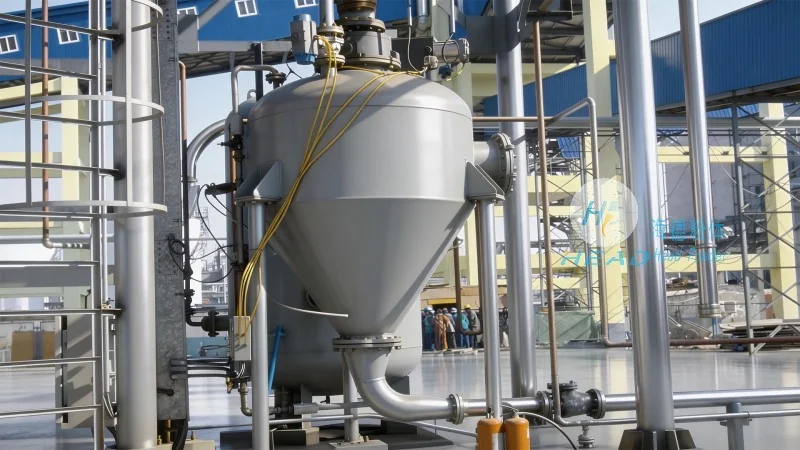
Another critical design principle is the selection of the right pipeline configuration. The pipeline diameter, length, and bends all affect the system's efficiency. Proper sizing of the pipeline ensures that the material flows smoothly without excessive pressure drop or blockages. The use of special materials for the pipeline, such as stainless steel or corrosion-resistant alloys, is essential to prevent wear and chemical reactions with the phenolic resin. Additionally, the system includes components like feeders, cyclones, and filters to control the flow and separate the material from the air.
Key Components of the Pneumatic Conveying System
A typical phenolic resin material pneumatic conveying system consists of several key components that work together to ensure efficient material transport. The main components include the material feeder, which is responsible for feeding the phenolic resin into the system at a controlled rate. The feeder can be a rotary valve, a star feeder, or a screw feeder, depending on the material's characteristics and the system's requirements. The feeder ensures that the material is introduced into the pipeline without creating excessive pressure or causing blockages.
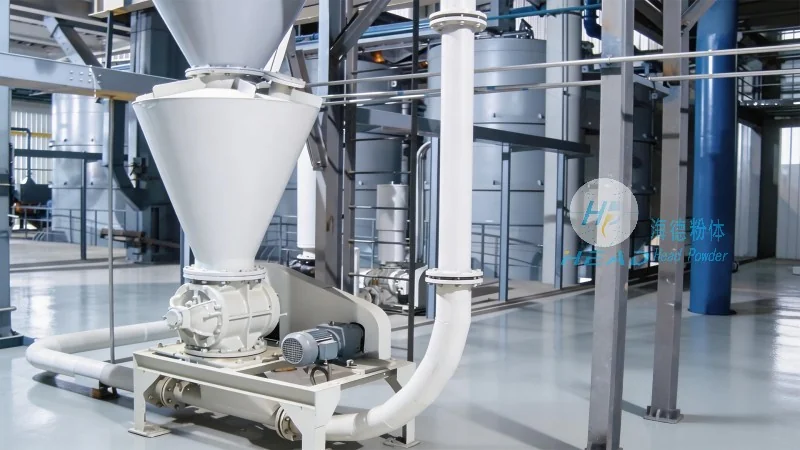
The pipeline itself is a crucial component, as it carries the material and air mixture from the source to the destination. The pipeline is usually made of stainless steel or other corrosion-resistant materials to withstand the abrasive nature of phenolic resins. The pipeline may include bends, elbows, and straight sections, which are designed to minimize pressure loss and prevent material deposition. The system also includes a compressor or blower that provides the necessary air pressure to move the material. The compressor is typically located at the start of the pipeline and is sized to handle the system's air requirements.
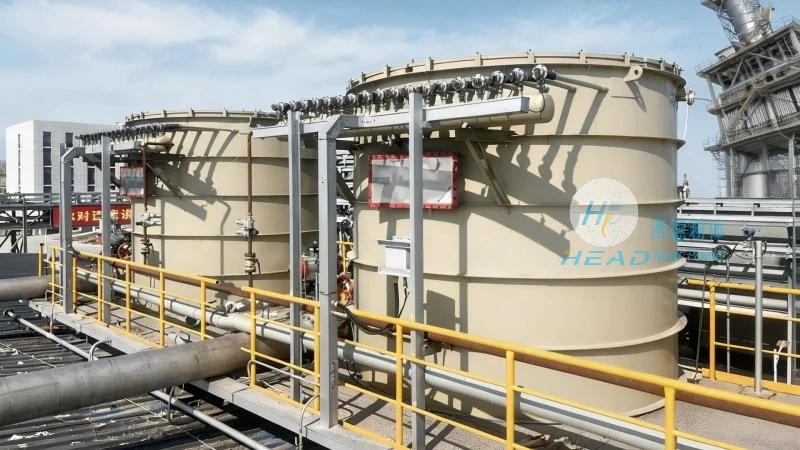
At the receiving end of the system, a cyclone separator or a filter is used to separate the phenolic resin from the air. The cyclone separator uses centrifugal force to separate the heavier material from the lighter air, while the filter traps any fine particles that may have escaped the cyclone. The separated material is then collected in a hopper or a storage tank, and the air is discharged to the atmosphere or recirculated back into the system. The system may also include a control panel that monitors the pressure, flow rate, and other parameters to ensure the system operates within safe and efficient limits.
Applications and Benefits
Phenolic resin material pneumatic conveying systems are used in a variety of applications where the handling of phenolic resins is required. These applications include the production of phenolic resins for use in adhesives, coatings, and composites. The systems are also used in the pharmaceutical industry for the transport of phenolic-based drugs or excipients. The benefits of using a pneumatic conveying system for phenolic resins include improved safety, as the material is contained within the pipeline, reducing the risk of dust exposure or spills. Additionally, the system is more efficient than traditional mechanical systems, as it can handle high volumes of material with minimal maintenance. The system also reduces the risk of material contamination, as the pipeline is sealed and the material is not exposed to the environment.
Why Choose HeadPowder for Your Phenolic Resin Pneumatic Conveying System
When selecting a pneumatic conveying system for phenolic resin handling, it is essential to choose a manufacturer with expertise and experience in the field. Shandong HeadPowder Engineering Co., Ltd. offers a range of high-quality systems designed specifically for phenolic resins. The company's engineers work closely with clients to understand their specific needs and design a system that meets their requirements. The systems are manufactured using high-quality materials and components, ensuring long-term reliability and performance. HeadPowder also provides after-sales support, including maintenance and repair services, to ensure that the system operates at optimal levels. With its commitment to quality and customer satisfaction, HeadPowder is a trusted partner for businesses looking to improve their phenolic resin handling processes.