

What is an Alumina Powder Material Pneumatic Conveying Line? What are its Design Principles?
Alumina powder material pneumatic conveying lines are advanced industrial systems engineered to transport fine powders like alumina efficiently and safely. These systems utilize air or gas as the medium to move the powder from one location to another, eliminating the need for traditional mechanical components such as belts or buckets. The technology has become increasingly vital in industries where handling fine powders is critical, offering advantages over conventional methods in terms of hygiene, speed, and operational flexibility.
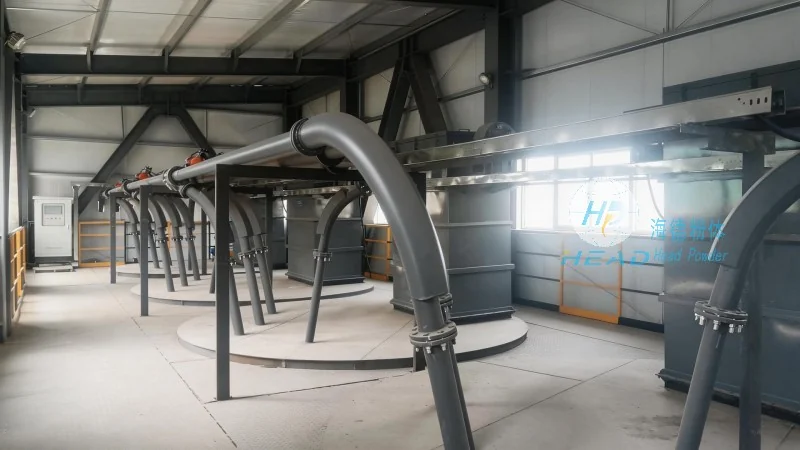
Understanding the Core Components and Design Principles of Alumina Powder Pneumatic Conveying Systems
The design of an alumina powder pneumatic conveying line is built upon several key components that work in concert to ensure reliable and efficient material transport. The primary components include the hopper or feeder, which holds the alumina powder and regulates its flow into the system; the conveying line itself, which can be either positive pressure or negative pressure (suction) depending on the application; and the receiver or destination vessel where the powder is deposited. Additionally, accessories such as filters, cyclones, and silencers are integrated to manage dust, maintain air quality, and reduce noise levels.
Positive pressure systems, where air is forced through the conveying line under pressure, are commonly used for long-distance or high-volume transport of alumina powder. These systems typically feature a blower or compressor that generates the necessary pressure to move the material. The design must account for factors like the powder's density, moisture content, and flowability, as these properties directly impact the system's performance and efficiency. Engineers must calculate the required air velocity and pressure to ensure the powder is entrained and transported without clogging or degradation.
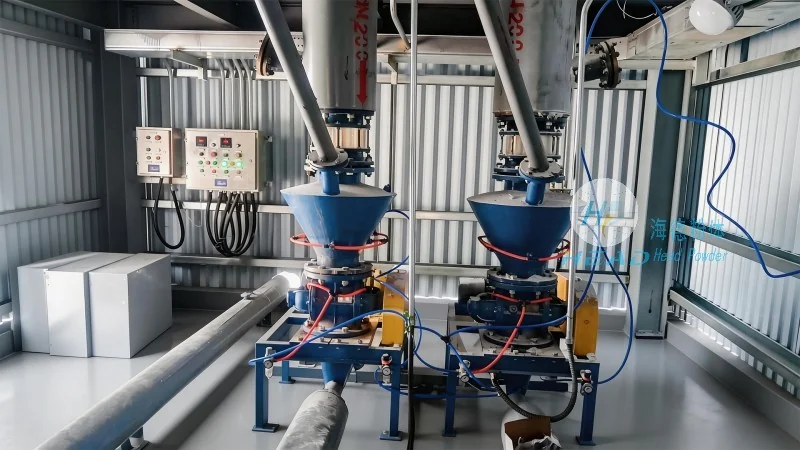
Negative pressure (suction) systems, on the other hand, draw the powder into the conveying line using a vacuum. This approach is often preferred for applications where the powder needs to be collected from multiple points or where the environment is sensitive to dust. The design of suction systems focuses on maintaining a consistent vacuum level and preventing backflow or material loss. Both system types require careful consideration of the alumina powder's characteristics, as variations in particle size, shape, and moisture can affect the conveying efficiency and equipment wear.
The Role of Material Properties in Optimizing Pneumatic Conveying Performance
For alumina powder, understanding its physical and chemical properties is essential for designing an effective pneumatic conveying system. Alumina, a fine white powder, has a high density and can be abrasive, which means the conveying equipment must be constructed from durable materials such as stainless steel or special alloys to withstand wear and corrosion. The powder's flowability, influenced by factors like moisture content and particle size distribution, also affects how easily it can be fed into the system. Poor flowability can lead to blockages or uneven transport, so engineers often incorporate agitators or vibrators in the hopper to improve material flow.
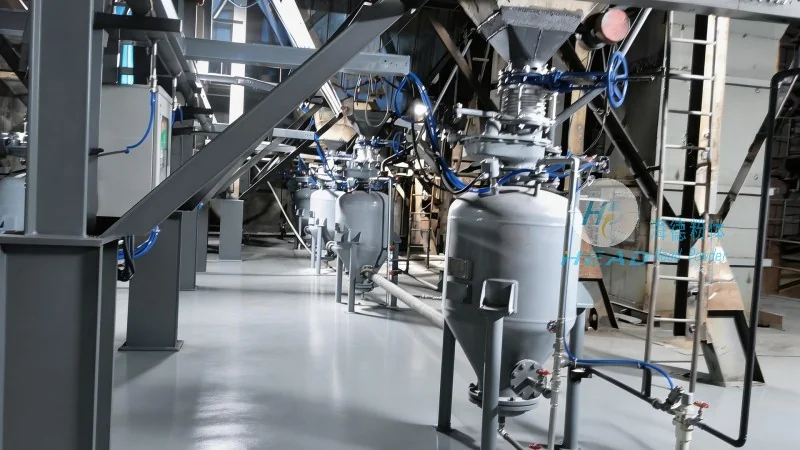
Moisture content is another critical factor, as excess moisture can cause the powder to clump or stick to surfaces, leading to system inefficiencies. Proper drying and moisture control are therefore integral to the design. Additionally, the powder's dustiness and potential for creating airborne particles necessitates the inclusion of filtration systems, such as cyclones or bag filters, to ensure compliance with environmental regulations and maintain workplace safety.
HeadPowder's Expertise in Designing Custom Alumina Powder Pneumatic Conveying Solutions
Shandong HeadPowder Engineering Co., Ltd., a leading provider of industrial material handling solutions, specializes in designing and manufacturing custom alumina powder pneumatic conveying lines tailored to the specific needs of clients. With years of experience in the field, HeadPowder's engineers work closely with customers to understand their operational requirements, material characteristics, and budget constraints, ensuring that the final system is optimized for performance and reliability.
HeadPowder's approach to design emphasizes the integration of advanced technology with practical application. The company utilizes state-of-the-art computational fluid dynamics (CFD) and simulation tools to model the behavior of alumina powder in the conveying system, allowing for precise calculations of air velocity, pressure drop, and equipment sizing. This data-driven approach minimizes trial-and-error and ensures that the system operates at peak efficiency from the outset.
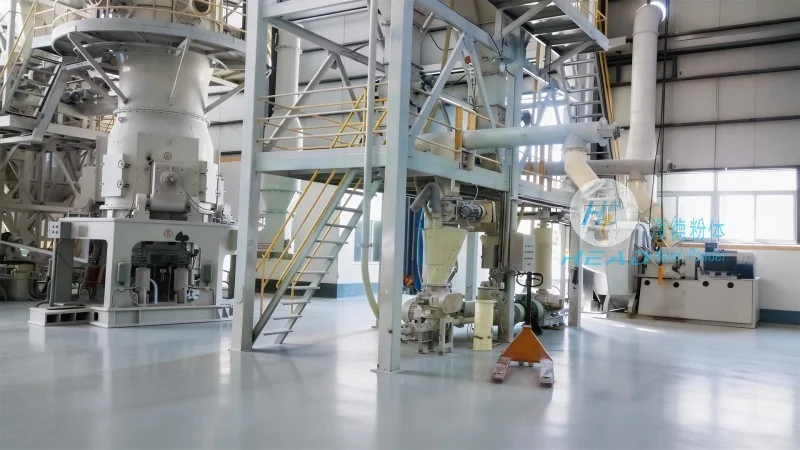
HeadPowder's custom solutions are built to meet the unique challenges of alumina powder handling, whether it involves long-distance transport, high-volume throughput, or integration with existing production lines. The company's commitment to quality is evident in its use of high-grade materials and rigorous testing protocols, ensuring that each system meets or exceeds industry standards for durability, safety, and performance.
HeadPowder's facilities are located in Shandong, China, where the company maintains a team of skilled engineers, technicians, and production staff dedicated to delivering top-tier pneumatic conveying systems. The company's focus on customer satisfaction and technical excellence has earned it a reputation as a trusted partner in the alumina processing industry, with clients relying on its expertise to improve operational efficiency and reduce costs.