With more than 10‑year industry experience, Shandong Headpowder delivers full‑service pneumatic‑conveying systems and blowers, undertaking nationwide turn‑key powder‑handling projects.
When it comes to handling silicate sols through pneumatic conveying systems, preventing pipeline blockages is a critical challenge that impacts operational efficiency and system reliability. Silicate sols, with their unique rheological properties and potential for agglomeration, can easily lead to clogging if the conveying system is not properly designed and maintained. This article explores effective strategies to mitigate blockages and highlights the essential design parameters that must be considered for successful silicate sol transportation.
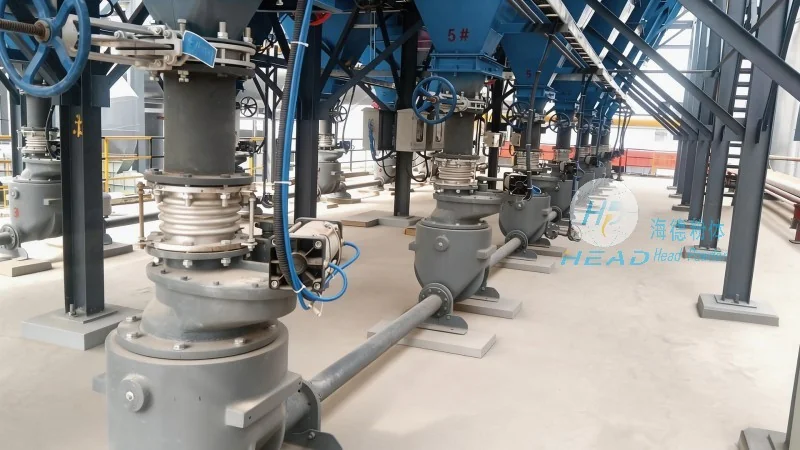
Silicate sols, often used in industrial applications such as foundry, refractory, and construction materials, present specific challenges during pneumatic transport. Their high viscosity, tendency to thicken under pressure changes, and potential for particle settlement can all contribute to pipeline blockages. Traditional pneumatic conveying systems may not be optimized for such viscous and non-Newtonian fluids, leading to increased maintenance costs and downtime. Recognizing these challenges is the first step toward implementing effective solutions.
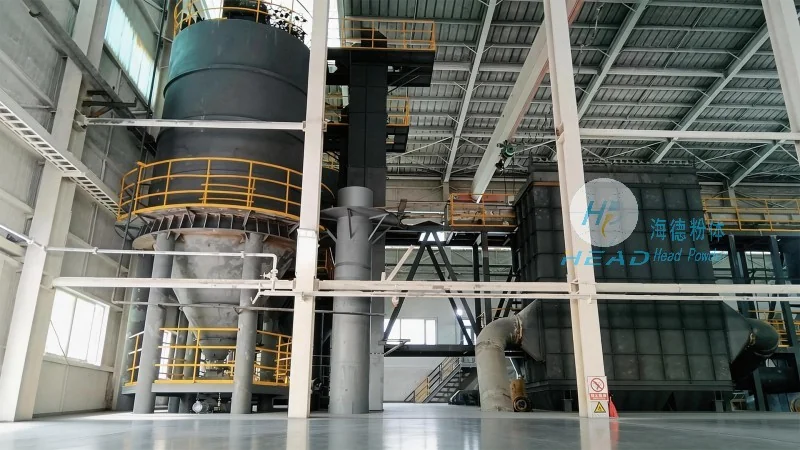
Several critical design parameters must be carefully evaluated and optimized to ensure smooth and unobstructed transport of silicate sols. These parameters include:
HeadPowder Engineering, a leading provider of pneumatic conveying solutions, offers tailored systems designed to address the unique challenges of silicate sol transport. Our expertise lies in optimizing the key design parameters mentioned above, ensuring that each component is selected and configured to minimize blockages and maximize system efficiency. We work closely with clients to assess their specific silicate sol properties, operational requirements, and site conditions to develop customized solutions that meet their needs.
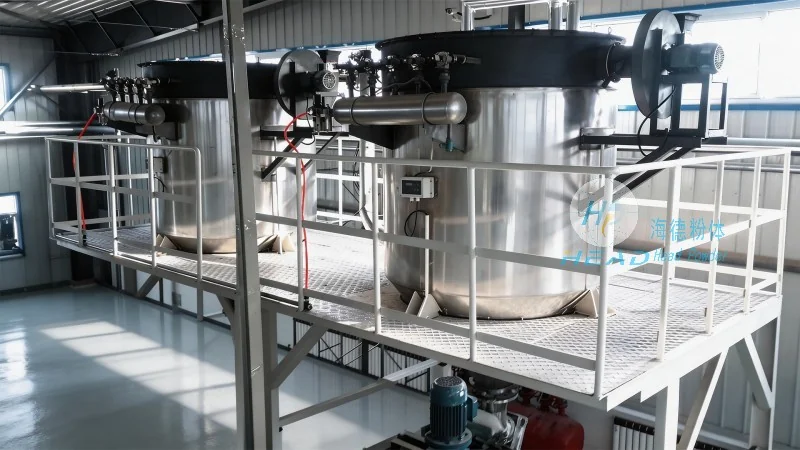
Preventing pipeline blockages in silicate sol delivery through pneumatic conveying systems requires a comprehensive approach that considers multiple design parameters. By optimizing conveying velocity, pressure levels, pipe dimensions, material selection, and feeding equipment, operators can significantly reduce the risk of blockages and improve overall system performance. HeadPowder Engineering remains committed to providing innovative solutions that help clients achieve reliable and efficient silicate sol transportation, ensuring their operations run smoothly and cost-effectively.

 Shandong Headpowder Engineering Co., Ltd.
 156-6277-7102(Manager Zhang)
  0531-83386006
  Zhangqiu District, Jinan City, Shandong Province, China
telephone
WeChatconsult
top