

What is a Tailings Powder Slag Material Pneumatic Conveying Line? And What Are Its Design Principles
Understanding the functionality and design principles of tailings powder slag material pneumatic conveying lines is crucial for industries dealing with mineral processing and waste management. These systems are engineered to efficiently transport fine powders and granular materials, such as tailings from mining operations, over long distances with minimal operational disruption.
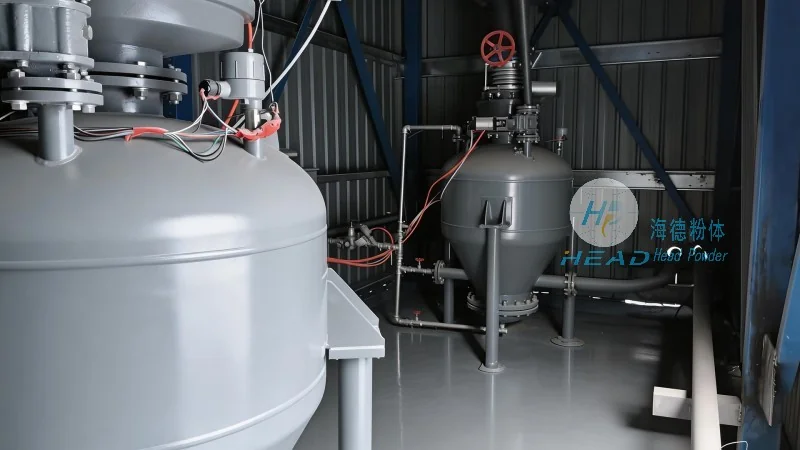
Overview of Tailings Powder Slag Pneumatic Conveying Systems
Tailings, the fine residue left after ore processing, often require specialized handling due to their abrasive nature and potential environmental impact. Pneumatic conveying lines offer a solution by using air pressure to move these materials through pipelines, eliminating the need for mechanical components like belts or buckets that might suffer from wear and tear in such applications. The core components of these systems typically include a material feed hopper, a pneumatic conveying pipeline, a control valve system, and a dust collection or separation unit. Each component plays a vital role in ensuring the efficient and safe transport of tailings powder slag.
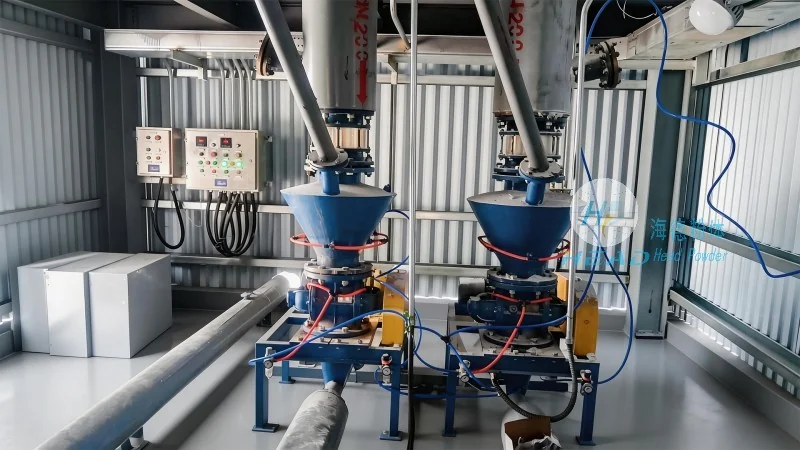
Design Principles for Efficient Material Transport
The design of a tailings powder slag pneumatic conveying line is based on several key principles to optimize performance and reliability. First, the system must be capable of handling high volumes of fine particles without clogging or blockages. This is achieved through careful selection of pipeline diameter, air velocity, and material feed rate. Engineers often use computational fluid dynamics (CFD) simulations to model the flow of particles and air within the pipeline, ensuring that the air velocity remains above the minimum required to prevent particle deposition. Second, the system must be robust enough to withstand the abrasive properties of tailings, which can cause wear on pipeline walls and components. Materials such as stainless steel or special alloys are commonly used for the pipeline and fittings to extend the service life of the equipment. Third, the design incorporates safety features to prevent dust explosions, which are a significant hazard in powder handling operations. This includes explosion-proof valves, pressure relief systems, and proper grounding of electrical components. Additionally, the system is designed to minimize energy consumption by optimizing air pressure and flow rates, reducing operational costs for the end-user.
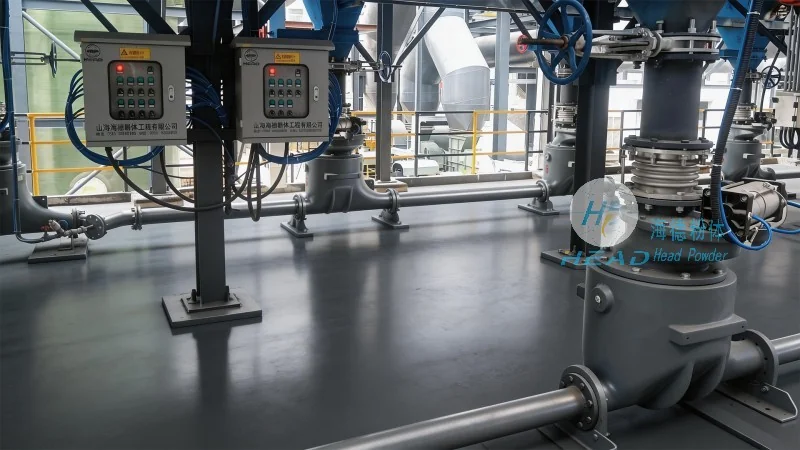
HeadPowder's Expertise in Tailings Handling Solutions
Shandong HeadPowder Engineering Co., Ltd., a leading provider of industrial conveying solutions, specializes in designing and manufacturing tailings powder slag pneumatic conveying lines tailored to the specific needs of mining and processing facilities. With years of experience in the industry, HeadPowder has developed a deep understanding of the challenges associated with handling abrasive and fine materials. The company's engineering team utilizes advanced design software and rigorous testing protocols to ensure that each system meets the highest standards of performance and safety. HeadPowder's solutions are known for their durability, low maintenance requirements, and ability to handle a wide range of particle sizes and moisture content. The company's commitment to customer satisfaction is evident in its comprehensive after-sales support, including installation, training, and ongoing technical assistance. By partnering with HeadPowder, mining operations can enhance their material handling efficiency while reducing operational risks and costs.
Key Components and Their Functionality
Each component of a tailings powder slag pneumatic conveying line works in harmony to achieve efficient material transport. The material feed hopper is designed to store and feed the tailings into the system at a controlled rate, preventing overloading and ensuring consistent flow. The hopper typically features a discharge valve that can be adjusted to regulate the feed volume. The pneumatic conveying pipeline is the main pathway for the material and air mixture. The diameter of the pipeline is selected based on the expected flow rate and particle size, with larger diameters used for higher capacities to reduce friction losses. The control valve system, often located at the end of the pipeline, regulates the air pressure and flow to control the discharge of material. This system includes valves such as rotary airlocks and pressure regulators to maintain the desired pressure and prevent backflow. The dust collection or separation unit is critical for maintaining air quality and preventing dust emissions. This unit typically uses cyclone separators or bag filters to capture fine particles and return them to the system or discharge them safely. The integration of these components ensures that the entire system operates smoothly and reliably, even under demanding conditions.
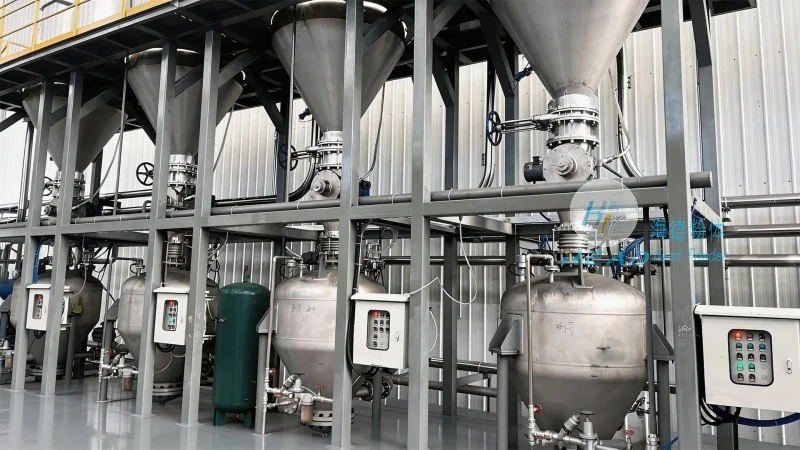
Benefits of Implementing Tailings Powder Slag Pneumatic Conveying Lines
Adopting a pneumatic conveying line for tailings powder slag handling offers numerous benefits to industrial operations. First, it significantly improves material handling efficiency by eliminating the need for manual or mechanical transport methods, which are often slower and more labor-intensive. The automated system can transport materials over long distances with minimal human intervention, reducing operational downtime and increasing overall productivity. Second, the system enhances safety by reducing the risk of dust exposure and explosions. By containing the material within a closed pipeline system, the risk of dust inhalation and fire hazards is minimized. Third, the system reduces environmental impact by preventing dust emissions and controlling the handling of hazardous materials. This is particularly important for mining operations, which are subject to strict environmental regulations. Fourth, the system offers cost savings through reduced maintenance and energy consumption. The use of robust materials and optimized design reduces the frequency of equipment replacement and lowers energy costs associated with air compression. Finally, the system provides flexibility in material handling, allowing for easy integration with existing processing facilities and adaptation to changing production needs.