

What is a Corn Cob Material Pneumatic Conveying System? And What Are Its Design Principles?
When it comes to efficiently handling corn cob material in industrial settings, the use of a pneumatic conveying system is often a key solution. This technology allows for the transport of corn cob particles through a pipeline using air or other gas streams, offering advantages such as reduced labor costs, improved safety, and enhanced process control. Understanding the components and design principles of such a system is crucial for optimizing material handling operations.
Introduction to Corn Cob Material Pneumatic Conveying Systems
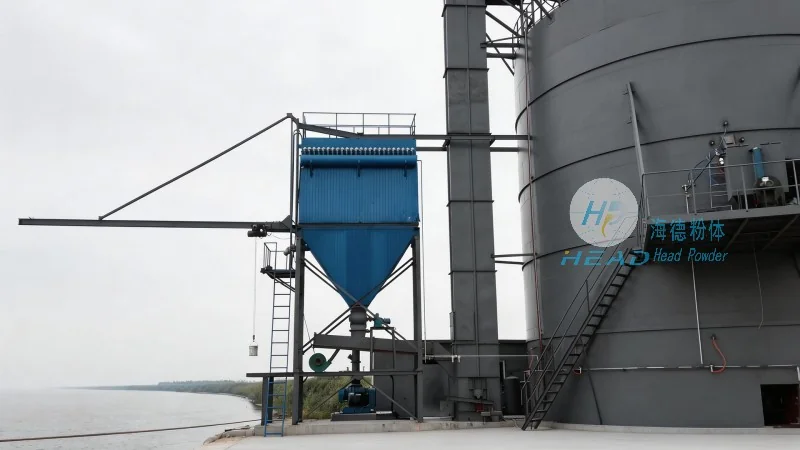
A corn cob material pneumatic conveying system is a specialized equipment setup designed to move corn cob particles from a source point to a destination point within an industrial facility. This system typically consists of a hopper for material storage, a conveyor line (often a pipeline), and a control system to regulate the flow of material and air. The primary goal is to achieve efficient, reliable, and cost-effective transportation of corn cob material, which is often used in various industrial applications like animal feed production, biofuel processing, or as a raw material in other manufacturing processes.
Key Components of a Corn Cob Pneumatic Conveying System
The effectiveness of a corn cob material pneumatic conveying system relies on several critical components working in harmony. The first component is the material hopper, which stores the corn cob and feeds it into the system. This hopper is usually equipped with a feeder, such as a rotary valve or a screw feeder, to control the flow of material into the pipeline. The pipeline itself is made of materials like stainless steel or plastic, chosen based on the properties of the corn cob and the operating conditions. The system also includes a blower or a vacuum pump that generates the air or gas flow to move the material. Additionally, there are often control valves and filters to regulate the air pressure and remove any debris or dust from the air stream. The destination point may include a silo, a storage tank, or a processing unit, where the corn cob is deposited.
Design Principles for Efficient Corn Cob Material Conveying
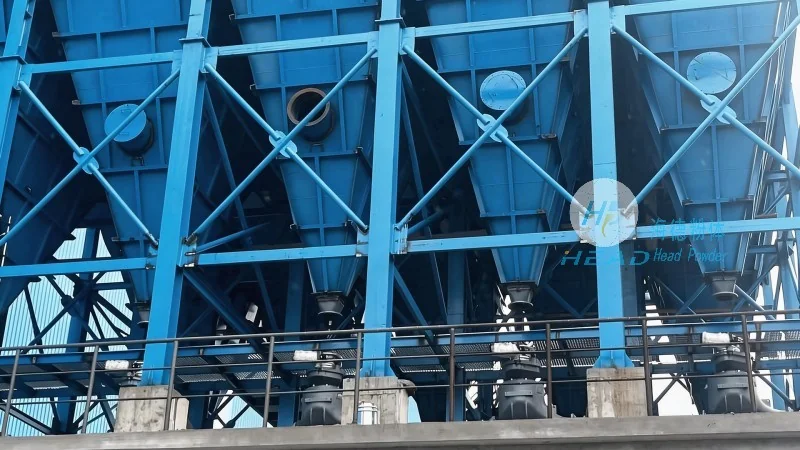
The design of a corn cob material pneumatic conveying system is based on several fundamental principles to ensure optimal performance. One of the most important principles is the selection of the appropriate conveying velocity, which is the speed at which the air moves through the pipeline relative to the material. The velocity must be high enough to keep the corn cob particles suspended in the air stream but not so high as to cause excessive wear on the equipment or energy consumption. The system's design also considers the particle size and density of the corn cob, as these factors affect the required air flow rate and pressure. For corn cob, which is relatively light and has a porous structure, a lower conveying velocity may be sufficient compared to denser materials. Another key principle is the use of appropriate pipeline diameter and length, as these affect the pressure drop and energy consumption. The system is designed to minimize pressure losses along the pipeline, which helps in reducing energy costs and ensuring smooth material flow. Furthermore, the system may incorporate features like pulse or rotary jet valves to control the material flow and prevent blockages, which are common issues in pneumatic conveying systems.
Benefits of Using a Corn Cob Material Pneumatic Conveying System
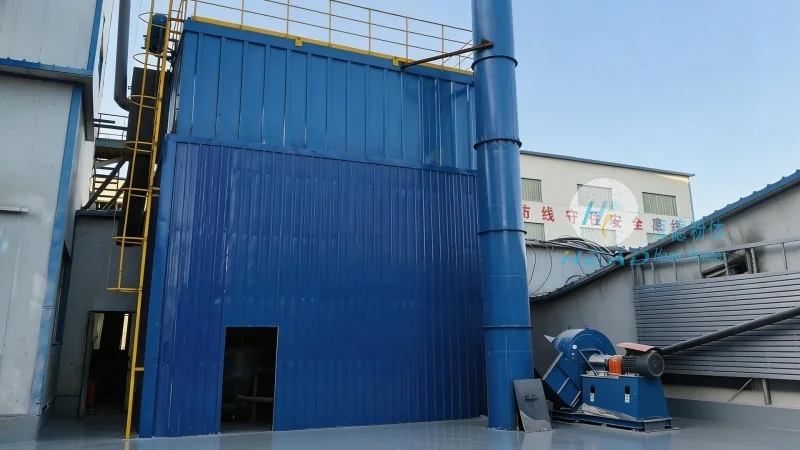
Implementing a corn cob material pneumatic conveying system offers numerous benefits for industrial operations. One of the main advantages is the reduction in labor costs, as the system automates the material handling process, eliminating the need for manual loading and unloading. This also enhances workplace safety by reducing the risk of accidents associated with manual handling of bulk materials. The system also improves process control, allowing for precise regulation of the material flow rate and ensuring consistent quality of the corn cob being transported. Additionally, the enclosed nature of the system helps in maintaining the quality of the corn cob by preventing contamination from dust, moisture, or other environmental factors. The system is also energy-efficient compared to traditional methods like belt conveyors or bucket elevators, especially when the material is light and the conveying distance is short. Overall, a well-designed corn cob material pneumatic conveying system can significantly improve the efficiency and reliability of material handling operations in industrial settings.
Applications of Corn Cob Material Pneumatic Conveying Systems
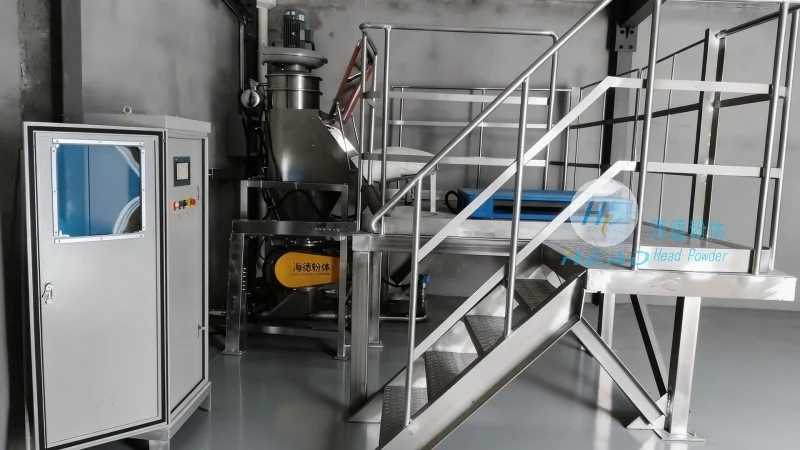
Corn cob material pneumatic conveying systems are widely used in various industries that utilize corn cob as a raw material. In the animal feed industry, these systems are used to transport corn cob from storage silos to feed mills, ensuring a consistent supply of raw material for feed production. In biofuel production, the system helps in moving corn cob to processing units where it is converted into bioethanol or other biofuels. Additionally, in the manufacturing of corn cob-based products like insulation or packaging materials, the system is used to transport the material to production lines. The versatility of the system allows it to be adapted to different industrial applications, making it a valuable asset for companies dealing with corn cob material.
Conclusion and Company Information
Understanding the design principles and components of a corn cob material pneumatic conveying system is essential for optimizing material handling operations in industrial settings. The system offers significant benefits in terms of efficiency, safety, and cost-effectiveness. For companies looking to implement such a system, it is important to choose a reliable and experienced supplier. Shandong HeadPowder Engineering Co., Ltd., a leading company in the field, specializes in designing and manufacturing high-quality pneumatic conveying systems tailored to the specific needs of their clients. With a focus on innovation and customer satisfaction, HeadPowder provides solutions that enhance the productivity and reliability of material handling processes. Based in Shandong, China, HeadPowder leverages its expertise and local resources to deliver top-notch equipment and services to the global market.