

What is a Carbon Powder Material Pneumatic Conveying System? And What Are Its Design Principles?
Carbon powder material pneumatic conveying systems are specialized industrial equipment designed to transport fine powders, such as carbon powders, through a pipeline using air or other gas as the conveying medium. These systems are widely used in various industries, including manufacturing, chemical processing, and material handling, due to their efficiency, flexibility, and ability to handle delicate or abrasive materials without causing degradation or contamination. HeadPowder, a leading manufacturer of industrial material handling equipment, offers advanced solutions for carbon powder pneumatic conveying systems, ensuring reliable and efficient material transport in production environments.
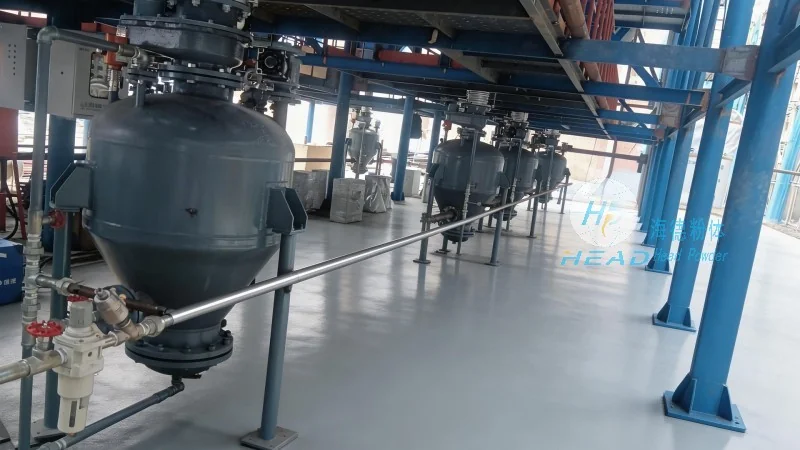
Key Components of a Carbon Powder Pneumatic Conveying System
A typical carbon powder pneumatic conveying system consists of several interconnected components that work together to move the material from the source to the destination. The primary components include a material feeder, a conveying line (pipeline), a gas source (such as a blower or compressor), a control system, and a receiver or discharge unit. Each component plays a critical role in the overall operation of the system.
The material feeder is responsible for introducing the carbon powder into the system at a controlled rate. This component ensures a consistent flow of material, preventing blockages or uneven distribution. Common types of feeders include rotary valves, star feeders, and screw feeders, which are chosen based on the properties of the carbon powder, such as its density, flowability, and particle size.
The conveying line, typically made of stainless steel or other corrosion-resistant materials, is the main pathway for transporting the carbon powder. The design of the pipeline must consider factors like the material's abrasiveness, potential for dust accumulation, and the need for smooth transitions to avoid material buildup or wear. The pipeline may include bends, elbows, and expansion joints to accommodate changes in direction or elevation, ensuring the material moves smoothly without causing pressure drops or blockages.
The gas source provides the necessary air or gas pressure to propel the carbon powder through the pipeline. Blowers or compressors are commonly used, with the choice depending on the system's capacity, pressure requirements, and the specific characteristics of the carbon powder. The gas source must be capable of maintaining a stable pressure and flow rate to ensure consistent material transport.
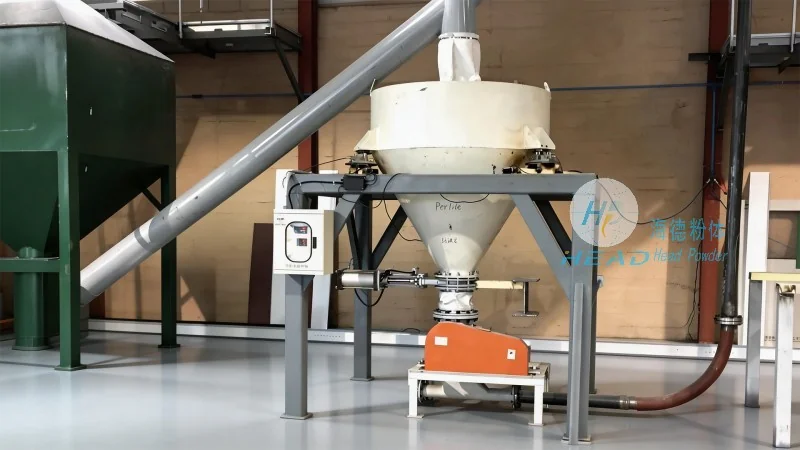
The control system manages the operation of the entire pneumatic conveying system. It monitors parameters such as pressure, flow rate, and material level, and adjusts the gas source and feeder settings as needed to maintain optimal performance. Modern control systems often incorporate sensors and automation to enhance efficiency and reduce downtime.
The receiver or discharge unit is where the carbon powder is collected at the end of the conveying line. This component may include a hopper or silo to store the material and a discharge valve to control the release of the powder. The design of the receiver must ensure that the material is discharged smoothly without causing clogging or spillage.
Design Principles for Carbon Powder Pneumatic Conveying Systems
The design of a carbon powder pneumatic conveying system involves several key principles aimed at ensuring efficient, reliable, and safe operation. These principles include maintaining appropriate air-to-material ratios, controlling pressure and velocity, and minimizing material degradation.
One of the fundamental design principles is the air-to-material ratio, which refers to the ratio of the volume of air to the volume of material being conveyed. The optimal air-to-material ratio varies depending on the properties of the carbon powder, such as its density, particle size, and flowability. A higher air-to-material ratio typically results in higher conveying velocities and lower pressure drops, but may also increase energy consumption. Conversely, a lower ratio may reduce energy use but increase the risk of blockages or material degradation.
Pressure and velocity are critical parameters in the design of pneumatic conveying systems. The system must maintain sufficient pressure to overcome the resistance of the pipeline and any obstacles, while also ensuring that the conveying velocity is high enough to prevent material settling or clogging. The velocity of the material in the pipeline is typically maintained above a certain threshold (often referred to as the "minimum conveying velocity") to ensure that the powder remains suspended and moves smoothly. However, excessively high velocities can cause wear on the pipeline and increase energy consumption.
Minimizing material degradation is another important design consideration for carbon powder pneumatic conveying systems. Carbon powders are often sensitive to mechanical stress, moisture, or temperature changes, which can affect their quality and performance. The design of the system must minimize these factors, such as by using smooth, abrasion-resistant materials for the pipeline and avoiding high-velocity impacts. Additionally, the system may include features like moisture control or temperature regulation to protect the carbon powder from environmental factors.
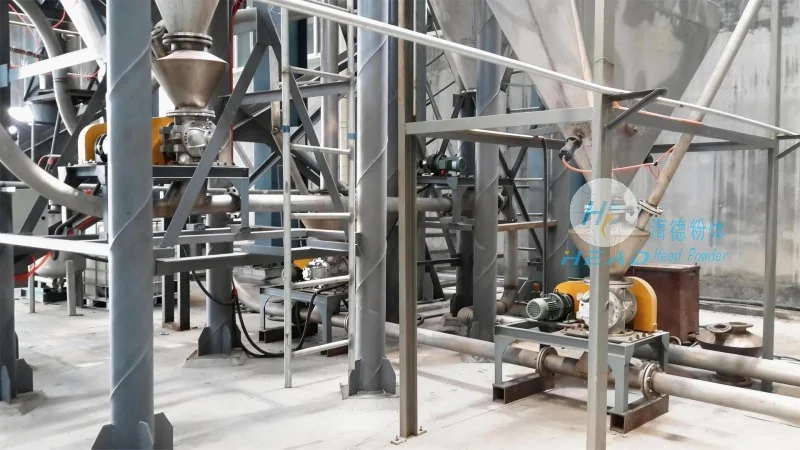
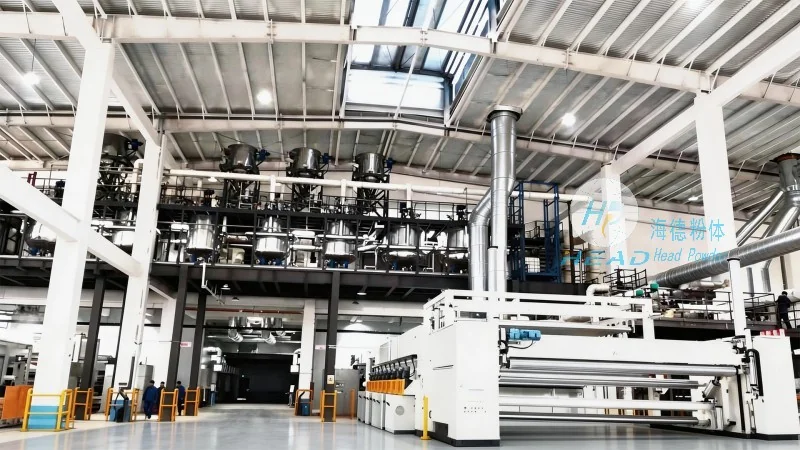
System layout and integration are also key design aspects. The arrangement of the components, including the feeder, pipeline, and receiver, must be optimized to minimize the length of the conveying line and the number of bends, which can reduce pressure losses and improve efficiency. The system may also be integrated with other production equipment, such as mixers or processing units, to streamline the overall production process.
Applications and Benefits of Carbon Powder Pneumatic Conveying Systems
Carbon powder pneumatic conveying systems are used in a wide range of applications across various industries. In the manufacturing sector, these systems are commonly employed to transport carbon powders used in the production of batteries, electronics, and coatings. In the chemical processing industry, they are used to handle carbon-based materials in processes such as mixing, blending, and packaging. The flexibility of pneumatic conveying systems allows them to be adapted to different production requirements, making them a versatile solution for material handling.
The benefits of using carbon powder pneumatic conveying systems include improved efficiency, reduced labor costs, and enhanced safety. By automating the material transport process, these systems eliminate the need for manual handling, which can be hazardous and inefficient. The systems also reduce the risk of material contamination, as the enclosed pipeline prevents exposure to the environment and other materials. Additionally, pneumatic conveying systems can handle a wide range of carbon powder types and sizes, making them suitable for diverse applications.
Conclusion
Carbon powder material pneumatic conveying systems are sophisticated industrial solutions designed to efficiently transport fine carbon powders through pipelines using air or gas as the conveying medium. The design of these systems involves careful consideration of key components, such as the material feeder, conveying line, gas source, control system, and receiver, as well as fundamental principles like air-to-material ratios, pressure and velocity control, and material protection. By adhering to these design principles, manufacturers can optimize the performance of their pneumatic conveying systems, ensuring reliable and efficient operation in production environments. The use of such systems offers significant benefits, including improved efficiency, reduced labor costs, and enhanced safety, making them an essential component in modern material handling and processing operations.