

Operation Process and Working Principle of Air-Driven Conveying Line for Fine Gray Materials
HeadPowder, a leading engineering company based in Shandong, China, specializes in the design and implementation of advanced air-driven conveying systems tailored for handling fine gray materials. These systems represent a sophisticated solution in material handling, combining efficiency, reliability, and minimal environmental impact. The following content provides a detailed overview of the operation process and working principles of such air-driven conveying lines, highlighting the technical aspects and practical applications that make them indispensable in various industrial settings.
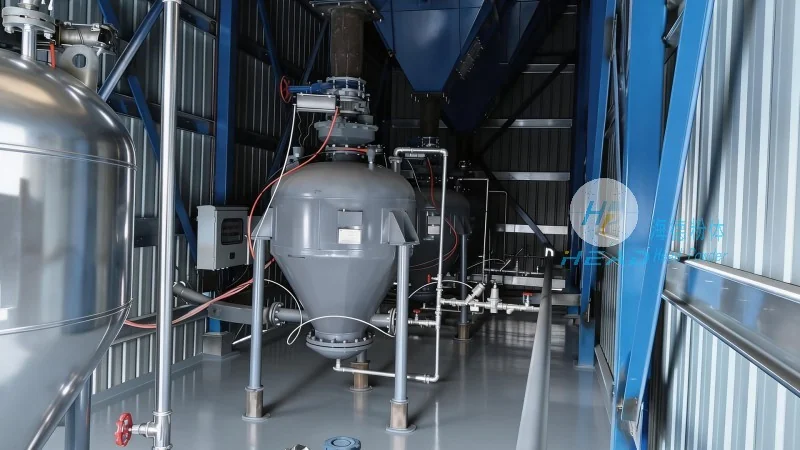
Components and Structure of the Air-Driven Conveying Line
The air-driven conveying line for fine gray materials typically consists of several key components, each playing a crucial role in the overall system. The primary elements include a material hopper for storage and feeding, a rotary valve or feeder to control the material flow, a series of conveying pipes with appropriate bends and supports, a fan or blower to generate the necessary air pressure, and a dust collection system to ensure air quality and compliance with environmental regulations. The material hopper is designed to hold the fine gray material, often with a sloped bottom to facilitate smooth discharge. The rotary valve or feeder regulates the flow rate, preventing overloading and ensuring consistent material supply to the conveying line. The conveying pipes are made of materials resistant to corrosion and abrasion, such as stainless steel or high-density polyethylene, to withstand the handling of fine particles. The fan or blower creates the airflow that propels the material through the pipes, with adjustable speed and pressure to match the material characteristics and system requirements. The dust collection system, including filters and cyclones, captures any fine particles that may escape the conveying process, ensuring clean air discharge and compliance with local air quality standards.
Operation Process of the Air-Driven Conveying Line
The operation of an air-driven conveying line for fine gray materials involves a sequential process that ensures efficient material transport from the source to the destination. The process begins with the material being fed into the hopper from a storage silo or bulk container. The rotary valve or feeder then controls the discharge rate, allowing a controlled amount of material to enter the conveying pipe. Simultaneously, the fan or blower generates the airflow, which is directed into the conveying pipe. As the material enters the pipe, it is entrained by the air stream and carried along the length of the line. The conveying process continues until the material reaches the discharge point, which is typically a receiving hopper or a processing unit. The system operates continuously, with the fan and feeder running at a constant speed to maintain a steady flow of material. The dust collection system continuously removes any fine particles from the air stream, preventing contamination and ensuring the system operates within safe and regulatory limits. The entire process is monitored by sensors and control systems that adjust the flow rate and air pressure as needed to maintain optimal performance and prevent system failures.
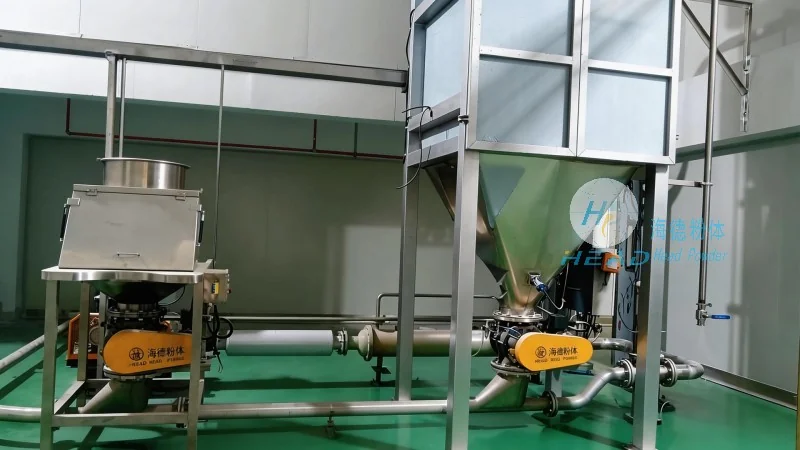
Working Principles of Air-Driven Conveying
The working principle of an air-driven conveying line for fine gray materials is based on the fundamental concept of pneumatic transport, where material particles are suspended and transported by an air stream. The system relies on the creation of a low-pressure zone in the conveying pipe, which is generated by the fan or blower. As air flows through the pipe, it creates a pressure differential between the inlet and outlet. The material is introduced into the pipe at the inlet, where it is mixed with the air stream. The air velocity is sufficient to keep the fine particles suspended, preventing them from settling or clogging the pipe. The conveying process is influenced by several factors, including the particle size, density, and moisture content of the material, as well as the air velocity and pressure. The system is designed to handle a wide range of material characteristics, from very fine powders to small granules, with the ability to adjust the conveying parameters to optimize performance. The dust collection system plays a critical role in maintaining the air quality by capturing any fine particles that may escape the conveying process. This not only ensures compliance with environmental regulations but also prevents the accumulation of dust in the system, which could lead to reduced efficiency or equipment damage.
Advantages of Air-Driven Conveying for Fine Gray Materials
Compared to traditional mechanical conveying systems, air-driven conveying lines offer several advantages that make them ideal for handling fine gray materials. One of the primary benefits is the ability to transport materials over long distances without the need for multiple transfer points or equipment. The system can handle materials that are difficult to convey mechanically, such as fine powders that tend to clog or settle in traditional systems. The air-driven system also provides a more hygienic and clean operation, as the material is contained within the pipes and the dust collection system ensures that no particles are released into the environment. Additionally, the system is more energy-efficient than mechanical systems, as the fan or blower can be adjusted to match the material flow requirements, reducing energy consumption. The flexibility of the system allows for easy integration with existing processing equipment, and the modular design enables easy expansion or modification as production needs change. The reliability of the system is also enhanced by the absence of moving parts in the conveying line, reducing the risk of mechanical failure and maintenance requirements.
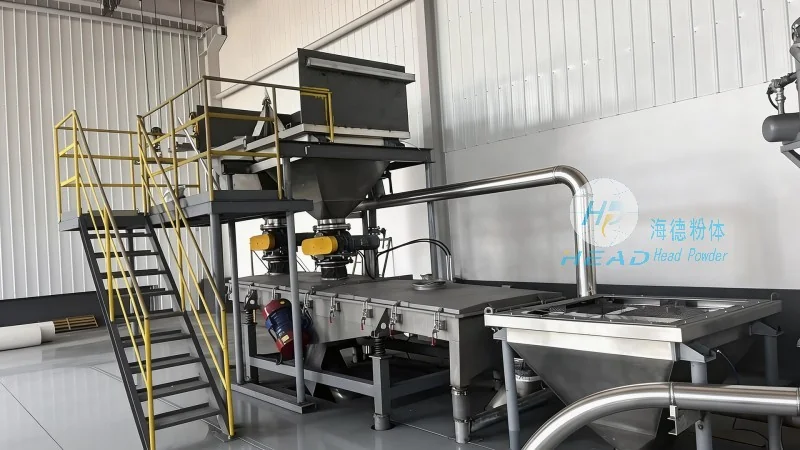
Applications and Industries
The air-driven conveying line for fine gray materials is widely used in various industries that handle fine powders and granules. These include the chemical industry, where materials such as cement, limestone, and chemicals are transported; the food industry, where fine powders like flour, sugar, and spices are handled; the pharmaceutical industry, where powders used in drug manufacturing are conveyed; and the mining industry, where ore and mineral powders are transported. The system is also used in the construction industry for transporting cement and other building materials. The versatility of the system allows it to be adapted to different applications, making it a valuable asset in any industrial setting where fine materials need to be moved efficiently and safely.
Conclusion and Company Profile
HeadPowder Engineering Co., Ltd., based in Shandong, China, is a leading provider of air-driven conveying systems for fine gray materials. The company's expertise in engineering and design ensures that its systems are tailored to meet the specific needs of each client, providing efficient, reliable, and environmentally friendly material handling solutions. The operation process and working principles of these systems are based on advanced pneumatic technology, offering advantages such as long-distance transport, hygienic operation, and energy efficiency. The company's commitment to quality and innovation has made it a trusted partner in the industry, helping businesses improve their material handling processes and increase productivity. With a focus on customer satisfaction and technical excellence, HeadPowder continues to lead the way in providing advanced air-driven conveying solutions for fine gray materials.