With more than 10‑year industry experience, Shandong Headpowder delivers full‑service pneumatic‑conveying systems and blowers, undertaking nationwide turn‑key powder‑handling projects.
Soybean meal is a vital byproduct in the agricultural and food processing sectors, extensively used as animal feed and in diverse food applications. The efficient and safe transportation of soybean meal from storage to processing units is crucial for maintaining product quality and operational efficiency. Pneumatic conveying systems have become a preferred solution for handling such bulk materials, offering benefits like dust control, reduced contamination, and the capability to transport materials over long distances without complex mechanical components.
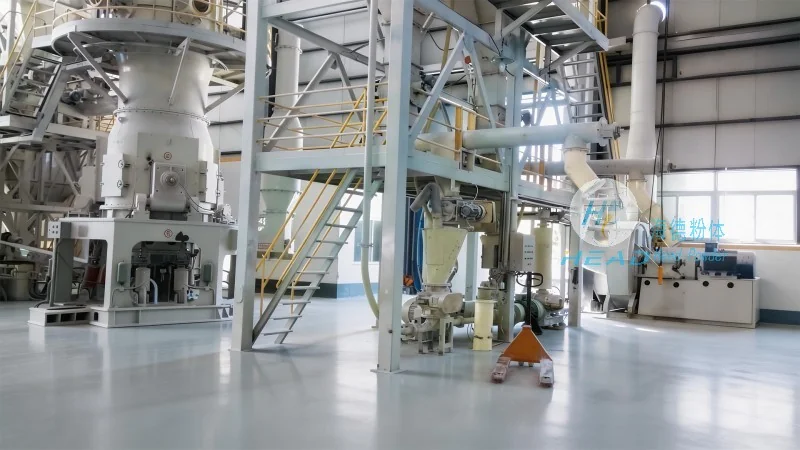
Soybean meal pneumatic conveying equipment is a specialized system designed to transport soybean meal through a pipeline using compressed air or other gas streams. This technology is particularly advantageous for industries dealing with fine, powdery materials like soybean meal, as it minimizes product degradation and ensures a clean, hygienic transfer process. The equipment typically comprises a hopper, a conveying line, a control system, and an air supply unit, all working together to move the material from the source to the destination.
The core components of a soybean meal pneumatic conveying system include the material hopper, which holds the soybean meal and feeds it into the conveying line; the conveying line itself, usually made of stainless steel or other corrosion-resistant materials to prevent contamination and ensure durability; the air supply unit, which generates the necessary pressure and flow of air to move the material; and the control system, which regulates the air pressure, flow rate, and material feed rate to maintain optimal operation.
The design of soybean meal pneumatic conveying equipment is guided by several key principles to ensure efficient and reliable operation. One primary principle is the balance between air velocity and material velocity, which determines the conveying capacity and pressure drop across the system. Engineers must calculate the appropriate air velocity to prevent material deposition or blockages in the pipeline while ensuring sufficient force to move the material. Another critical principle is the use of appropriate hopper designs, such as conical or wedge-shaped hoppers, to promote uniform material flow and prevent bridging or caking, which can disrupt the conveying process.
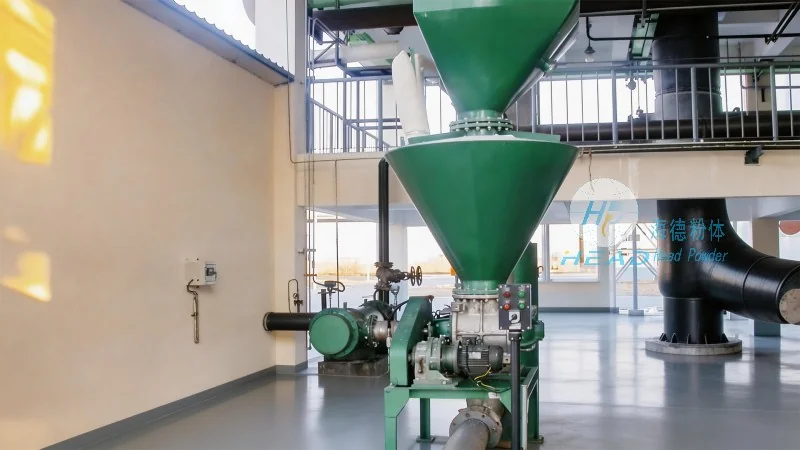
Additionally, the system incorporates features like airlocks and rotary valves to control the flow of material and air, preventing backflow and ensuring a smooth transition between different sections of the conveying line. The air supply unit typically includes filters and regulators to maintain clean, dry air, essential for preventing moisture-related issues in soybean meal, such as mold growth or clumping. The control system often uses sensors and automation to monitor parameters like pressure, flow rate, and material level, allowing for real-time adjustments and preventing operational inefficiencies or equipment damage.
Compared to traditional mechanical conveying methods, soybean meal pneumatic conveying offers several advantages that make it a preferred choice for many industries. One of the most significant benefits is the ability to transport materials in a closed system, minimizing dust exposure and reducing the risk of contamination from external sources. This is particularly important for soybean meal, which is sensitive to moisture and can easily become contaminated if exposed to the air or other environmental factors.
Another advantage is the flexibility of the system, as it can be easily adapted to different production scales and layouts. The conveying line can be extended or reconfigured to accommodate changes in production volume or facility design, without the need for major structural modifications. Additionally, pneumatic conveying systems are relatively low maintenance compared to mechanical systems, as they have fewer moving parts and are less prone to wear and tear. This reduces downtime and maintenance costs, contributing to overall operational efficiency.
Soybean meal pneumatic conveying equipment is widely used in various industries that rely on soybean meal as a key ingredient. In the animal feed industry, these systems are used to transport soybean meal from storage silos to feed mills or mixing facilities, ensuring a consistent supply of high-quality feed for livestock. In the food processing industry, the equipment is used to move soybean meal to processing lines for the production of soy protein products, such as soy milk, tofu, or textured soy protein.
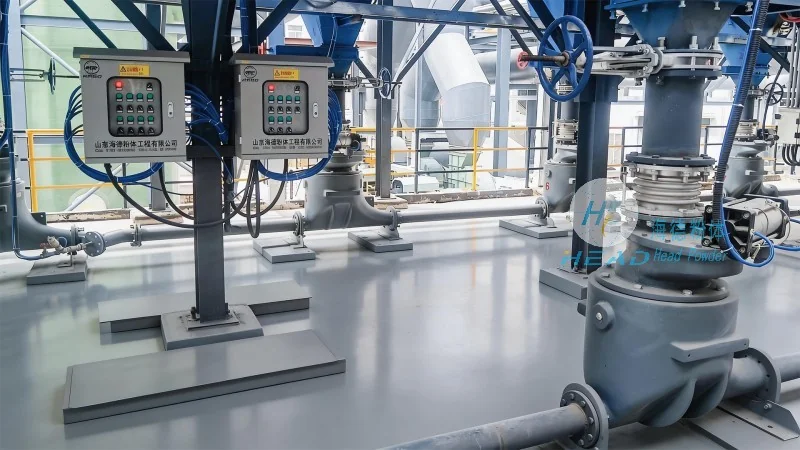
In addition to these primary applications, pneumatic conveying systems are also used in the chemical and pharmaceutical industries for handling other fine powders that require similar processing conditions. The versatility of the technology makes it suitable for a wide range of applications, from small-scale operations to large industrial facilities.
Soybean meal pneumatic conveying equipment is a critical component in the efficient and safe handling of soybean meal, offering numerous advantages over traditional conveying methods. The design principles and operational mechanisms of these systems are carefully engineered to ensure optimal performance, while the components and features are tailored to meet the specific needs of the material being transported.
Shandong HeadPowder Engineering Co., Ltd., a leading manufacturer in the field, specializes in the design, manufacturing, and supply of high-quality pneumatic conveying systems for various bulk materials, including soybean meal. With a focus on innovation and customer satisfaction, the company provides customized solutions that meet the unique requirements of each client, ensuring reliable and efficient material handling. HeadPowder's commitment to quality and technology has made it a trusted partner for industries worldwide, helping them improve their operational efficiency and product quality.

 Shandong Headpowder Engineering Co., Ltd.
 156-6277-7102(Manager Zhang)
  0531-83386006
  Zhangqiu District, Jinan City, Shandong Province, China
telephone
WeChatconsult
top