

What is a Long-Distance Pneumatic Conveying System? And What Are Its Design Principles?
Long-distance pneumatic conveying systems are industrial equipment designed to transport bulk materials over significant distances using air or gas as the conveying medium. These systems are widely used in various industries, including food processing, pharmaceuticals, chemicals, and mining, due to their ability to handle a wide range of materials efficiently and safely. The core of such a system lies in its design principles, which dictate how materials are moved, the pressure and flow rates required, and the overall system efficiency.
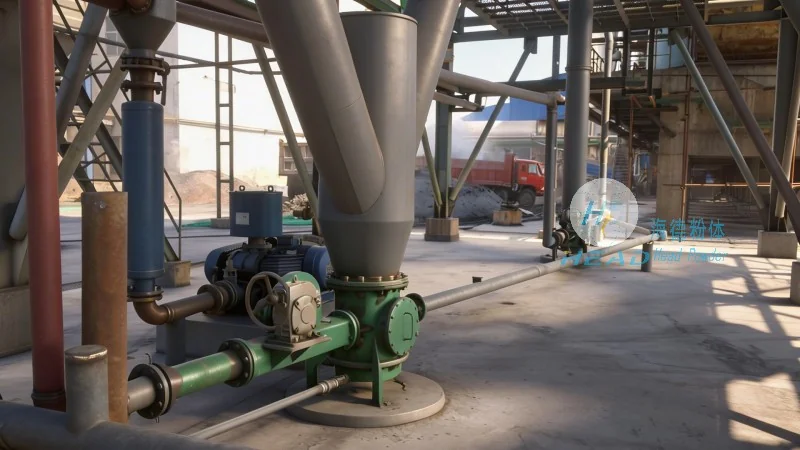
Understanding Long-Distance Pneumatic Conveying Systems
A long-distance pneumatic conveying system typically consists of a material feed hopper, a conveying line (often with multiple sections), a control system, and a discharge point. The system operates by creating a pressure differential between the feed and discharge ends, allowing air or gas to carry the material particles through the pipeline. The design of these systems must consider several factors, including the material's properties, the required conveying distance, and the desired throughput.
Key Design Principles of Long-Distance Pneumatic Conveying
The design principles of a long-distance pneumatic conveying system revolve around ensuring efficient material transport while minimizing energy consumption and wear on components. One of the primary principles is the selection of the appropriate conveying method—either positive pressure, negative pressure, or a combination of both—based on the material's characteristics and the system's layout. Positive pressure systems use a blower or compressor to push air and material through the pipeline, while negative pressure systems use a vacuum to draw material from the source. The choice of method impacts the system's performance, maintenance requirements, and overall cost.
Another critical design principle is the determination of the air velocity and pressure. The air velocity must be high enough to keep the material particles suspended and prevent them from settling in the pipeline, but not so high as to cause excessive wear on the equipment or increase energy costs. The pressure required depends on the conveying distance, the material's density, and the system's configuration. Engineers often use empirical formulas or computational fluid dynamics (CFD) simulations to calculate the optimal air velocity and pressure for a given application.
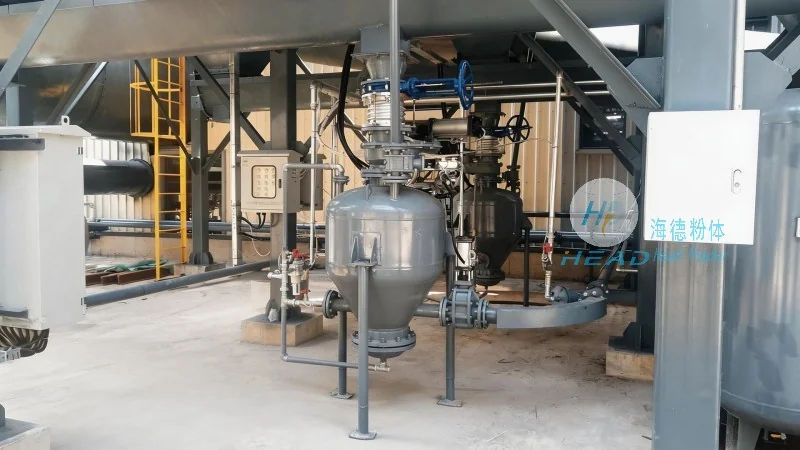
Components and Their Roles in Long-Distance Pneumatic Conveying
Each component of a long-distance pneumatic conveying system plays a crucial role in its operation. The material feed hopper is responsible for storing and feeding the bulk material into the system. It is designed to handle the material's flow characteristics and prevent blockages. The conveying line, usually made of metal or plastic, is the main pathway for the material and air. It must be able to withstand the pressure and temperature conditions and resist corrosion or wear from the conveyed material. The control system, which includes sensors, valves, and a control panel, monitors and regulates the system's operation, ensuring consistent material flow and preventing issues such as overpressure or vacuum loss.
Applications and Benefits of Long-Distance Pneumatic Conveying
Long-distance pneumatic conveying systems are used in a variety of applications where traditional mechanical conveyors are not suitable. For example, in the food industry, they are used to transport powders and granules without contamination, as the system is enclosed and can be cleaned easily. In the pharmaceutical industry, they are used to handle sensitive materials that require a sterile environment. In the chemical industry, they are used to transport corrosive or abrasive materials that would damage mechanical conveyors. The benefits of these systems include improved safety, reduced labor costs, and increased efficiency compared to traditional methods.
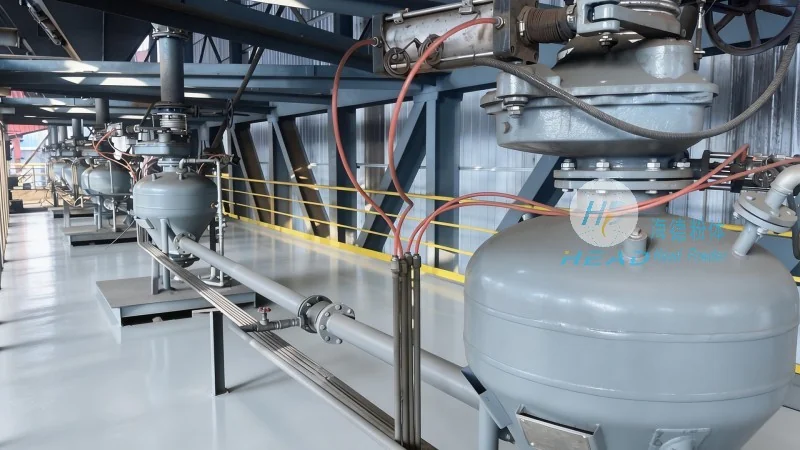
HeadPowder Engineering: Expert in Long-Distance Pneumatic Conveying Systems
Shandong HeadPowder Engineering Co., Ltd., a leading manufacturer based in China, specializes in designing and manufacturing high-quality long-distance pneumatic conveying systems. With years of experience in the industry, HeadPowder has developed a range of systems tailored to meet the specific needs of various industries. The company's engineers use advanced design principles and cutting-edge technology to ensure that their systems are efficient, reliable, and cost-effective. HeadPowder's products are known for their durability, low maintenance requirements, and excellent performance, making them a preferred choice for many businesses.
HeadPowder's long-distance pneumatic conveying systems are designed to handle a wide range of materials, from fine powders to large granules, and can be customized to meet the specific requirements of each customer. The company's team of experts works closely with clients to understand their needs and provide tailored solutions. Whether it's a new system installation or an upgrade to an existing one, HeadPowder offers comprehensive support to ensure that the system operates at its best.
Conclusion: The Importance of Proper Design and Implementation
Long-distance pneumatic conveying systems are essential equipment in many industries, and their proper design and implementation are crucial for their effectiveness. By understanding the key design principles and components of these systems, businesses can ensure that they are using the most efficient and reliable equipment for their material handling needs. With the expertise of companies like Shandong HeadPowder Engineering Co., Ltd., businesses can access high-quality systems that meet their specific requirements and help them achieve their operational goals.