With more than 10‑year industry experience, Shandong Headpowder delivers full‑service pneumatic‑conveying systems and blowers, undertaking nationwide turn‑key powder‑handling projects.
For industries dealing with bone powder, efficient and reliable material handling is crucial. A bone powder pneumatic conveying equipment is a specialized system designed to transport bone powder and similar powders through a pressurized or vacuum system. This equipment is essential for maintaining product quality, ensuring safety, and optimizing production processes in various applications such as food processing, animal feed manufacturing, and pharmaceutical production.
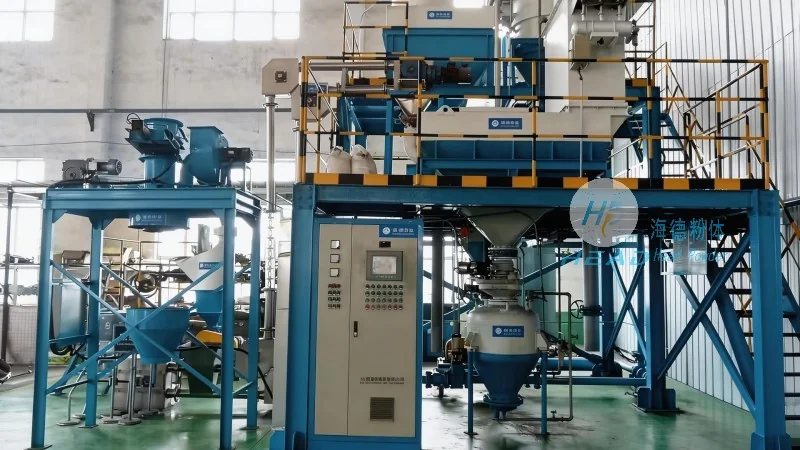
Bone powder, derived from animal bones, is a fine powder often used as a nutritional supplement or ingredient in various products. Handling this material requires specialized equipment due to its fine particle size and potential for dust generation. The bone powder pneumatic conveying equipment, developed by Shandong HeadPowder Engineering Co., Ltd. based in China, addresses these challenges by providing a clean, efficient, and safe method for transporting bone powder. The company, with its headquarters in Shandong, China, specializes in engineering solutions for material handling, ensuring that their equipment meets the highest standards of performance and reliability.
The core principle of pneumatic conveying is the use of air or gas to move solid particles through a pipeline. In the case of bone powder, the system typically operates under positive pressure, where air is forced through the pipeline to push the powder forward. This method eliminates the need for mechanical components like belts or screws, reducing wear and maintenance costs. The equipment consists of several key components: a feed hopper to introduce the bone powder, a blower or compressor to generate the air flow, a pipeline network to transport the material, a separation unit to collect the powder at the destination, and a filter system to remove any residual dust from the air.
The design of a bone powder pneumatic conveying system involves careful consideration of several factors to ensure optimal performance. First, the system must be designed to handle the specific properties of bone powder, including its particle size distribution, moisture content, and flow characteristics. The pipeline diameter and material are chosen to minimize friction and prevent clogging, which is critical for fine powders like bone powder. The velocity of the air flow is a key parameter; it must be high enough to keep the powder suspended but not so high as to cause excessive wear on the equipment or generate too much dust. The system also includes pressure control mechanisms to maintain consistent flow rates and prevent backflow or pressure surges that could damage the equipment or affect product quality.
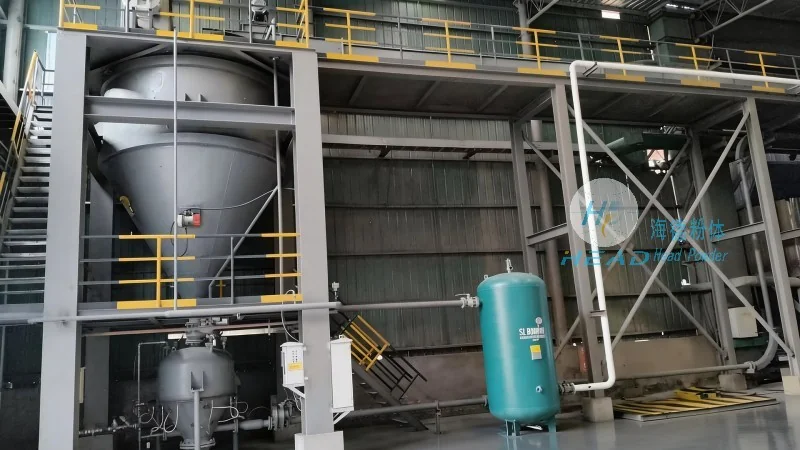
Each component of the bone powder pneumatic conveying equipment plays a vital role in the overall operation. The feed hopper is designed to store and feed the bone powder into the system at a controlled rate, preventing overloading and ensuring a steady flow. The blower or compressor provides the necessary air pressure and volume to move the powder through the pipeline. The pipeline network, often made of stainless steel or other corrosion-resistant materials, is designed to withstand the pressure and prevent contamination. The separation unit, such as a cyclone or bag filter, collects the bone powder at the end of the pipeline and separates it from the air stream. The filter system then cleans the air, removing any fine particles before releasing it back into the environment or recycling it back into the system.
Compared to traditional methods like bucket elevators or screw conveyors, pneumatic conveying offers several advantages for handling bone powder. It provides a closed system, which prevents dust contamination and maintains product purity, which is essential for food and pharmaceutical applications. The system is also more flexible, allowing for changes in the layout or direction of the pipeline without major modifications. Additionally, pneumatic conveying reduces the risk of product degradation due to less exposure to air and mechanical stress. The equipment is also more hygienic and easier to clean, which is critical for compliance with industry regulations.
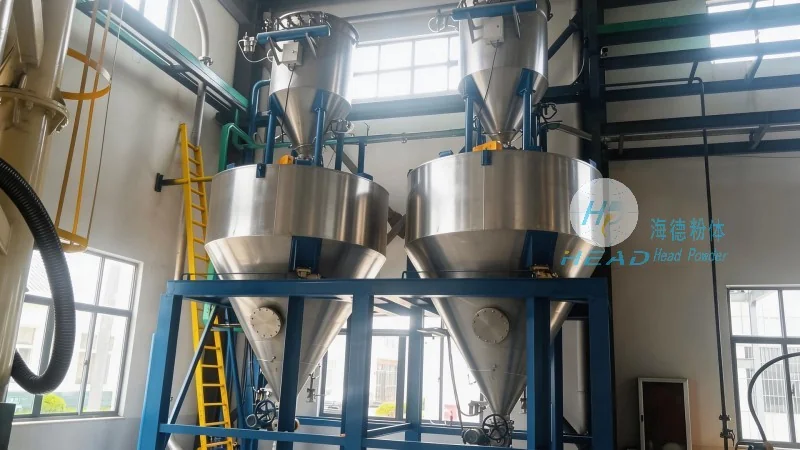
Bone powder pneumatic conveying equipment is widely used in various industries where bone powder is a key ingredient. In the food industry, it is used to transport bone powder for use in pet foods, human nutritional supplements, and other food products. In the animal feed industry, it is used to add bone powder to feed formulations, providing essential nutrients. In the pharmaceutical industry, it is used to transport bone powder for use in dietary supplements and other medicinal products. The equipment is also used in research and development facilities where precise handling of bone powder is required.
Proper maintenance is essential to ensure the long-term performance and safety of the bone powder pneumatic conveying equipment. Regular cleaning of the pipeline and components is necessary to prevent clogging and maintain air flow. The filter system should be checked and replaced regularly to ensure it is functioning effectively. The blower or compressor should be inspected for wear and tear, and lubricated as needed. Safety considerations are also critical, as the system operates under pressure and can generate dust. Proper ventilation and dust collection systems should be in place to prevent dust explosions and ensure a safe working environment. The equipment should also be equipped with safety valves and pressure relief devices to prevent overpressure situations.
Bone powder pneumatic conveying equipment is a vital tool for industries dealing with bone powder, providing an efficient, safe, and reliable method for material handling. The design principles and components of this equipment are carefully engineered to handle the specific properties of bone powder, ensuring optimal performance and product quality. With its advantages in hygiene, flexibility, and reduced product degradation, this equipment is an essential investment for any company that uses bone powder in its production processes. Shandong HeadPowder Engineering Co., Ltd., based in Shandong, China, specializes in providing high-quality bone powder pneumatic conveying equipment that meets the needs of various industries, ensuring that their customers can achieve efficient and safe material handling in their operations.

 Shandong Headpowder Engineering Co., Ltd.
 156-6277-7102(Manager Zhang)
  0531-83386006
  Zhangqiu District, Jinan City, Shandong Province, China
telephone
WeChatconsult
top