With more than 10‑year industry experience, Shandong Headpowder delivers full‑service pneumatic‑conveying systems and blowers, undertaking nationwide turn‑key powder‑handling projects.
Concrete pneumatic conveying systems represent a sophisticated method for transporting concrete materials through a network of pipes using compressed air or other gas streams. This technology has become increasingly vital in construction and industrial applications, offering efficient and flexible solutions for material handling. Understanding the fundamentals of these systems, including their design principles, is crucial for optimizing performance and ensuring reliability in various operational contexts.
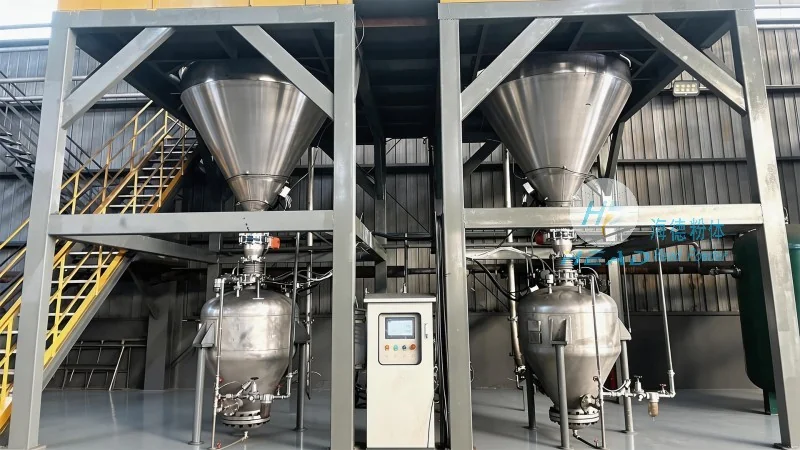
A concrete pneumatic conveying system is a specialized piece of equipment designed to transport dry or wet concrete mixtures, aggregates, or other construction materials from one location to another. Unlike traditional methods such as trucks or conveyor belts, pneumatic conveying utilizes the force of compressed air to move materials through a sealed pipeline system. This approach minimizes material degradation, reduces contamination risks, and enables precise control over the flow rate and pressure. The system typically consists of several key components, including a feeder, a conveying line, a separator, and a receiver, all working in tandem to ensure efficient material transport.
The design of a concrete pneumatic conveying system is governed by several critical principles that ensure optimal performance and safety. The primary principle is the selection of the appropriate conveying pressure, which can be categorized into low-pressure, medium-pressure, and high-pressure systems. Low-pressure systems operate at pressures up to 0.5 bar, suitable for short distances and low material density. Medium-pressure systems, operating between 0.5 to 2 bar, are ideal for moderate distances and higher material loads. High-pressure systems, exceeding 2 bar, are used for long-distance or high-density material transport. The choice of pressure directly impacts the system's efficiency, energy consumption, and the required pipe diameter.
Another crucial design principle is the selection of the conveying medium. Compressed air is the most common medium, but other gases like nitrogen or carbon dioxide may be used in specific applications to control moisture content or prevent oxidation. The design must also consider the material's properties, such as particle size, moisture content, and abrasiveness, as these factors influence the system's capacity and the wear on components. For example, abrasive materials like crushed stone require more robust materials for the pipes and components to prevent premature wear and failure.
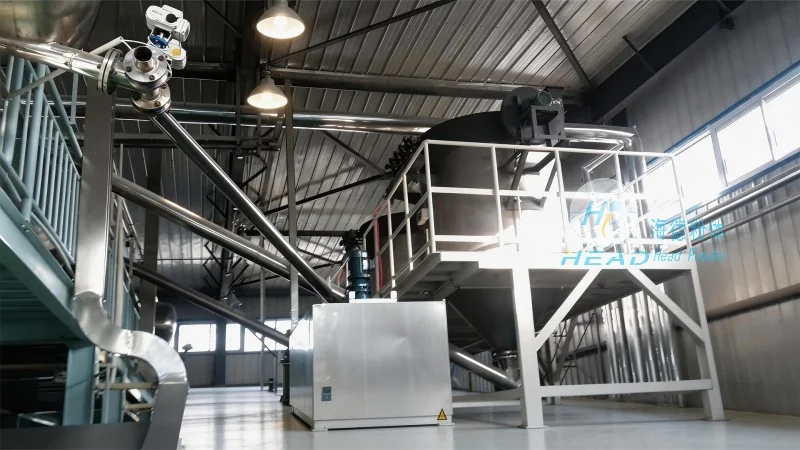
The core components of a concrete pneumatic conveying system include the feeder, which introduces the material into the system; the conveying line, which transports the material; the separator, which separates the material from the air; and the receiver, which collects the material at the destination. The feeder is typically a rotary valve or a screw feeder, designed to feed the material at a consistent rate into the conveying line. The conveying line is made of durable materials like stainless steel or PVC, with appropriate bends and fittings to maintain the material's flow. The separator, often a cyclone or a bag filter, separates the material from the air by using centrifugal force or filtration. The receiver is a storage tank or a hopper that collects the material after it has been separated from the air.
The working mechanism begins with the feeder introducing the material into the conveying line. Compressed air is then introduced at one end of the line, creating a pressure differential that propels the material forward. As the material travels through the line, it is mixed with the air, forming a slurry or a dense phase flow. The separator then separates the material from the air, allowing the air to be recirculated or vented, while the material is collected in the receiver. This process is continuous, allowing for the steady transport of materials over long distances without the need for intermediate storage.
Concrete pneumatic conveying systems offer several advantages over traditional material handling methods. One of the primary benefits is the ability to transport materials over long distances with minimal loss of quality. The sealed pipeline system prevents contamination from dust, moisture, or other external factors, ensuring that the material remains in its original state. Additionally, the system is highly flexible, allowing for changes in the material flow direction or destination without major modifications to the infrastructure. This flexibility makes it suitable for complex construction sites where materials need to be transported to multiple locations.
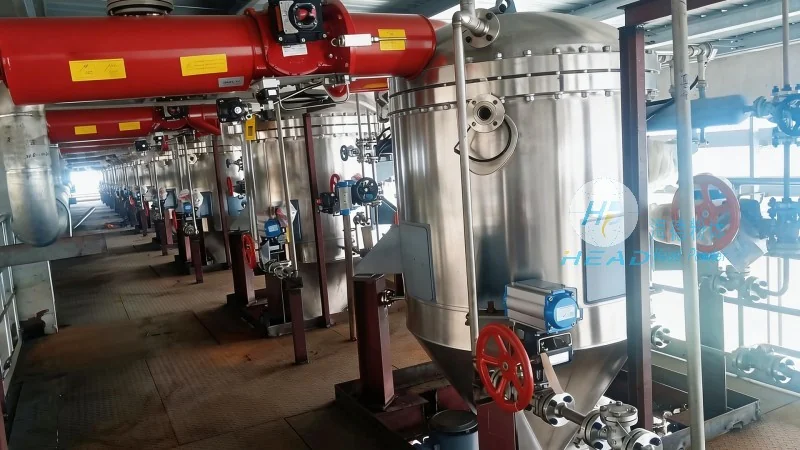
The systems are also energy-efficient compared to other methods, as they can transport materials with less energy consumption per unit weight. The use of compressed air as the conveying medium allows for precise control over the flow rate, which helps in optimizing the material usage and reducing waste. Furthermore, the system is relatively low-maintenance, as it has fewer moving parts compared to traditional conveyor systems, reducing the risk of breakdowns and downtime.
Concrete pneumatic conveying systems are widely used in various applications, including construction sites, precast concrete plants, and industrial facilities. In construction, they are used to transport concrete mixtures from batching plants to job sites, ensuring a continuous supply of materials without the need for trucks or other vehicles. In precast concrete plants, they are used to transport aggregates and other raw materials to the mixing and casting areas. In industrial facilities, they are used to transport concrete or other materials for manufacturing processes, such as in the production of concrete blocks or pipes.
Shandong HeadPowder Engineering Co., Ltd. is a leading manufacturer and supplier of concrete pneumatic conveying equipment in China. The company is headquartered in Shandong province, China, and has a strong reputation for producing high-quality, reliable, and efficient systems that meet the needs of various industries. With years of experience in the field, HeadPowder has developed a range of products that cater to different applications and requirements, from small-scale projects to large industrial operations. The company's commitment to quality and innovation has made it a trusted partner for many clients, who rely on its products to improve their material handling processes and enhance operational efficiency.

 Shandong Headpowder Engineering Co., Ltd.
 156-6277-7102(Manager Zhang)
  0531-83386006
  Zhangqiu District, Jinan City, Shandong Province, China
telephone
WeChatconsult
top