

Operation Process and Working Principle of Heavy Calcium Material Pneumatic Conveying Line
Heavy calcium material pneumatic conveying lines are critical industrial equipment used for the efficient and safe transportation of heavy calcium powder and other bulk materials. These systems utilize air pressure to move materials through a network of pipes, offering advantages such as reduced dust, minimal maintenance, and the ability to handle materials in diverse environments. Understanding the operation process and working principle of such lines is essential for optimizing material handling in sectors like chemical manufacturing, food processing, and pharmaceuticals.
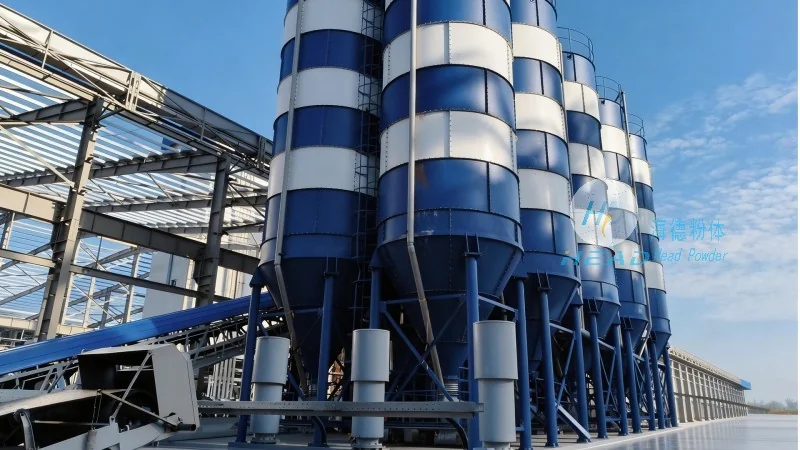
Working Principle of Pneumatic Conveying for Heavy Calcium Materials
The fundamental working principle of a heavy calcium material pneumatic conveying line is based on the use of compressed air to create a flow that propels the material through the system. The process typically involves several key steps: first, the heavy calcium material is fed into a hopper or feeder, where it is then introduced into a pipeline. Compressed air, often generated by a blower or compressor, is introduced into the pipeline, creating a pressure differential that moves the material along with the air stream. The material is carried through the pipeline to a destination point, such as a storage silo or processing unit. At the receiving end, a separator or cyclone is used to separate the material from the air, allowing the material to be discharged while the air is either recirculated or vented to the atmosphere.
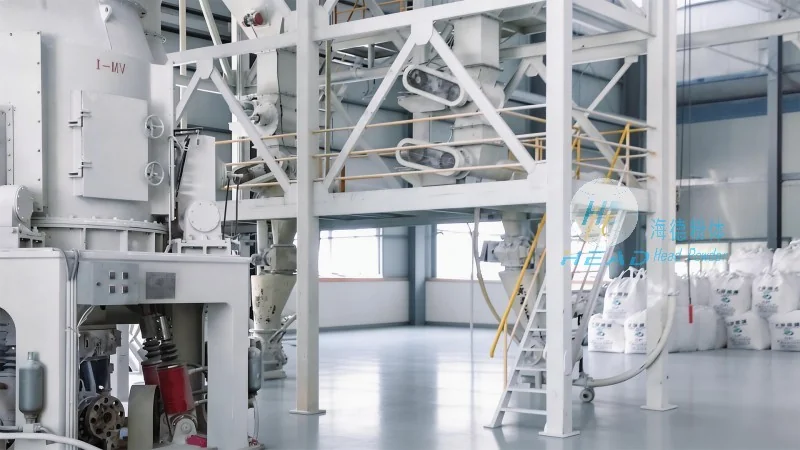
Operation Process of Heavy Calcium Material Pneumatic Conveying Lines
The operation process of a heavy calcium material pneumatic conveying line involves a series of coordinated steps to ensure smooth and continuous material transport. The process begins with the preparation of the material, which may include drying or screening to ensure consistent particle size and quality. Next, the material is fed into the system via a feeder or hopper, which controls the flow rate to match the system's capacity. The feeder then delivers the material into the conveying pipeline, where it is mixed with compressed air. The air and material mixture travels through the pipeline, with the velocity of the air determining the conveying capacity and efficiency. As the mixture reaches the receiving end, a separator or filter removes the material from the air stream, and the material is collected in a container or silo. The air, now clean, may be recirculated back to the system or vented, depending on the system design. Throughout the operation, monitoring systems track pressure, flow rate, and material levels to ensure optimal performance and prevent issues such as blockages or overloading.
Key Components and Their Roles in the System
Several critical components work together to ensure the efficient operation of a heavy calcium material pneumatic conveying line. The primary components include: 1. **Feeder or Hopper**: This component is responsible for feeding the heavy calcium material into the system at a controlled rate, preventing overloading and ensuring consistent material flow. 2. **Compressor or Blower**: Provides the necessary compressed air to generate the pressure differential required for conveying the material. 3. **Conveying Pipeline**: The network of pipes that transports the material and air mixture from the feeding point to the receiving point. 4. **Separator or Cyclone**: Used to separate the material from the air stream at the receiving end, allowing the material to be collected and the air to be handled appropriately. 5. **Control System**: Monitors and regulates the operation of the system, including pressure, flow rate, and material levels, to maintain optimal performance and prevent malfunctions. Each component plays a vital role in the overall efficiency and reliability of the pneumatic conveying system.
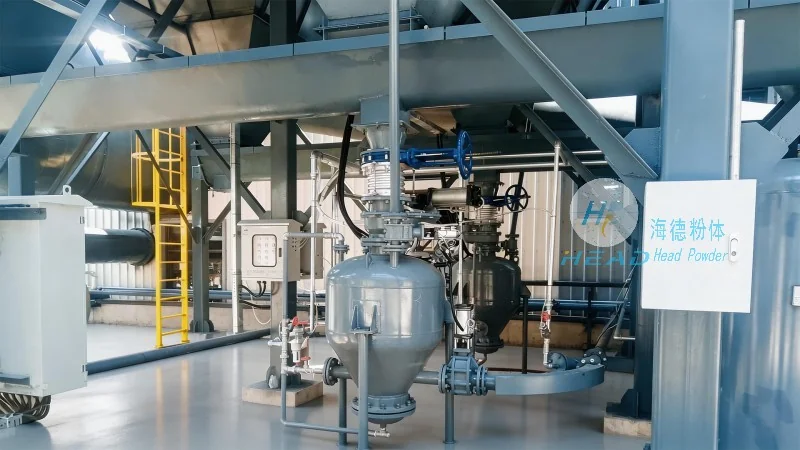
Company Overview: Shandong HeadPowder Engineering Co., Ltd.
Shandong HeadPowder Engineering Co., Ltd., a leading provider of industrial material handling solutions, specializes in designing and manufacturing heavy calcium material pneumatic conveying lines tailored to the needs of various industries. With a focus on innovation and quality, the company offers customized solutions that enhance material handling efficiency, reduce operational costs, and improve safety. HeadPowder's expertise in pneumatic conveying technology ensures that their systems are reliable, durable, and compliant with industry standards. The company's commitment to customer satisfaction and technical support has made it a trusted partner for businesses seeking to optimize their material transport processes. Located in Shandong, China, HeadPowder leverages its local presence and industry knowledge to deliver high-quality equipment and services to clients worldwide.