With more than 10‑year industry experience, Shandong Headpowder delivers full‑service pneumatic‑conveying systems and blowers, undertaking nationwide turn‑key powder‑handling projects.
PTFE (Polytetrafluoroethylene) pneumatic conveying systems represent a specialized category of equipment designed to transport bulk materials through an air or gas stream. These systems are particularly valued in industries where material handling requires exceptional chemical resistance, thermal stability, and low friction properties. Understanding the fundamentals of such systems, including their design principles, is crucial for selecting the right equipment for specific operational needs.
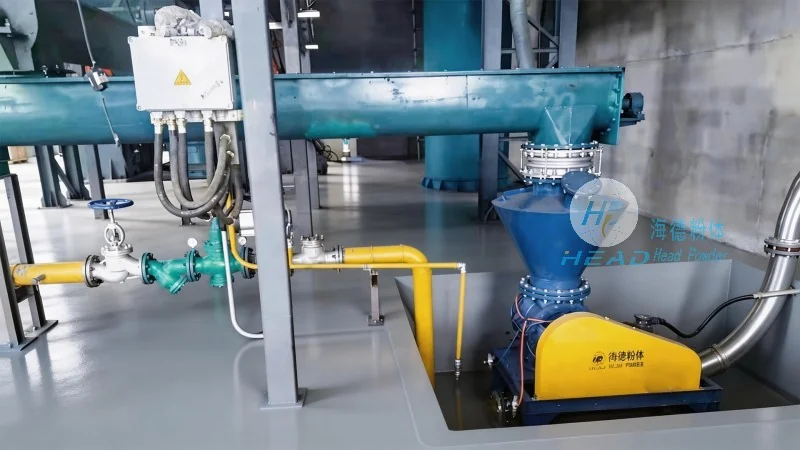
At the heart of many industrial material handling processes lies the PTFE pneumatic conveying system, a technology that enables the efficient movement of powders, granules, and other particulate materials without direct contact with mechanical components. Developed by Shandong HeadPowder Engineering Co., Ltd., a leading manufacturer based in China, these systems leverage the unique properties of PTFE to address challenges common in traditional conveying methods, such as material degradation, equipment corrosion, and operational inefficiencies.
PTFE, commonly known as Teflon, is renowned for its exceptional chemical inertness, high temperature resistance (up to 260°C), and low coefficient of friction. These characteristics make it an ideal material for constructing the internal components of pneumatic conveying systems, including pipes, valves, and ducts. By using PTFE, manufacturers can ensure that the equipment remains unaffected by aggressive chemicals, extreme temperatures, or abrasive materials, thereby extending its service life and maintaining the integrity of the conveyed products. The material's non-stick surface also minimizes material buildup and reduces the risk of clogging, which are critical factors in maintaining consistent operational performance.
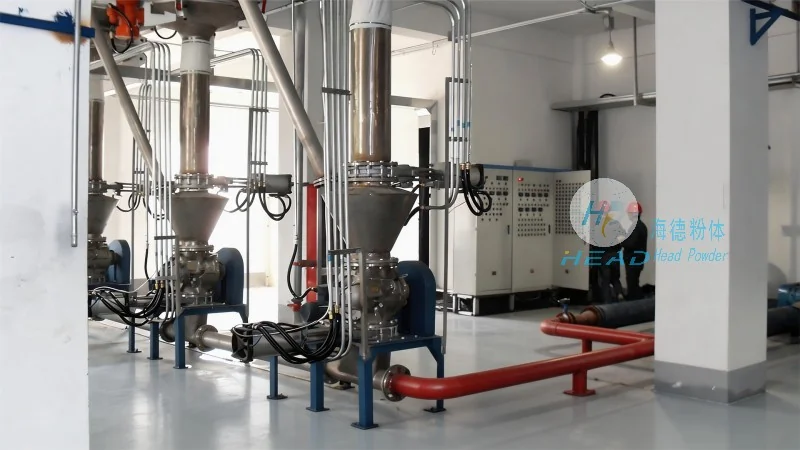
The design of PTFE pneumatic conveying systems is governed by several key principles that ensure optimal performance and reliability. First, the system must effectively generate and control the airflow to achieve the desired conveying velocity and pressure. This is typically accomplished through the use of high-efficiency blowers or compressors that can maintain consistent air pressure, preventing material deposition and ensuring smooth material flow. Second, the system's piping and ductwork are engineered to minimize pressure losses and maintain uniform airflow distribution. PTFE's smooth surface reduces friction, allowing for longer conveying distances with less energy consumption. Third, the system incorporates appropriate material handling components, such as feeders, cyclones, and separation units, which are designed to handle the specific characteristics of the conveyed materials, including particle size, density, and moisture content. The integration of these components ensures that the system can handle a wide range of materials while maintaining efficiency and safety.
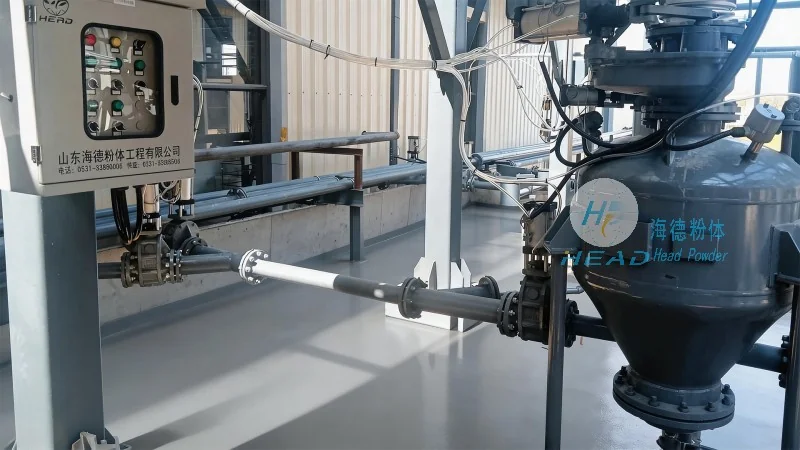
PTFE pneumatic conveying systems from Shandong HeadPowder Engineering Co., Ltd. are widely applied across various industries where material handling demands high standards of purity and durability. In the chemical industry, these systems are used to transport corrosive powders and liquids, such as acids and solvents, without risk of contamination or equipment damage. The pharmaceutical sector benefits from PTFE systems due to their ability to maintain sterile conditions and prevent cross-contamination, ensuring compliance with stringent regulatory requirements. Additionally, in the food and beverage industry, PTFE equipment is employed to handle sensitive ingredients, such as spices and powders, while preserving their quality and flavor. The versatility of PTFE systems also makes them suitable for applications in the mining, cement, and agricultural sectors, where bulk materials are transported over long distances or in harsh environments.
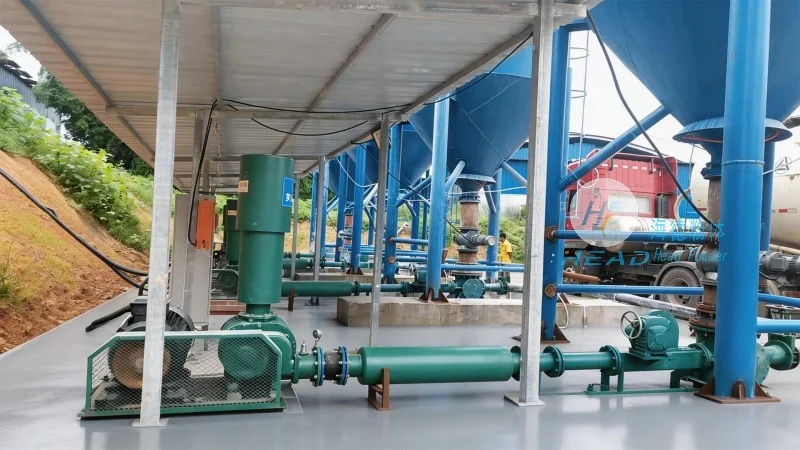
Compared to traditional materials like metal or plastic, PTFE offers several technical advantages that enhance the performance and longevity of pneumatic conveying systems. One of the most significant advantages is its resistance to chemical attack, which eliminates the need for frequent maintenance or replacement of components exposed to aggressive substances. This not only reduces operational costs but also minimizes downtime. Another key advantage is PTFE's low friction coefficient, which reduces energy consumption and extends the lifespan of the system's internal parts. The material's thermal stability allows the system to operate in a wide range of temperatures, from cryogenic to high-temperature environments, without degradation. Furthermore, PTFE's non-stick surface prevents material adhesion, reducing the risk of clogging and ensuring consistent material flow. These technical benefits make PTFE systems a preferred choice for industries that require reliable, low-maintenance, and high-performance material handling solutions.
Shandong HeadPowder Engineering Co., Ltd., with its headquarters in China, specializes in providing customized PTFE pneumatic conveying systems tailored to the specific needs of its clients. The company's engineering team works closely with customers to understand their operational requirements, material characteristics, and environmental conditions, then designs and manufactures systems that meet or exceed industry standards. Whether it's a small-scale system for laboratory use or a large-scale system for industrial production, HeadPowder offers solutions that are optimized for efficiency, safety, and durability. The company's commitment to quality and innovation ensures that its PTFE systems are built to last, providing reliable performance and minimizing maintenance requirements. With a focus on customer satisfaction and technical excellence, Shandong HeadPowder Engineering Co., Ltd. continues to be a trusted partner for businesses seeking advanced material handling solutions.

 Shandong Headpowder Engineering Co., Ltd.
 156-6277-7102(Manager Zhang)
  0531-83386006
  Zhangqiu District, Jinan City, Shandong Province, China
telephone
WeChatconsult
top