With more than 10‑year industry experience, Shandong Headpowder delivers full‑service pneumatic‑conveying systems and blowers, undertaking nationwide turn‑key powder‑handling projects.
Shandong HeadPowder Engineering Co., Ltd., a leading enterprise in the field of pneumatic conveying technology, specializes in the design, manufacturing, and application of advanced automatic quantitative material conveying systems. The company, commonly known as headpowder, is headquartered in Shandong, China, and has established a strong reputation for delivering high-efficiency, reliable, and cost-effective solutions for material handling in various industrial sectors. This article provides a detailed overview of the operation process and working principle of the automatic quantitative material pneumatic conveying system, highlighting its key components, operational workflow, and technical advantages.
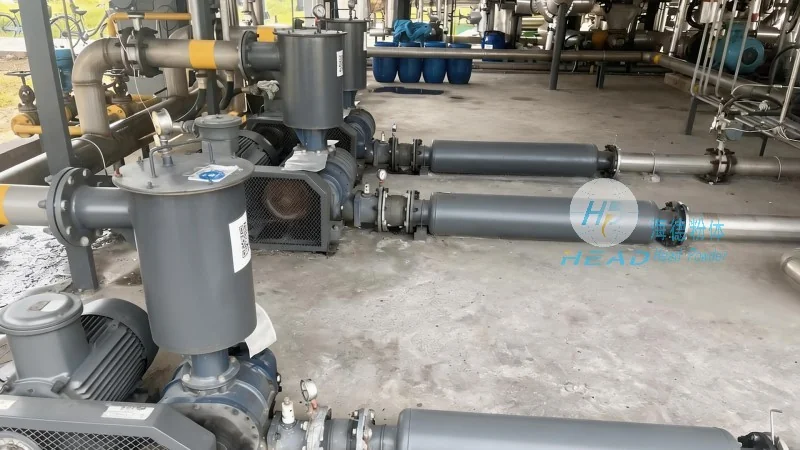
The automatic quantitative material pneumatic conveying system consists of several core components that work in tandem to ensure efficient and precise material transfer. These components include the material feeding unit, the pneumatic conveying pipeline, the quantitative control device, the air supply system, and the receiving hopper. Each component plays a crucial role in the overall functionality of the system, contributing to the seamless and accurate handling of bulk materials. The material feeding unit is responsible for supplying the material to be conveyed, while the quantitative control device ensures that the material is delivered in precise, pre-set quantities. The pneumatic conveying pipeline, often equipped with special materials to prevent material buildup and corrosion, transports the material from the feeding point to the receiving point. The air supply system provides the necessary pressure and flow of air to move the material through the pipeline, and the receiving hopper collects the conveyed material in a controlled manner.
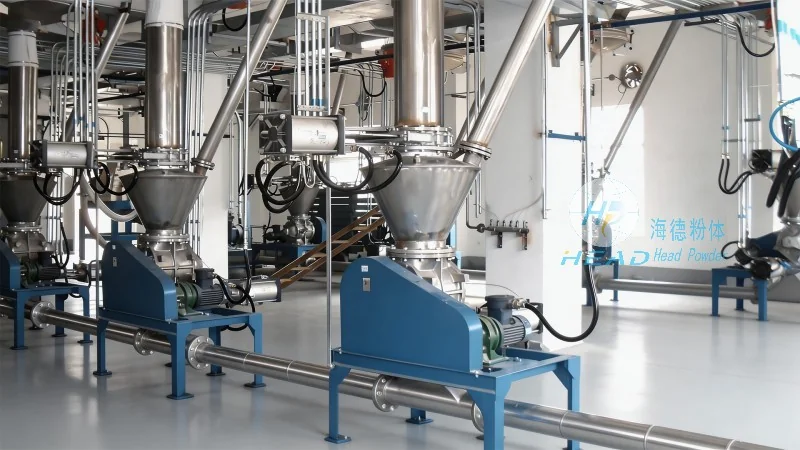
The operation of the automatic quantitative material pneumatic conveying system follows a systematic and automated workflow. The process begins with the material being fed into the system through the feeding unit. The quantitative control device then measures and regulates the flow of material, ensuring that the desired amount is conveyed at each step. Simultaneously, the air supply system generates the required air pressure and flow rate, which propels the material through the conveying pipeline. As the material travels through the pipeline, it is mixed with the air, forming a dense or dilute phase depending on the system design. The system is equipped with sensors and control mechanisms that monitor the material flow and air pressure, adjusting parameters in real-time to maintain optimal performance. The receiving hopper collects the material as it exits the pipeline, and the system can be configured to stop or start based on the material level or other set conditions. This automated process minimizes human intervention, reduces operational errors, and enhances overall efficiency in material handling.
The working principle of the automatic quantitative material pneumatic conveying system is based on the principles of fluid dynamics and pneumatic transport. The system utilizes compressed air to create a pressure differential that moves the material through the pipeline. In the dense phase conveying mode, the material is conveyed as a solid plug, with the air flowing around it, while in the dilute phase mode, the material is suspended in the air stream and transported as a mixture. The quantitative control device operates by measuring the material flow rate using sensors such as flow meters or weight sensors, and adjusts the air flow or material feed rate to maintain the desired quantity. The system's control system, typically a programmable logic controller (PLC), coordinates the operation of all components, ensuring that the material is conveyed accurately and consistently. The pneumatic conveying pipeline is designed with appropriate bends, valves, and filters to prevent material deposition and maintain the system's efficiency. The receiving hopper is equipped with level sensors to monitor the material level and trigger the system to stop when the target level is reached. This integrated approach ensures that the system operates reliably and efficiently, meeting the precise material handling requirements of various industrial applications.
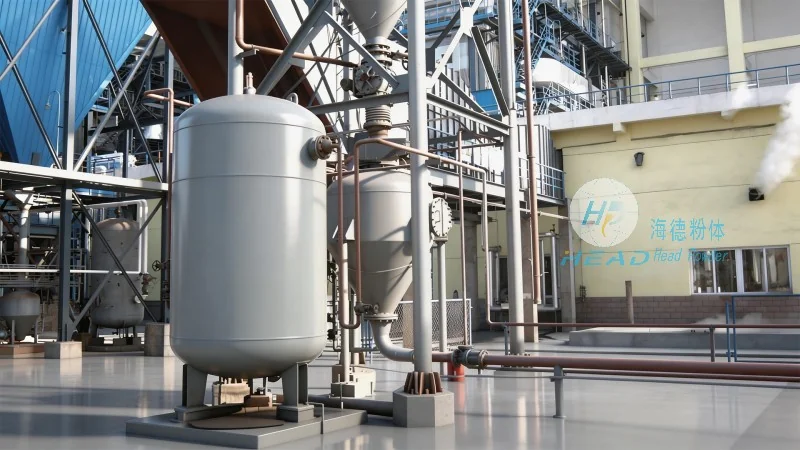
The automatic quantitative material pneumatic conveying system developed by Shandong HeadPowder Engineering Co., Ltd. offers several technical advantages that make it suitable for a wide range of industrial applications. These advantages include high conveying efficiency, precise quantitative control, low maintenance requirements, and the ability to handle a variety of materials, including powders, granules, and bulk solids. The system is particularly effective in industries such as food processing, pharmaceuticals, chemicals, and mining, where the handling of bulk materials requires accuracy, hygiene, and reliability. The automated operation reduces labor costs and minimizes the risk of material contamination, while the modular design allows for easy integration into existing production lines. The system's ability to handle different material types and sizes makes it a versatile solution for various material handling challenges. Overall, the automatic quantitative material pneumatic conveying system represents a significant advancement in industrial material handling technology, providing efficient and reliable solutions for modern manufacturing and processing needs.

 Shandong Headpowder Engineering Co., Ltd.
 156-6277-7102(Manager Zhang)
  0531-83386006
  Zhangqiu District, Jinan City, Shandong Province, China
telephone
WeChatconsult
top