With more than 10‑year industry experience, Shandong Headpowder delivers full‑service pneumatic‑conveying systems and blowers, undertaking nationwide turn‑key powder‑handling projects.
Shandong HeadPowder Engineering Co., Ltd., a leading enterprise in the field, specializes in the design, manufacturing, and application of advanced pneumatic conveying systems tailored for carbon powder materials. This article provides a detailed overview of the operation process and working principles of such systems, highlighting the technical aspects and practical applications that ensure efficient material handling in industrial settings.
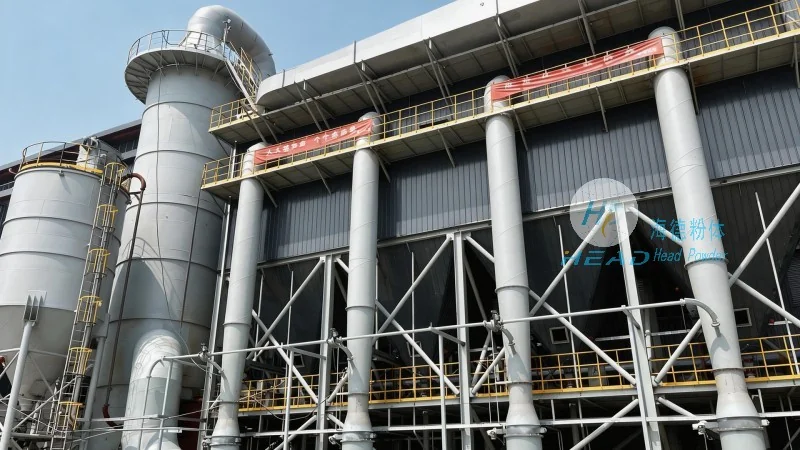
The pneumatic conveying system for carbon powders typically consists of several core components that work in concert to achieve seamless material transport. These components include a dust collector, a material hopper, a conveying pipeline, a control valve, and a discharge outlet. Each component plays a crucial role in maintaining the system's efficiency and reliability. The material hopper is designed to store the carbon powder, ensuring a consistent feed rate. The dust collector is essential for maintaining air quality and preventing dust contamination in the surrounding environment. The conveying pipeline, often made of high-quality materials like stainless steel or plastic, is engineered to withstand the abrasive nature of carbon powders and maintain low pressure drop during operation.
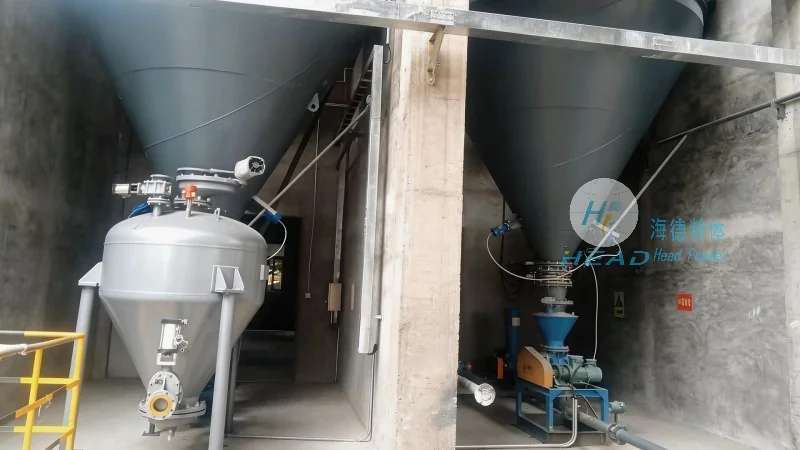
The operation of the carbon powder pneumatic conveying system is based on the principle of air flow and pressure differential. The system initiates by drawing air from the environment or using a dedicated air compressor to create a flow within the pipeline. As the air moves through the pipeline, it carries the carbon powder particles, forming a suspension. The control valve regulates the air flow and pressure, ensuring that the material is transported at an optimal velocity without causing excessive wear on the system components. The discharge outlet is strategically positioned to deliver the carbon powder to the target location, such as a processing unit or storage silo. The entire process is automated, with sensors and control systems monitoring parameters like pressure, flow rate, and material level to maintain consistent performance.
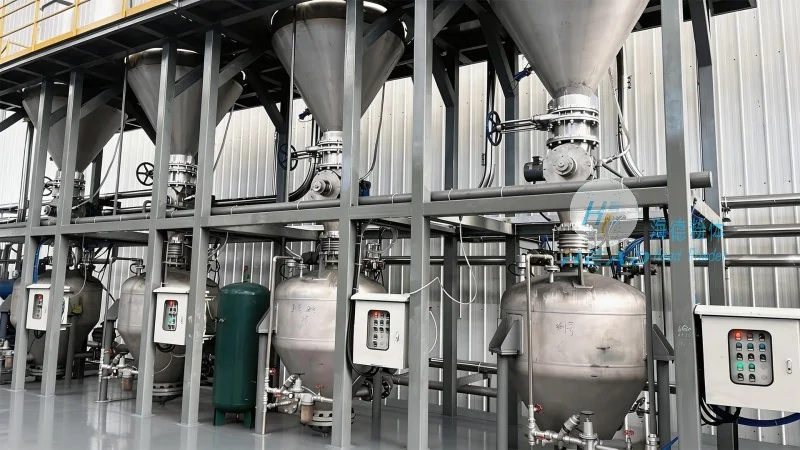
The operation process of the carbon powder pneumatic conveying system involves several sequential steps that ensure smooth and continuous material handling. First, the carbon powder is loaded into the material hopper. The system then activates the air compressor, which generates the necessary airflow to initiate the conveying process. The control valve adjusts the air pressure and flow rate based on the material feed rate and pipeline length. As the carbon powder is fed into the pipeline, it is suspended by the air flow and transported to the discharge point. The system continuously monitors the pressure and flow parameters to detect any deviations and adjust the operation accordingly. The dust collector operates in parallel, capturing any fine particles that may escape the pipeline, ensuring environmental compliance and product purity. The entire process is designed to be energy-efficient and low-maintenance, with regular maintenance schedules to prolong the system's lifespan.
Implementing a pneumatic conveying system for carbon powder materials offers several significant advantages over traditional methods like belt conveyors or manual handling. Firstly, it provides a dust-free and hygienic environment, which is critical for maintaining product quality and compliance with industrial standards. The system also eliminates the need for mechanical contact with the material, reducing the risk of contamination and product degradation. Additionally, pneumatic conveying systems are highly flexible, allowing for changes in material flow direction and destination without significant modifications to the infrastructure. The automated operation reduces labor costs and increases production efficiency, making it an ideal solution for high-volume carbon powder handling applications. Furthermore, the system's compact design saves space in industrial facilities, making it suitable for both new installations and retrofitting existing processes.
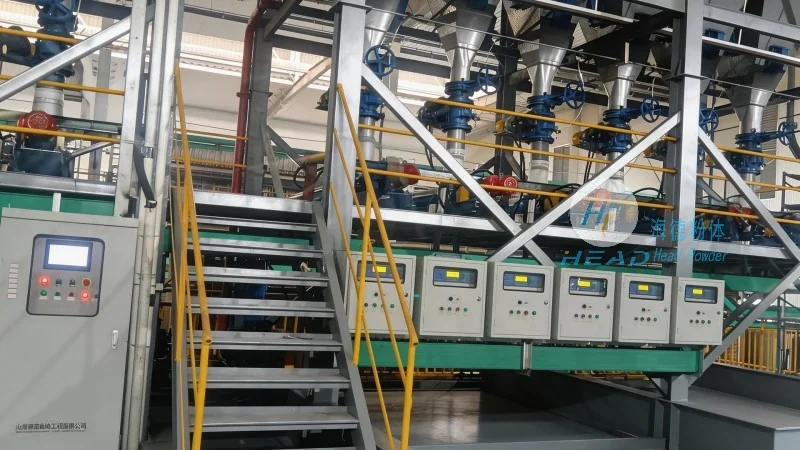
Shandong HeadPowder Engineering Co., Ltd. has successfully implemented pneumatic conveying systems for various carbon powder applications, including graphite, carbon black, and activated carbon. For instance, in a graphite processing plant, the system efficiently transported graphite powder from the storage silo to the grinding and mixing units, achieving a 20% increase in production throughput compared to traditional methods. Another case involved a carbon black manufacturing facility where the system minimized dust emissions and improved material handling speed, leading to cost savings and enhanced operational safety. These examples demonstrate the versatility and effectiveness of the pneumatic conveying systems in diverse industrial applications, highlighting the expertise of HeadPowder in providing tailored solutions for carbon powder material handling.

 Shandong Headpowder Engineering Co., Ltd.
 156-6277-7102(Manager Zhang)
  0531-83386006
  Zhangqiu District, Jinan City, Shandong Province, China
telephone
WeChatconsult
top