With more than 10‑year industry experience, Shandong Headpowder delivers full‑service pneumatic‑conveying systems and blowers, undertaking nationwide turn‑key powder‑handling projects.
Aluminum dross, a byproduct of aluminum smelting and processing, poses significant challenges in handling and transportation due to its high moisture content, abrasive nature, and tendency to agglomerate. To address these challenges, specialized pneumatic conveying equipment has been developed to efficiently transport aluminum dross from production sites to processing or disposal facilities. This article explores the functionality of such equipment and delves into its core design principles, highlighting the engineering solutions that enable effective and reliable dross handling.
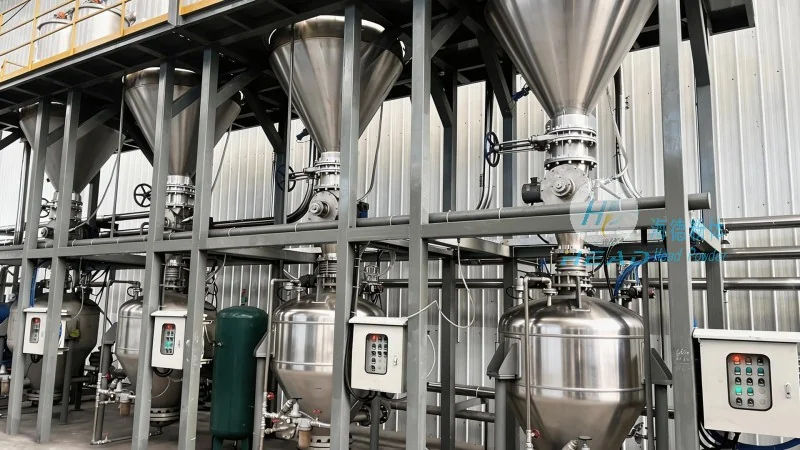
Aluminum dross is a solid waste material that forms during the melting, casting, and recycling of aluminum. It typically consists of a mixture of aluminum metal, oxides, and other impurities, often with a high moisture level and a sticky or clumpy texture. The characteristics of aluminum dross make it difficult to handle using conventional methods like belt conveyors or bucket elevators, as these systems may suffer from blockages, wear, and reduced efficiency. Pneumatic conveying offers a solution by using air to transport the material in a fluidized state, minimizing the risk of material degradation and equipment damage.
The pneumatic conveying system for aluminum dross typically consists of several key components that work in tandem to ensure efficient material transport. These components include a hopper or feed hopper for material storage and feeding, a rotary valve or feeder to control the flow rate of dross into the system, a conveying pipeline that transports the material, a pressure or vacuum source to move the material through the pipeline, and a receiver or discharge hopper at the destination. Each component is designed to handle the specific properties of aluminum dross, such as its abrasive nature and tendency to clog, ensuring reliable operation.
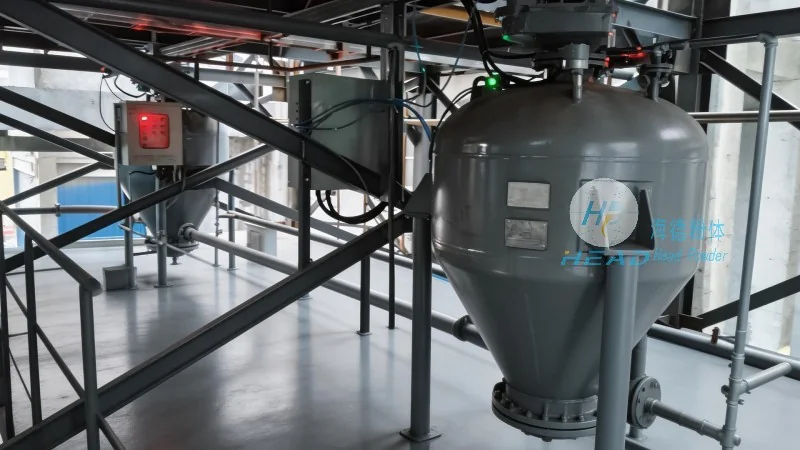
The design of pneumatic conveying equipment for aluminum dross is guided by several key principles aimed at maximizing efficiency, minimizing wear, and ensuring safe operation. One of the primary principles is the selection of appropriate air velocity and pressure to achieve the desired conveying rate while preventing material deposition or blockage in the pipeline. Engineers must consider the particle size distribution, density, and moisture content of the dross to determine the optimal air velocity, typically ranging from 20 to 30 meters per second for high-capacity systems. Additionally, the pipeline diameter and material are critical factors; larger diameters reduce friction losses and wear, while corrosion-resistant materials like stainless steel are essential to withstand the abrasive nature of aluminum dross.
Effective feeding is a critical aspect of aluminum dross pneumatic conveying, as improper feeding can lead to uneven material flow or blockages. The system often includes a conditioning unit, such as a pre-drying or pre-mixing device, to reduce moisture content and break up agglomerates before feeding. This conditioning step improves the flowability of the dross and reduces the risk of pipeline clogging. Rotary valves are commonly used as feeders due to their ability to handle abrasive materials and provide a controlled, consistent flow rate. The design of the hopper and feeder also plays a role, with features like inclined walls and smooth surfaces to minimize material buildup and ensure smooth discharge.
Modern pneumatic conveying systems for aluminum dross are equipped with advanced control and monitoring systems to ensure reliable operation and prevent downtime. These systems may include pressure sensors to monitor pipeline pressure, flow meters to track material throughput, and alarm systems to alert operators of abnormal conditions such as blockages or pressure drops. The control system can adjust the air pressure or flow rate in real-time based on the material feed rate, maintaining optimal conveying conditions. Additionally, the use of automated valves and actuators allows for precise control of the feeding and discharge processes, enhancing the overall efficiency and safety of the system.
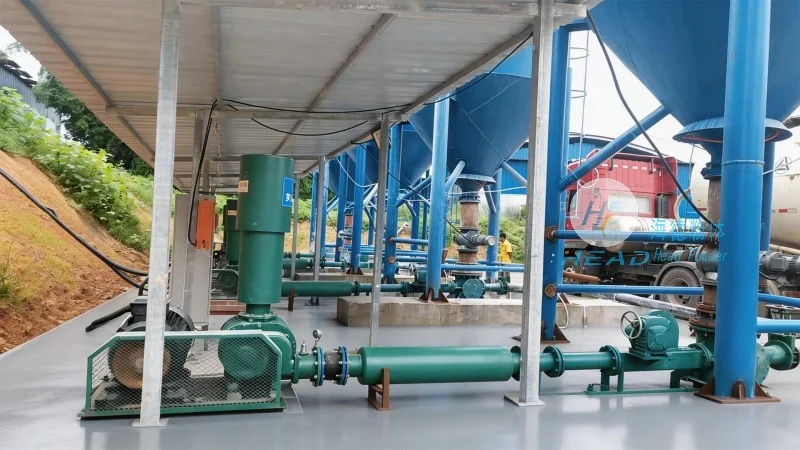
The pneumatic conveying equipment for aluminum dross is widely used in aluminum smelting plants, recycling facilities, and processing centers to transport dross from collection points to processing units or disposal sites. The primary benefits of this technology include high conveying capacity, reduced labor costs, and improved safety compared to manual handling methods. By eliminating the need for manual handling of abrasive and potentially hazardous dross, the system minimizes the risk of worker injuries and exposure to harmful materials. Additionally, the enclosed nature of the pneumatic system prevents dust emissions, contributing to a cleaner and safer working environment. The efficiency of the system also reduces energy consumption and operational costs, making it a cost-effective solution for dross handling.
Pneumatic conveying equipment for aluminum dross is a specialized and effective solution for handling the challenging properties of aluminum dross. Through careful design and engineering, these systems ensure reliable and efficient transport of dross, minimizing wear on equipment and reducing the risk of blockages. The integration of advanced control and monitoring systems further enhances the reliability and safety of the operation. As the aluminum industry continues to grow, the demand for efficient dross handling solutions will remain high, making pneumatic conveying equipment a critical component in modern aluminum processing facilities. Shandong HeadPowder Engineering Co., Ltd., a leading manufacturer in this field, specializes in designing and manufacturing high-quality pneumatic conveying systems tailored to the specific needs of aluminum dross handling, providing reliable and efficient solutions for clients in China and beyond.

 Shandong Headpowder Engineering Co., Ltd.
 156-6277-7102(Manager Zhang)
  0531-83386006
  Zhangqiu District, Jinan City, Shandong Province, China
telephone
WeChatconsult
top