

Operation Process and Working Principle of Bauxite Material Conveying Lines
HeadPowder, a leading engineering firm based in Shandong, China, specializes in the design, manufacturing, and installation of advanced material handling systems, including bauxite material conveying lines. This article provides a detailed overview of the operation process and working principle of such systems, highlighting the key components and operational dynamics that ensure efficient bauxite transport.
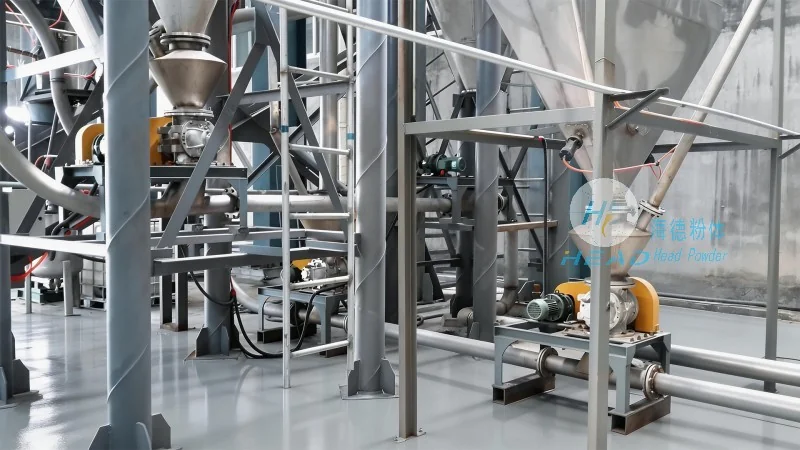
Introduction to Bauxite Material Conveying Lines
Bauxite, the primary ore for aluminum production, requires robust and reliable conveying systems to move it from mining sites to processing facilities. The bauxite material conveying line is a critical component of the overall ore handling infrastructure, designed to handle large volumes of raw bauxite with minimal downtime and maximum efficiency. At HeadPowder, we develop customized solutions tailored to the specific needs of our clients, ensuring that each conveying line is optimized for the unique characteristics of the bauxite being transported.
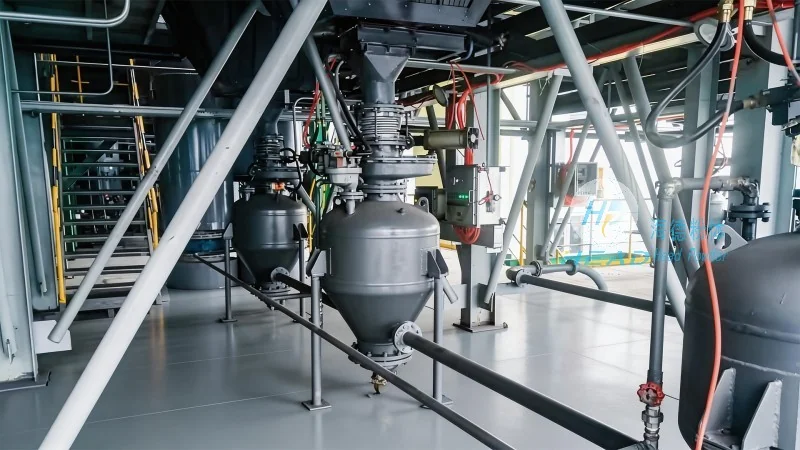
Key Components of Bauxite Material Conveying Lines
The bauxite material conveying line typically consists of several interconnected components that work in tandem to transport the ore. The main elements include feeders, conveyors (such as belt conveyors or screw conveyors), transfer points, and control systems. Each component plays a vital role in the overall operation:
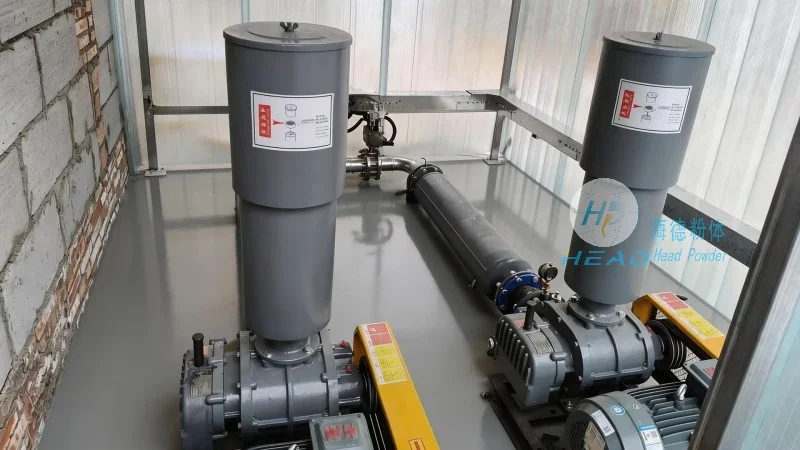
- Feeders: These devices are responsible for uniformly feeding bauxite into the conveyor system, preventing overloading and ensuring consistent flow rates. Feeders can be designed as belt feeders, vibratory feeders, or rotary valves, depending on the specific requirements of the application.
- Belt Conveyors: The most common type of conveyor used in bauxite handling, belt conveyors utilize a continuous belt to transport the ore over a series of rollers. The belt is typically made of durable materials like rubber or synthetic fabrics, capable of withstanding the abrasive nature of bauxite. The conveyor system is designed to handle heavy loads and maintain a steady speed, minimizing the risk of material spillage or blockages.
- Screw Conveyors: In some cases, screw conveyors are used for vertical or inclined transport of bauxite. These systems use a rotating screw to push the material forward, making them ideal for applications where space is limited or where the material needs to be elevated. Screw conveyors are particularly effective for handling fine or powdery bauxite fractions.
- Transfer Points: Transfer points are critical junctions where the bauxite is moved from one conveyor to another or to a processing unit. These points are equipped with impact beds and sealing mechanisms to prevent material loss and ensure smooth transitions. Proper design of transfer points is essential to maintain the integrity of the material and avoid damage to the conveyor components.
- Control Systems: Modern bauxite material conveying lines are equipped with advanced control systems that monitor and regulate the operation of the entire system. These systems include sensors for level, speed, and temperature, as well as control panels that allow operators to adjust the conveyor speed, feed rate, and other parameters in real-time. The control systems are designed to enhance safety, improve efficiency, and minimize maintenance requirements.
The Working Principle of Bauxite Material Conveying Lines
The operation of a bauxite material conveying line is based on the principle of continuous material transport. The process begins with the bauxite being fed into the system by the feeder. The material is then conveyed along the belt or screw, moving from the intake point to the discharge point. At each transfer point, the material is redirected to the next section of the conveyor, ensuring a seamless flow. The control system continuously monitors the system's performance, adjusting the speed and feed rate as needed to maintain optimal operation. This closed-loop control system ensures that the conveying line operates efficiently, with minimal waste and maximum throughput.
Operation Process of Bauxite Material Conveying Lines
The operation process of a bauxite material conveying line involves several steps that are carried out in a sequential manner. The process starts with the preparation of the bauxite ore, which may include crushing and screening to achieve the desired particle size. The prepared ore is then fed into the conveying system using the feeder. The conveyor then transports the ore to the processing facility, where it is further processed into aluminum or other products. The entire process is monitored by the control system, which ensures that the conveyor operates within the specified parameters. The operation process is designed to be automated to the extent possible, reducing the need for manual intervention and minimizing the risk of human error.
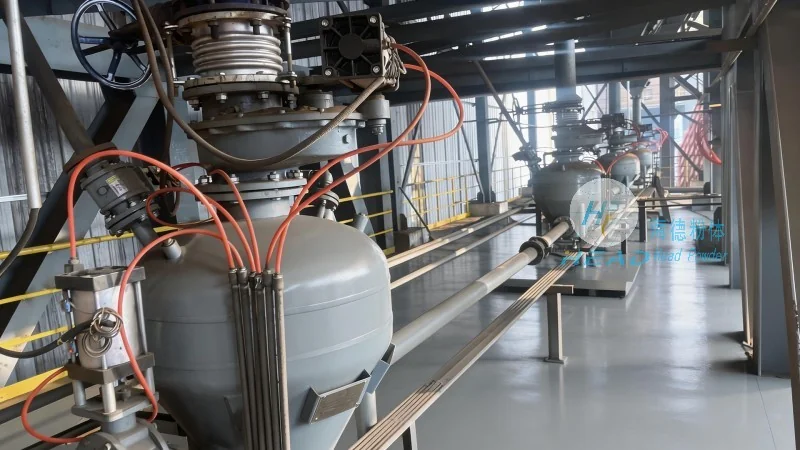
Efficiency and Maintenance Considerations
Efficiency is a key factor in the operation of bauxite material conveying lines. The system is designed to minimize energy consumption and maximize throughput. Regular maintenance is essential to ensure that the conveying line operates at peak efficiency. HeadPowder provides comprehensive maintenance services, including routine inspections, component replacement, and system upgrades. Our team of experienced engineers and technicians is trained to handle all aspects of conveyor maintenance, ensuring that the system remains in optimal condition. By following proper maintenance procedures, the conveying line can achieve long service life and minimal downtime, resulting in significant cost savings for the client.