With more than 10‑year industry experience, Shandong Headpowder delivers full‑service pneumatic‑conveying systems and blowers, undertaking nationwide turn‑key powder‑handling projects.
Understanding PVC Resin Pneumatic Conveying: Classification and Practical Applications
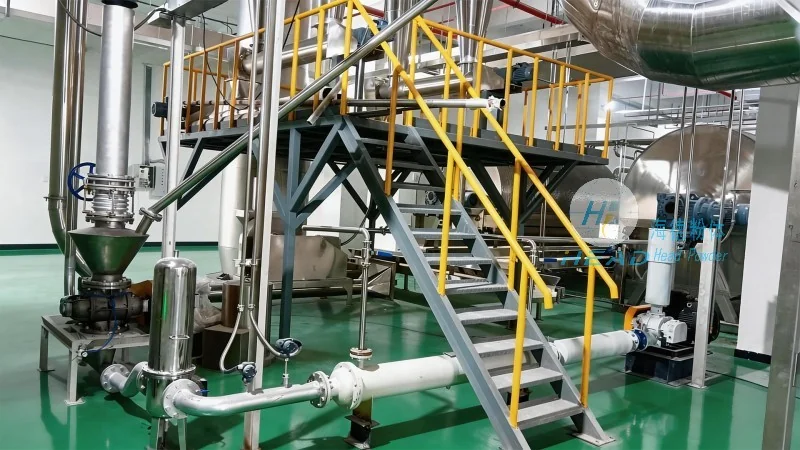
PVC resin pneumatic conveying is a specialized method used for the transport of PVC resin particles through a pipeline using air as the conveying medium. This technology is integral to the efficient handling and processing of PVC resin in industrial settings. The process involves the creation of a flow of air within a pipeline, which then propels the PVC resin particles from the source to the destination. Such systems are designed to handle the unique characteristics of PVC resin, including its particle size, density, and flow properties, ensuring reliable and consistent material transfer. Companies like Shandong HeadPowder Engineering Co., Ltd. specialize in designing and implementing these systems to meet the diverse needs of the PVC industry.
The effectiveness of PVC resin pneumatic conveying systems relies on several critical components. These include the air compressor or blower, which generates the necessary air pressure; the conveying pipeline, which transports the resin; and the control valves and regulators that manage the air flow and pressure. Additionally, material feeders, such as hoppers or screw feeders, are used to introduce the PVC resin into the system, while cyclones or filters are employed to separate the resin from the air at the receiving end. The integration of these components ensures the smooth operation of the conveying process, minimizing material loss and optimizing energy efficiency.
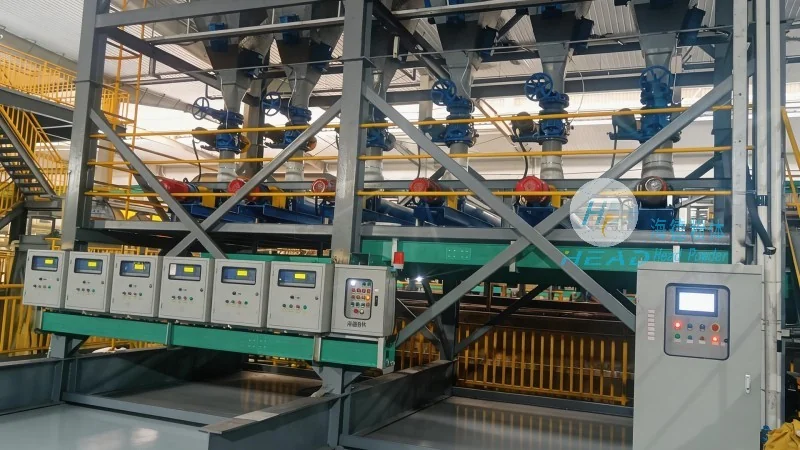
Pneumatic conveying systems for PVC resin can be broadly classified into two main types: positive pressure systems and negative pressure systems. Positive pressure systems operate by forcing air and resin particles through the pipeline, typically using a blower or compressor at the discharge end. This method is often preferred for applications requiring high material throughput and long-distance transport. Negative pressure systems, on the other hand, create a vacuum at the receiving end, drawing the resin particles and air into the pipeline. This approach is commonly used for applications involving fine powders or where dust control is a priority. Each system type has its advantages and is selected based on factors such as the nature of the PVC resin, the distance of transport, and the required material handling capacity.
PVC resin pneumatic conveying is widely utilized in various industrial applications, particularly in the manufacturing of PVC products. One of the primary applications is in the production of PVC pipes, where the resin is conveyed from storage silos to processing lines. This ensures a continuous and efficient supply of raw material, reducing downtime and improving production throughput. Additionally, the technology is employed in the manufacturing of PVC sheets, profiles, and other plastic products, where the consistent transfer of resin is crucial for maintaining product quality and uniformity. In the chemical and plastic processing industries, pneumatic conveying systems also facilitate the transfer of PVC resin between different processing stages, such as from drying to mixing or from mixing to extrusion. This helps streamline production processes and enhance overall operational efficiency.
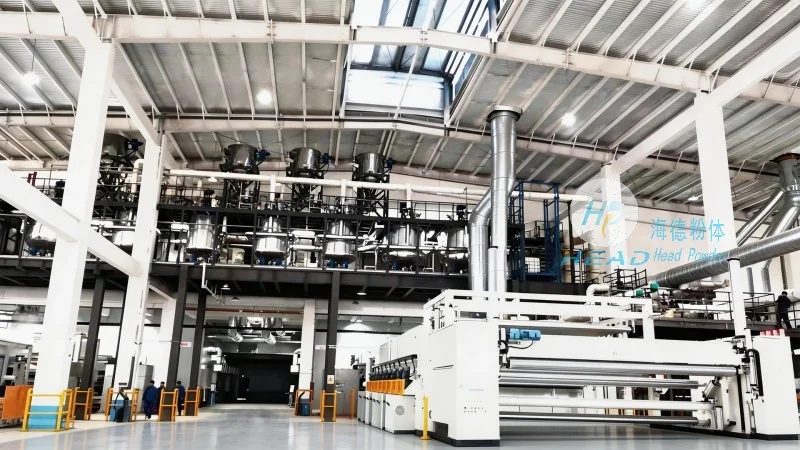
Implementing PVC resin pneumatic conveying systems offers several advantages over traditional bulk material handling methods. One of the key benefits is the ability to handle PVC resin in a dust-free environment, which improves workplace safety and reduces the risk of respiratory issues associated with fine powders. The systems also provide a high degree of flexibility, allowing for the transport of PVC resin over long distances and through complex layouts without the need for multiple transfer points. Furthermore, pneumatic conveying systems can handle a wide range of particle sizes and densities, making them suitable for various types of PVC resin. The technology also contributes to energy efficiency by optimizing air flow and pressure, reducing operational costs over time. These advantages make PVC resin pneumatic conveying an attractive solution for industries seeking reliable, efficient, and safe material handling solutions.
PVC resin pneumatic conveying is a vital technology in the handling and processing of PVC resin, offering efficient and reliable material transport solutions. By understanding the classification and applications of pneumatic conveying systems, industries can select the most appropriate method for their specific needs. The integration of advanced components and systems, as offered by companies like Shandong HeadPowder Engineering Co., Ltd., ensures that PVC resin is handled with precision and care, supporting the production of high-quality PVC products. With its benefits in safety, efficiency, and flexibility, pneumatic conveying remains a cornerstone of modern industrial material handling.

 Shandong Headpowder Engineering Co., Ltd.
 156-6277-7102(Manager Zhang)
  0531-83386006
  Zhangqiu District, Jinan City, Shandong Province, China
telephone
WeChatconsult
top