

What is Zinc Oxide Pneumatic Conveying? Classification and Applications of Pneumatic Conveying
Understanding the fundamentals of zinc oxide pneumatic conveying is crucial for industries that rely on efficient material handling solutions. This article, produced by Shandong HeadPowder Engineering Co., Ltd., a leading provider of bulk material handling systems, delves into the concept of pneumatic conveying, its classification, and practical applications, with a focus on the specialized needs of handling zinc oxide—a critical material in various sectors.
Introduction to Zinc Oxide Pneumatic Conveying
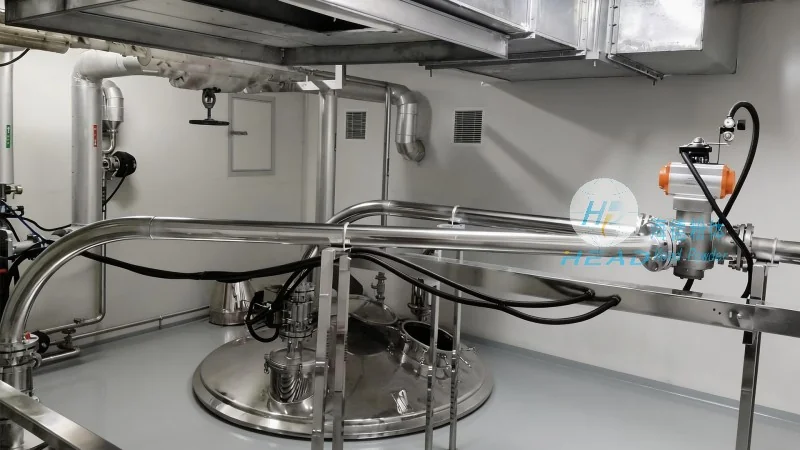
Zinc oxide pneumatic conveying refers to the process of transporting zinc oxide powder through a pipeline using air or other gases as the conveying medium. This method offers a dust-free, flexible, and efficient way to move bulk materials, making it particularly suitable for applications where traditional mechanical conveying may be impractical or inefficient. The system typically consists of a hopper, a conveyor line, and a receiver, with air being drawn or pushed to move the material through the pipeline.
Classification of Pneumatic Conveying Systems
Pneumatic conveying systems are broadly classified into two main categories: aspiration (or suction) systems and pressure (or blow) systems. Each type has distinct characteristics and is suited for different operational requirements.
1. Aspiration (Suction) Pneumatic Conveying
Aspiration systems operate by creating a negative pressure (vacuum) at the material inlet to draw the powder into the pipeline. These systems are ideal for short to medium-distance conveying and low to medium material concentrations. They are commonly used in applications where the material is to be transferred from a hopper or silo to a processing unit, such as in pharmaceutical or food processing industries. The key advantage of aspiration systems is their ability to handle fine powders without the need for high air velocities, reducing the risk of material degradation or clogging.
2. Pressure (Blow) Pneumatic Conveying
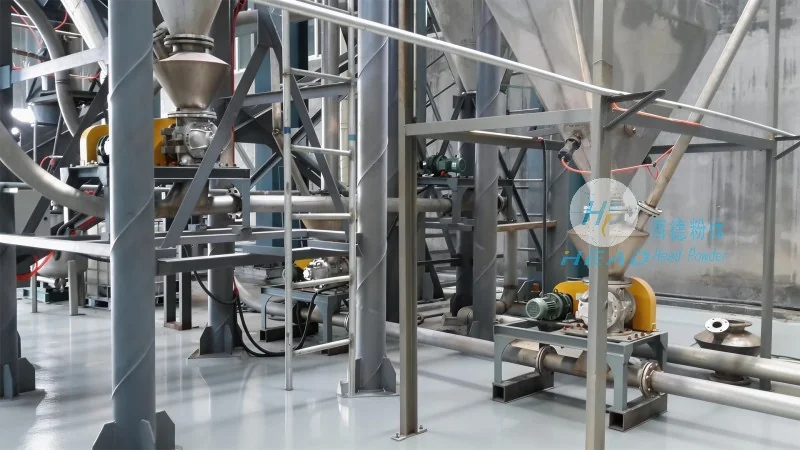
Pressure systems, on the other hand, use positive pressure to push the material through the pipeline. These systems are suitable for longer distances and higher material concentrations compared to aspiration systems. They are often employed in industrial settings where bulk quantities of zinc oxide need to be transported over significant distances, such as from a storage facility to a production plant. Pressure systems can handle a wider range of particle sizes and moisture content, making them versatile for various industrial applications.
Applications of Zinc Oxide Pneumatic Conveying
The application of pneumatic conveying in zinc oxide handling is widespread across multiple industries. In the pharmaceutical industry, for example, zinc oxide is used as an active ingredient in topical medications and cosmetics. Pneumatic conveying ensures that the material is transferred without contamination or loss of quality, which is critical for maintaining product safety and efficacy. Similarly, in the rubber and plastic manufacturing sectors, zinc oxide is a key additive for enhancing the durability and performance of products. The efficient transport of zinc oxide via pneumatic systems helps in optimizing production processes and reducing downtime.
In the food industry, zinc oxide is used as a nutritional supplement and a preservative. Pneumatic conveying systems provide a hygienic and controlled method of handling the powder, ensuring compliance with food safety regulations. The ability to maintain a dust-free environment is particularly important in food processing, as it prevents cross-contamination and maintains product integrity.
Key Considerations for Implementing Zinc Oxide Pneumatic Conveying
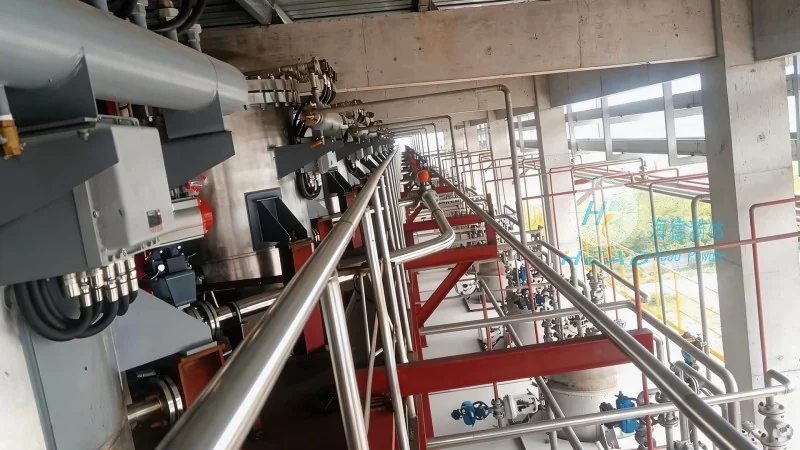
When implementing a pneumatic conveying system for zinc oxide, several factors must be considered to ensure optimal performance and safety. First, the particle size and flow characteristics of the zinc oxide powder are critical. Fine powders may require special equipment, such as cyclone separators or filters, to prevent clogging and maintain system efficiency. Second, the system design must account for the material's moisture content and potential for agglomeration, as these factors can affect the conveying process. Third, the choice between aspiration and pressure systems depends on the specific operational parameters, including distance, material volume, and required air pressure.
Additionally, the system must be designed to handle the potential for dust explosions, which is a significant safety concern in pneumatic conveying. Proper explosion-proof measures, such as spark arrestors and flame arrestors, are essential to ensure the safety of personnel and equipment. Regular maintenance and monitoring of the system are also crucial to prevent performance degradation and ensure long-term reliability.
Conclusion
Zinc oxide pneumatic conveying is a highly effective method for handling this critical material, offering advantages in efficiency, flexibility, and safety. By understanding the classification of pneumatic systems and their applications, industries can select the most appropriate solution for their specific needs. With proper design and maintenance, pneumatic conveying systems can provide reliable and cost-effective material handling solutions for zinc oxide, supporting the production and processing requirements of various sectors.