With more than 10‑year industry experience, Shandong Headpowder delivers full‑service pneumatic‑conveying systems and blowers, undertaking nationwide turn‑key powder‑handling projects.
Understanding the operation process and working principle of fertilizer granular material conveying lines is crucial for optimizing material handling in agricultural and industrial settings. These systems are designed to efficiently transport bulk granular materials, such as fertilizers, from one location to another, ensuring smooth and reliable material flow. The following sections will delve into the key components, operational steps, and technical aspects of these conveying lines, providing a comprehensive overview for professionals in the field.
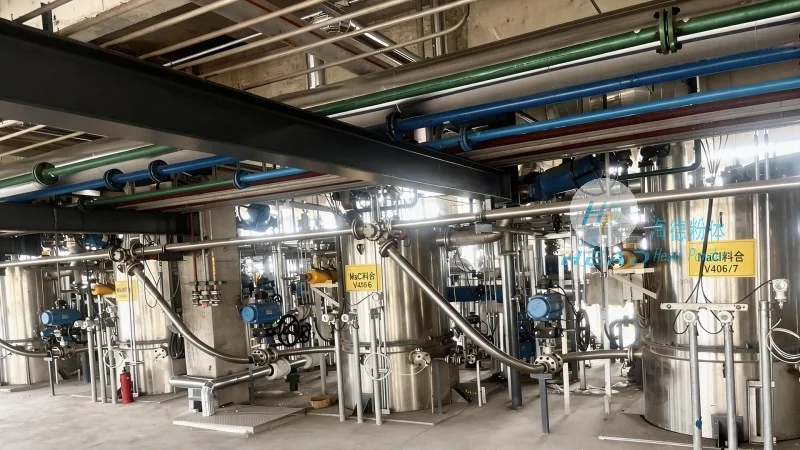
The fertilizer granular material conveying line typically consists of several critical components that work in tandem to ensure efficient material transport. These components include feed hoppers, conveyor belts or screw conveyors, drive mechanisms, control systems, and discharge mechanisms. Each component plays a vital role in the overall functionality of the system. For instance, the feed hopper is responsible for receiving and storing the granular fertilizer, while the conveyor system (either belt or screw) moves the material along the designated path. The drive mechanism provides the necessary power to operate the conveyor, and the control system allows for precise regulation of the conveying speed and flow rate. Finally, the discharge mechanism ensures that the material is released at the desired location, completing the transport process.
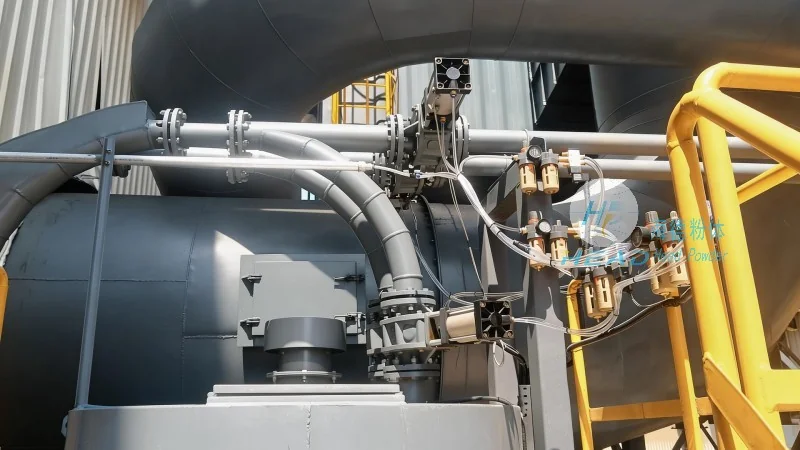
The operation of a fertilizer granular material conveying line involves a series of sequential steps that ensure the smooth and continuous movement of the material. The process begins with the loading of the granular fertilizer into the feed hopper. The hopper is designed to hold a sufficient quantity of material to maintain a consistent flow to the conveyor. Once the material is loaded, the control system activates the drive mechanism, which starts the conveyor. As the conveyor moves, the granular fertilizer is transported from the feed hopper to the discharge point. The speed of the conveyor can be adjusted based on the material characteristics and the required throughput. During the operation, the control system continuously monitors the flow rate and adjusts the conveyor speed as needed to maintain a stable and efficient transport. The discharge mechanism then releases the material into the receiving container or storage area, completing the cycle. This process is typically automated, with minimal human intervention required, ensuring high efficiency and reliability.
The working principle of the fertilizer granular material conveying line is based on mechanical energy transfer and material movement. The primary mechanism involves the use of a conveyor system, which can be either a belt conveyor or a screw conveyor, depending on the specific application and material characteristics. In a belt conveyor system, a continuous belt is driven by a motor, and the granular fertilizer is placed on the belt, which then moves the material along the path. The screw conveyor, on the other hand, uses a rotating screw to push the material forward, which is particularly effective for handling materials with higher moisture content or those that are more cohesive. The control system plays a crucial role in regulating the speed and direction of the conveyor, ensuring that the material is transported at the optimal rate. Additionally, the system may include sensors and monitoring devices to detect any blockages or abnormalities in the material flow, allowing for immediate adjustments to prevent system downtime. The overall working principle is designed to minimize energy consumption while maximizing the throughput of the fertilizer granular material, making it an efficient solution for bulk material handling in agricultural and industrial applications.
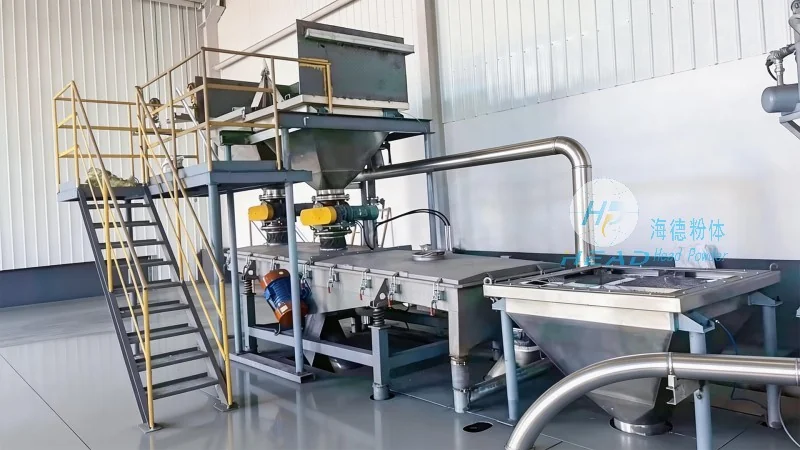
Fertilizer granular material conveying lines are widely used in various applications, including fertilizer production facilities, storage yards, and agricultural farms. These systems offer several benefits, such as increased efficiency in material handling, reduced labor costs, and improved safety in the workplace. By automating the transport process, the conveying line minimizes the need for manual handling of heavy and bulky granular materials, reducing the risk of injuries and accidents. Additionally, the system ensures consistent and uniform material flow, which is essential for maintaining the quality and effectiveness of the fertilizer. The use of conveyor systems also allows for better space utilization, as the material can be transported vertically or horizontally, depending on the layout of the facility. Furthermore, the conveying line can be integrated with other processing equipment, such as mixers or granulators, to create a comprehensive material handling system. Overall, the fertilizer granular material conveying line is a critical component in modern fertilizer production and distribution, providing a reliable and efficient solution for bulk material transport.

 Shandong Headpowder Engineering Co., Ltd.
 156-6277-7102(Manager Zhang)
  0531-83386006
  Zhangqiu District, Jinan City, Shandong Province, China
telephone
WeChatconsult
top