With more than 10‑year industry experience, Shandong Headpowder delivers full‑service pneumatic‑conveying systems and blowers, undertaking nationwide turn‑key powder‑handling projects.
For industrial applications involving the handling and transportation of polyvinyl alcohol formaldehyde (PVOH), the choice of material transport method is critical to efficiency, safety, and cost-effectiveness. Pneumatic conveying systems have emerged as a highly effective solution, offering advantages that traditional methods may lack. This article explores the role of pneumatic conveying in the transportation of PVOH, highlighting its benefits and the technical considerations involved.
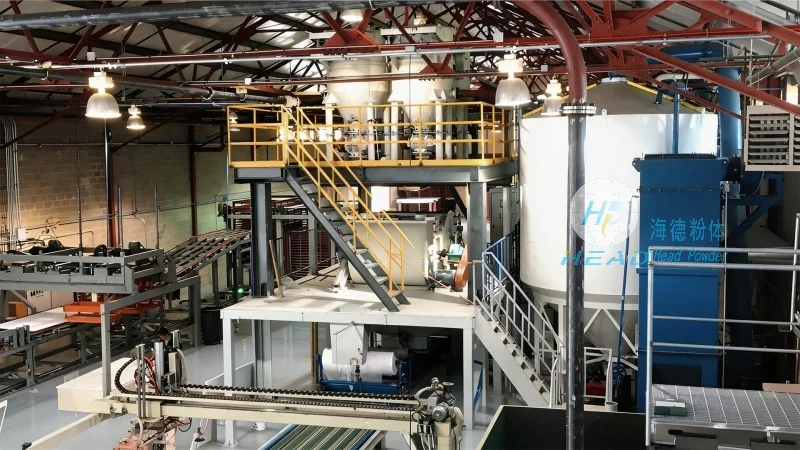
Pneumatic conveying is a process that uses air or other gases to transport bulk materials through a pipeline. Unlike mechanical conveying systems that rely on belts, screws, or buckets, pneumatic systems utilize the force of compressed air to move material from one location to another. This method is particularly suitable for materials that are dusty, sticky, or have varying particle sizes, as it minimizes contact with equipment and reduces the risk of contamination. For PVOH, which is often used in applications requiring high purity and consistent properties, pneumatic conveying helps maintain these characteristics by avoiding direct contact with metal or other surfaces that could introduce impurities.
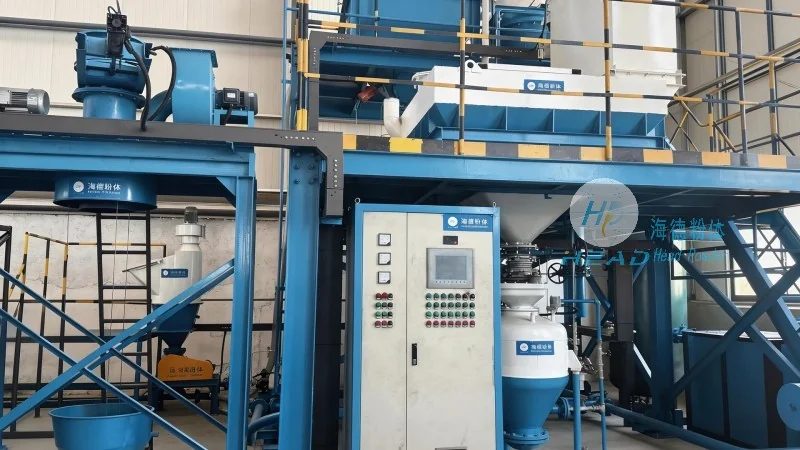
When transporting polyvinyl alcohol formaldehyde, pneumatic conveying offers several key advantages. First, it provides a closed system that prevents dust emissions and environmental contamination, which is essential for maintaining compliance with industrial regulations and ensuring workplace safety. Second, the system allows for precise control over material flow rates, pressure, and temperature, enabling manufacturers to optimize production processes and reduce waste. Third, pneumatic conveying can handle a wide range of PVOH formulations, from low to high molecular weight, without causing degradation or agglomeration. This flexibility is crucial for industries that work with diverse PVOH products, such as adhesives, coatings, and textiles.
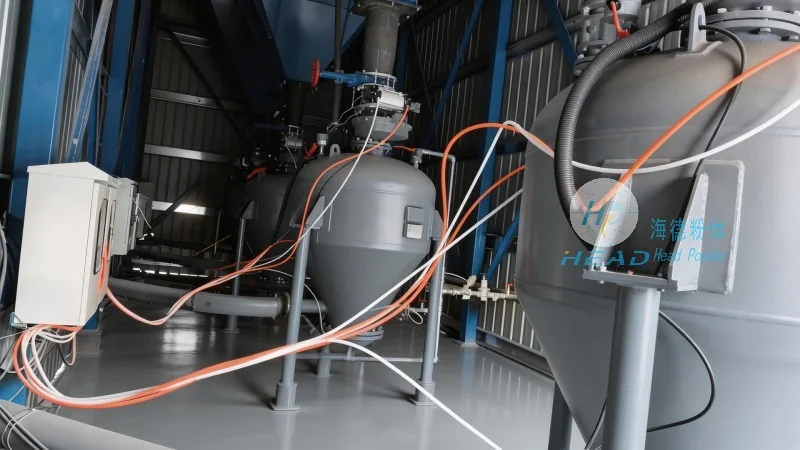
Implementing a pneumatic conveying system for PVOH requires careful consideration of several technical factors. The choice of conveying type—whether dilute phase or dense phase—depends on the material's properties and the distance it needs to travel. Dilute phase systems use low air velocity and are suitable for short distances and low material loads, while dense phase systems use higher air velocity and pressure to move material more efficiently over longer distances. For PVOH, which can be sensitive to high shear forces, dense phase conveying is often preferred as it reduces particle breakage and maintains the material's integrity. Additionally, the design of the pipeline, including the use of bends, elbows, and filters, is critical to prevent blockages and ensure smooth operation. Regular maintenance of the system, including cleaning and inspection of components, is also essential to avoid downtime and maintain performance.
Pneumatic conveying is widely used in various industrial applications involving PVOH. For example, in the production of adhesives, PVOH is often transported from storage silos to mixing tanks using pneumatic systems. This allows for a continuous flow of material, reducing the need for manual handling and improving production efficiency. In the textile industry, PVOH is used as a binder in nonwoven fabrics, and pneumatic conveying helps transport the material from processing units to packaging areas without compromising its quality. Similarly, in the coatings industry, PVOH is used to enhance the properties of paints and varnishes, and pneumatic systems ensure that the material is delivered to the production line in a consistent and controlled manner.
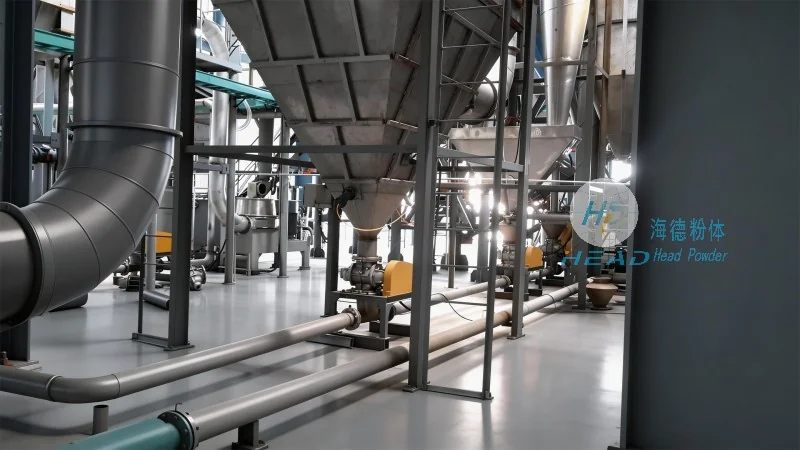
In conclusion, pneumatic conveying plays a vital role in the transportation of polyvinyl alcohol formaldehyde, offering significant benefits in terms of efficiency, safety, and material quality. By leveraging the power of compressed air, these systems provide a reliable and flexible solution for handling PVOH in various industrial applications. As industries continue to demand higher standards of performance and sustainability, the use of pneumatic conveying is likely to become even more prevalent in the handling of PVOH and other similar materials. Companies like Shandong HeadPowder Engineering Co., Ltd., based in China, specialize in designing and manufacturing pneumatic conveying systems tailored to the specific needs of PVOH and other bulk materials, ensuring that manufacturers can optimize their operations and meet the demands of modern production.

 Shandong Headpowder Engineering Co., Ltd.
 156-6277-7102(Manager Zhang)
  0531-83386006
  Zhangqiu District, Jinan City, Shandong Province, China
telephone
WeChatconsult
top