With more than 10‑year industry experience, Shandong Headpowder delivers full‑service pneumatic‑conveying systems and blowers, undertaking nationwide turn‑key powder‑handling projects.
HeadPowder, a leading enterprise in the field of material handling solutions, specializes in providing advanced pneumatic conveying systems for various industrial applications. With a strong presence in Shandong, China, the company has established itself as a reliable partner for businesses seeking efficient and reliable methods to transport glass fiber powders. This article explores the critical role of pneumatic conveying in the transportation of glass fiber powders, highlighting the technical advantages and practical applications of this method.
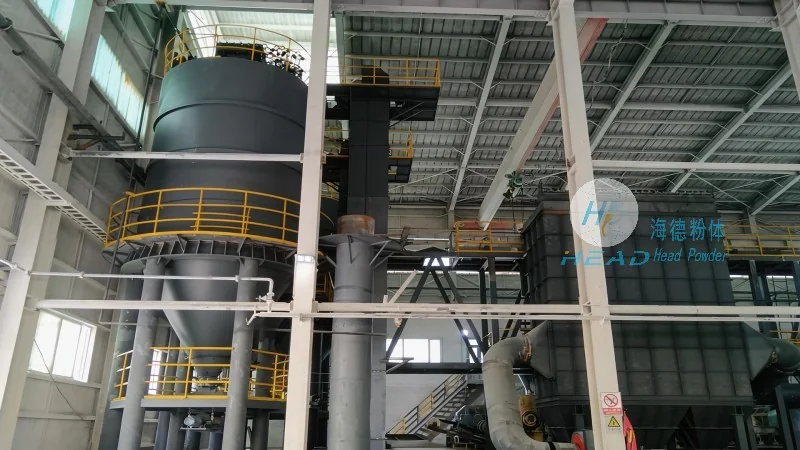
Pneumatic conveying, also known as air conveying, is a technology that uses pressurized air or vacuum to transport bulk materials through a pipeline system. This method is widely used in industries such as food, pharmaceuticals, and chemicals due to its ability to handle a wide range of materials, including fine powders like glass fiber. The system typically consists of a blower or vacuum pump, a pipeline network, and various components like filters, cyclones, and control valves. By utilizing air as the conveying medium, pneumatic systems offer a flexible and efficient solution for moving materials over short to medium distances, often with minimal maintenance requirements.
For glass fiber powder, which is characterized by its fine particle size and potential for static charge accumulation, conventional methods like belt conveyors or bucket elevators may pose challenges such as material degradation, dust generation, and operational inefficiencies. Pneumatic conveying systems address these issues by providing a closed-loop transport environment that minimizes exposure to external contaminants and reduces the risk of material degradation. The system can be designed as either a pressure or vacuum system, depending on the specific requirements of the application. In pressure systems, air is forced through the pipeline, pushing the material forward, while vacuum systems use suction to draw the material into the pipeline.
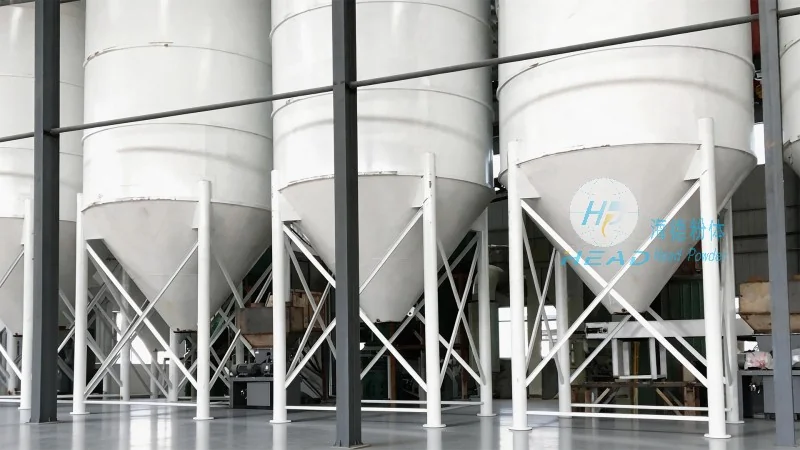
One of the primary advantages of pneumatic conveying in glass fiber powder transportation is its ability to handle fine, abrasive materials without causing excessive wear on equipment. The enclosed pipeline system prevents dust from escaping into the environment, which is crucial for maintaining a clean and safe working environment. Additionally, pneumatic systems can be easily integrated with other processing equipment, such as mixers or extruders, allowing for a seamless flow of materials from one stage to the next. The flexibility of the system also enables it to transport materials over varying distances and through complex layouts, making it suitable for diverse industrial settings.
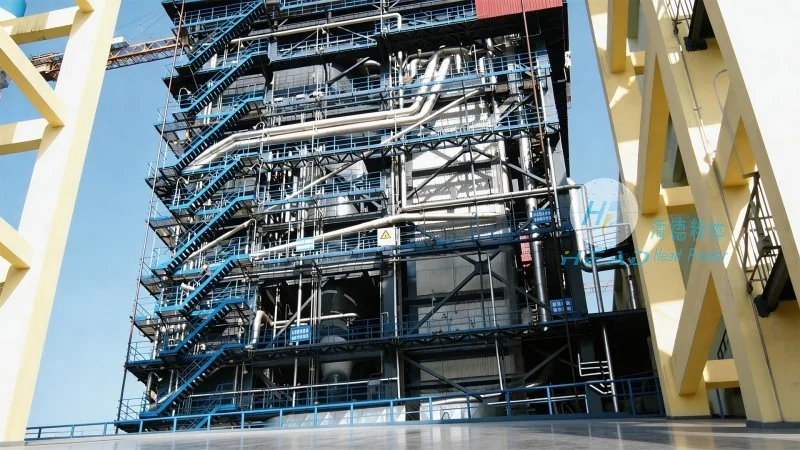
When designing a pneumatic conveying system for glass fiber powders, several factors must be considered to ensure optimal performance. The particle size distribution and moisture content of the glass fiber are critical parameters that affect the system's efficiency. Larger particles may require higher air velocities to prevent clogging, while smaller particles may need lower velocities to avoid excessive pressure drops. The system's capacity and the required conveying distance also influence the selection of the blower or vacuum pump, as well as the diameter and length of the pipeline. Proper filtration and separation equipment, such as cyclones or bag filters, are essential to maintain the purity of the glass fiber and protect the conveying equipment from wear and tear.
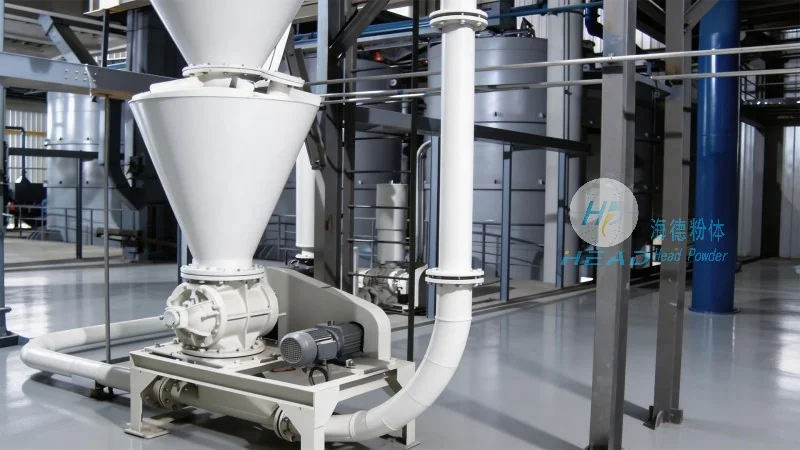
A leading glass fiber manufacturer in Shandong, China, recently upgraded its material handling system to a pneumatic conveying solution provided by HeadPowder. The facility was previously using a traditional bucket elevator to transport glass fiber powders from storage silos to the production line, which resulted in frequent clogs and material loss. After implementing the pneumatic system, the facility experienced significant improvements in operational efficiency and material integrity. The system's ability to handle the fine glass fiber particles without degradation, combined with its low maintenance requirements, reduced downtime and increased overall productivity. The closed-loop design also minimized dust emissions, improving workplace safety and compliance with environmental regulations.
Pneumatic conveying plays a vital role in the efficient and reliable transportation of glass fiber powders, offering numerous technical advantages over traditional methods. As industries continue to demand higher standards of material handling, the adoption of advanced pneumatic systems will likely increase. HeadPowder, with its expertise in engineering and manufacturing, remains committed to providing customized solutions that meet the specific needs of its clients. By leveraging the benefits of pneumatic conveying, businesses can enhance their operational efficiency, improve product quality, and ensure a safe working environment. The future of glass fiber powder transportation lies in the continued development and application of advanced pneumatic conveying technologies.

 Shandong Headpowder Engineering Co., Ltd.
 156-6277-7102(Manager Zhang)
  0531-83386006
  Zhangqiu District, Jinan City, Shandong Province, China
telephone
WeChatconsult
top