With more than 10‑year industry experience, Shandong Headpowder delivers full‑service pneumatic‑conveying systems and blowers, undertaking nationwide turn‑key powder‑handling projects.
HeadPowder, a leading provider in the field of material handling solutions, specializes in advanced technologies for the efficient transport of various powders and bulk materials. This article explores the concept of cobalt hydroxide pneumatic conveying, delves into the classification of pneumatic conveying systems, and discusses practical applications in industrial settings.
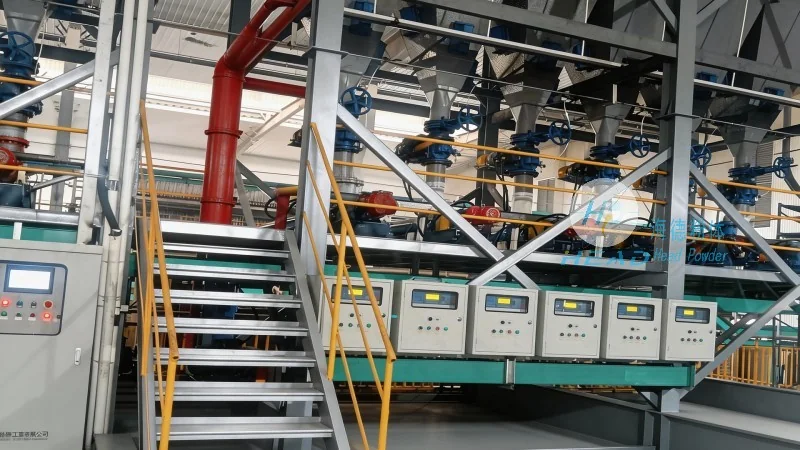
Cobalt hydroxide is a chemical compound commonly used in industrial processes, particularly in the production of batteries and other electronic components. Pneumatic conveying is a method of transporting bulk materials through a pipeline using air or other gas as the conveying medium. In the context of cobalt hydroxide, this technology ensures safe, efficient, and controlled movement of the material from one location to another within a manufacturing facility. The process involves generating a flow of air within a sealed system, which carries the cobalt hydroxide particles through the pipeline to the desired destination. This method is preferred for its ability to handle fine powders like cobalt hydroxide, minimizing dust generation and ensuring product integrity.
Pneumatic conveying systems are typically classified based on the direction of material flow and the pressure used. The two main categories are pressure and vacuum systems. Pressure systems operate by blowing air or gas into the pipeline, creating a positive pressure that pushes the material forward. These systems are suitable for long-distance and high-volume transport. Vacuum systems, on the other hand, use a vacuum pump to create a negative pressure, drawing the material into the pipeline. Vacuum systems are ideal for short-distance or low-volume applications, especially when the material needs to be collected from multiple sources.
Within these categories, there are further subtypes. For instance, pressure systems can be divided into positive displacement and dilute phase systems. Positive displacement systems use a pump to move air in discrete volumes, ensuring consistent flow rates even with varying material loads. Dilute phase systems, commonly used for fine powders like cobalt hydroxide, rely on high-velocity air to suspend the particles, allowing for faster and more efficient transport. Vacuum systems may include venturi or rotary lobe pumps, each with specific advantages depending on the application requirements.
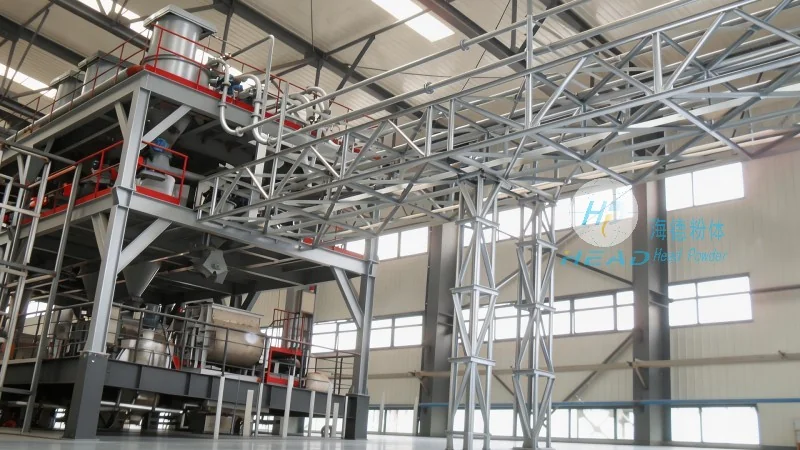
The application of pneumatic conveying in cobalt hydroxide handling is critical for maintaining product quality and operational efficiency. In battery manufacturing, for example, cobalt hydroxide is a key component in lithium-ion batteries. The material must be transported from storage silos to mixing and processing equipment without degradation or contamination. Pneumatic conveying systems ensure that the cobalt hydroxide remains in a dry, consistent state, preventing agglomeration or moisture absorption that could affect battery performance. Additionally, these systems allow for precise control over the material flow rate, which is essential for maintaining the correct stoichiometry in battery production.
In other industrial applications, such as chemical processing and pharmaceutical manufacturing, pneumatic conveying of cobalt hydroxide is used to transfer the material to reactors, mixers, or packaging lines. The ability to handle fine powders without the need for manual handling reduces the risk of occupational exposure and improves workplace safety. Furthermore, the enclosed system of pneumatic conveying minimizes environmental impact by containing dust and preventing spills, aligning with modern industrial standards for sustainability and compliance.
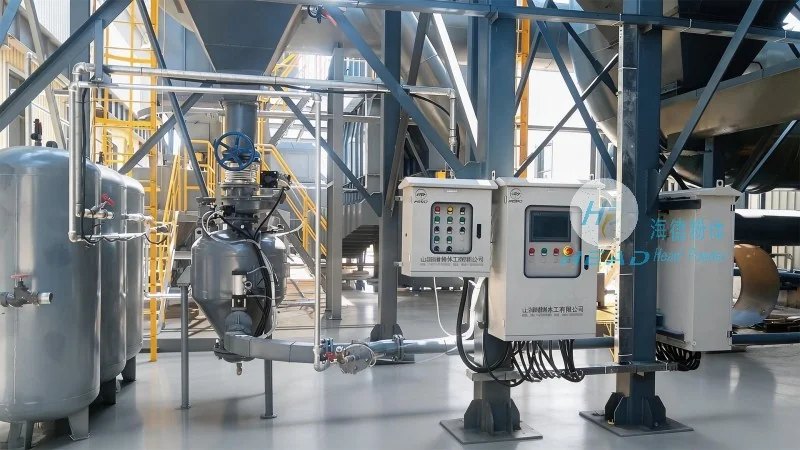
Implementing pneumatic conveying for cobalt hydroxide offers several advantages over traditional methods like bucket elevators or belt conveyors. One of the primary benefits is the reduction in material degradation. Since the material is transported in a sealed system, it is protected from moisture, air, and other contaminants that could alter its chemical properties. This is particularly important for cobalt hydroxide, which is sensitive to moisture and can undergo hydrolysis if exposed to water. Pneumatic conveying also minimizes dust generation, improving air quality and reducing the risk of respiratory issues for workers. The enclosed system also helps in maintaining product purity, which is crucial for applications where the material is used in high-value products like batteries.
Another significant benefit is the flexibility and scalability of pneumatic conveying systems. These systems can be easily integrated into existing manufacturing lines and expanded to accommodate increased production volumes. The ability to transport materials over long distances without the need for multiple transfer points simplifies the layout of industrial facilities. Additionally, pneumatic conveying systems are energy-efficient compared to other bulk material handling methods, as they use less power to move the material through the pipeline. This contributes to lower operational costs and reduced environmental impact.
Cobalt hydroxide pneumatic conveying is a vital technology in the efficient and safe handling of this critical industrial material. By understanding the classification of pneumatic conveying systems and their specific applications, industries can optimize their material transport processes. HeadPowder, with its expertise in material handling solutions, provides advanced pneumatic conveying systems tailored to the unique needs of cobalt hydroxide handling. These systems ensure product integrity, enhance operational efficiency, and contribute to a safer and more sustainable industrial environment.

 Shandong Headpowder Engineering Co., Ltd.
 156-6277-7102(Manager Zhang)
  0531-83386006
  Zhangqiu District, Jinan City, Shandong Province, China
telephone
WeChatconsult
top