

Operation Process and Working Principle of Phosphate Iron Material Conveying Line
Phosphate iron material conveying lines are essential components in industrial processing facilities, particularly in the production of lithium iron phosphate batteries and related chemical sectors. These systems are engineered to efficiently transport phosphate iron materials from storage areas to processing units, ensuring smooth workflow and optimal material handling. The operation process and working principle of such lines involve a series of integrated mechanisms that work in harmony to achieve reliable and efficient material movement.
Company Overview: Shandong HeadPowder Engineering Co., Ltd.
Shandong HeadPowder Engineering Co., Ltd., commonly known as HeadPowder, is a leading manufacturer specializing in the design, development, and installation of material handling systems. With a strong presence in China, particularly in Shandong province, the company has established a reputation for delivering high-quality, customized conveying solutions tailored to the specific needs of industrial clients. HeadPowder's expertise lies in understanding the unique challenges of material transport in sectors like battery manufacturing, chemical processing, and mining, enabling them to provide innovative and reliable solutions.
System Components and Design Principles
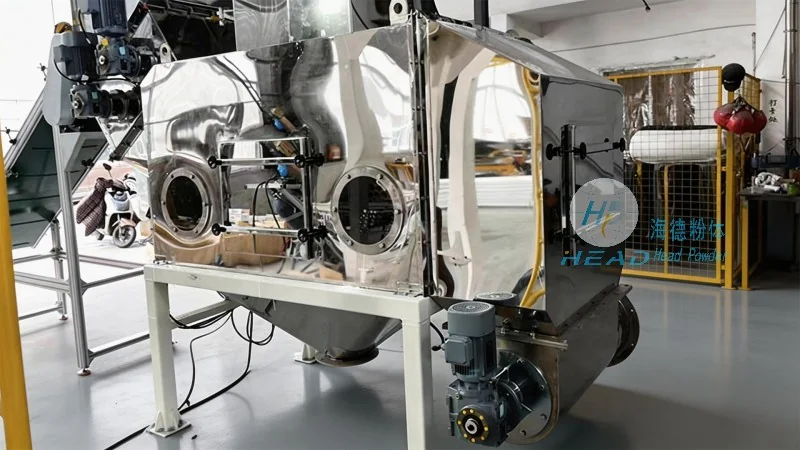
The phosphate iron material conveying line typically consists of several key components, each playing a vital role in the overall operation. These components include feed hoppers, conveyor belts or screw conveyors, control panels, and safety mechanisms. The design principles focus on durability, efficiency, and adaptability to handle the specific characteristics of phosphate iron materials, such as their particle size, density, and potential moisture content. For instance, the feed hopper is designed to evenly distribute the material into the conveyor system, preventing blockages and ensuring consistent flow. The conveyor mechanism, whether belt or screw, is selected based on the material's properties and the required throughput, optimizing energy consumption and operational costs.
Operation Process: Step-by-Step Workflow
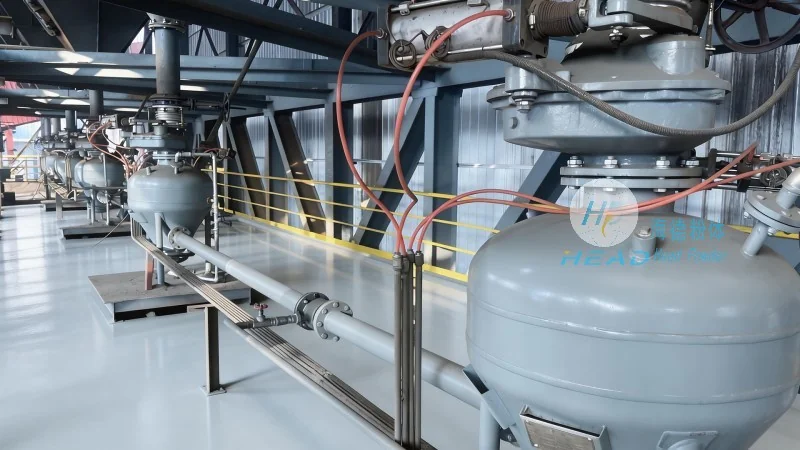
The operation of a phosphate iron material conveying line begins with the loading of raw phosphate iron materials into the feed hopper. The material is then discharged into the conveyor system, where it is transported to the processing unit or storage area. The process involves several sequential steps, each carefully managed to maintain efficiency and safety. First, the material is fed into the hopper, where it accumulates until the desired level is reached. The hopper is equipped with a level sensor that triggers the conveyor system to start when the material reaches a certain height. The conveyor then moves the material forward at a controlled speed, ensuring that the flow rate is consistent and does not cause overloading or underloading of the downstream equipment. The control panel, located at a convenient position, allows operators to monitor the system's performance, adjust the speed, and intervene in case of any anomalies. Safety features, such as emergency stop buttons and overload protection, are integrated into the system to prevent accidents and ensure the well-being of personnel.
Working Principle: Mechanisms and Control
The working principle of the phosphate iron material conveying line is based on mechanical and electrical systems that work together to facilitate material transport. The primary mechanism is the conveyor system, which can be either a belt conveyor or a screw conveyor, depending on the application. Belt conveyors use a continuous belt looped over rollers, with the material placed on the belt and carried forward by the rotation of the rollers. Screw conveyors, on the other hand, utilize a rotating screw to push the material along a tube, making them suitable for materials that are more cohesive or have a higher moisture content. The control system, typically a programmable logic controller (PLC), manages the operation of the conveyor, feed hopper, and safety devices. The PLC receives input from sensors (e.g., level sensors, speed sensors) and sends output signals to control the motor speed, direction, and other functions. This closed-loop control ensures that the system operates within safe and efficient parameters, adapting to changes in material load or external conditions. The integration of sensors and the PLC allows for real-time monitoring and automatic adjustments, enhancing the overall reliability and performance of the conveying line.
Key Features and Advantages
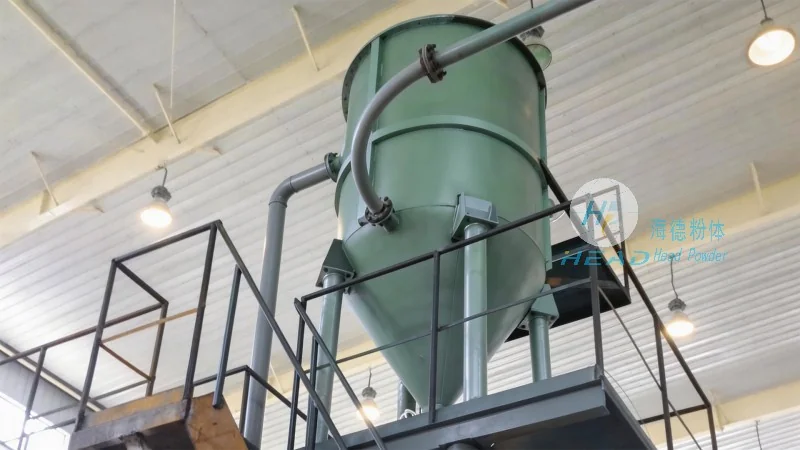
Phosphate iron material conveying lines from HeadPowder offer several key features and advantages that make them ideal for industrial applications. These include high throughput capacity, which allows for efficient material handling even in high-demand production environments. The systems are designed for durability, with robust components that can withstand the harsh conditions of industrial operations, including exposure to dust, moisture, and heavy loads. Additionally, the conveying lines are equipped with advanced control systems that provide precise control over the material flow, reducing waste and improving overall productivity. The modular design of the systems allows for easy installation and maintenance, minimizing downtime and operational costs. HeadPowder's expertise in customizing these systems ensures that clients receive solutions that are tailored to their specific requirements, whether it's for small-scale production or large-scale industrial operations.
Conclusion and Application
In conclusion, the operation process and working principle of phosphate iron material conveying lines are complex yet efficient systems that play a crucial role in modern industrial processing. The integration of advanced components, precise control mechanisms, and robust design ensures that these systems can handle the demands of phosphate iron material transport effectively. As a leading manufacturer, Shandong HeadPowder Engineering Co., Ltd. provides high-quality conveying solutions that meet the needs of various industries, contributing to improved productivity and operational efficiency. The company's commitment to innovation and customer satisfaction makes it a trusted partner for businesses seeking reliable material handling systems.