With more than 10‑year industry experience, Shandong Headpowder delivers full‑service pneumatic‑conveying systems and blowers, undertaking nationwide turn‑key powder‑handling projects.
Coal ash, a byproduct of coal combustion, poses significant challenges in handling and transportation due to its fine particle size and potential environmental hazards. Pneumatic conveying emerges as a sophisticated solution for efficiently transporting coal ash from generation sites to disposal or utilization locations. This article explores the fundamentals of coal ash pneumatic conveying, categorizes the various types of pneumatic conveying systems, and highlights practical applications in industrial settings.
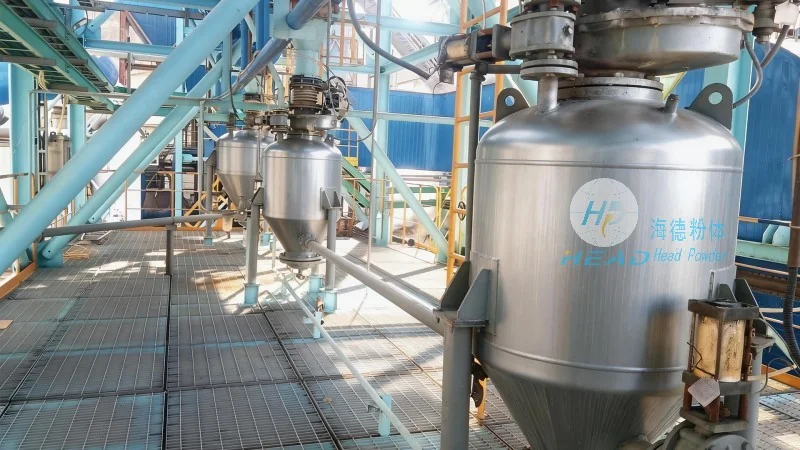
Coal ash, also known as fly ash or bottom ash, consists of fine particles produced during the combustion of coal in power plants and industrial boilers. Traditional methods of handling coal ash, such as bucket elevators or belt conveyors, often face limitations like high maintenance costs, material degradation, and environmental risks. Pneumatic conveying, which uses compressed air or gas to transport bulk materials through a pipeline system, offers a more efficient and flexible alternative. The process involves feeding the coal ash into a hopper, where it is mixed with air or gas under controlled pressure, and then transported through a network of pipes to the destination point. This method minimizes material contact with equipment, reduces dust emissions, and enables the handling of abrasive or corrosive ash particles.
Pneumatic conveying systems are broadly classified into two main categories based on the pressure within the conveying line: positive pressure systems and negative pressure systems. Each type has distinct characteristics and is suitable for different operational requirements.
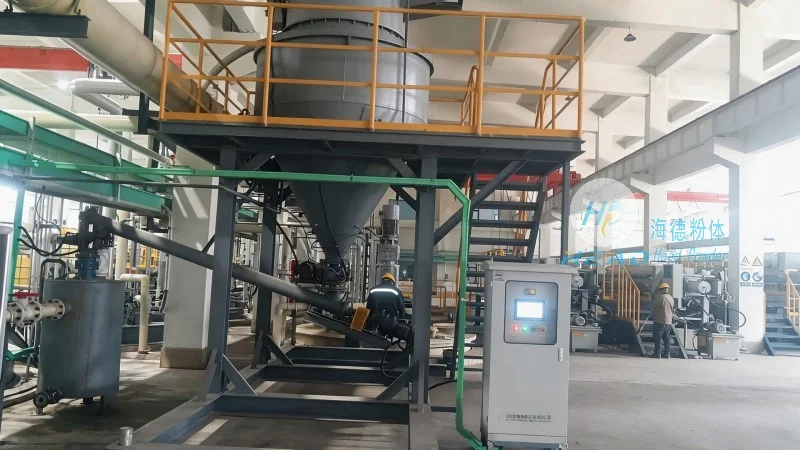
Positive pressure systems operate by forcing air or gas into the conveying line at a pressure higher than the ambient air pressure. The material is carried by the high-pressure air stream, which ensures consistent flow and prevents material settling in the pipeline. This type of system is commonly used for short to medium-distance conveying and is particularly effective for handling fine, abrasive materials like coal ash. Positive pressure systems typically feature a blower or compressor at the inlet, which provides the necessary pressure to move the material. The system includes components such as a hopper, feeder, pipeline, and discharge device, all designed to maintain the pressure and ensure smooth material transport. Positive pressure conveying is advantageous for applications where the material is sensitive to moisture or where the system needs to operate in a closed environment, minimizing dust exposure.
Negative pressure systems, also known as vacuum or suction systems, operate by creating a vacuum in the conveying line, which draws the material from the source into the system. The material is carried by the air stream moving from a high-pressure area (the source) to a low-pressure area (the receiver). This type of system is ideal for long-distance conveying and for handling materials that are prone to dust generation or require low noise operation. Negative pressure systems use a vacuum pump or fan at the receiver end to create the suction effect. The system includes a hopper, feeder, pipeline, and a vacuum receiver, which collects the material after it has been conveyed. Negative pressure conveying is often preferred in applications where the material is to be collected from multiple sources or where the system needs to operate in an open environment, as it can handle larger volumes of material with less pressure drop.
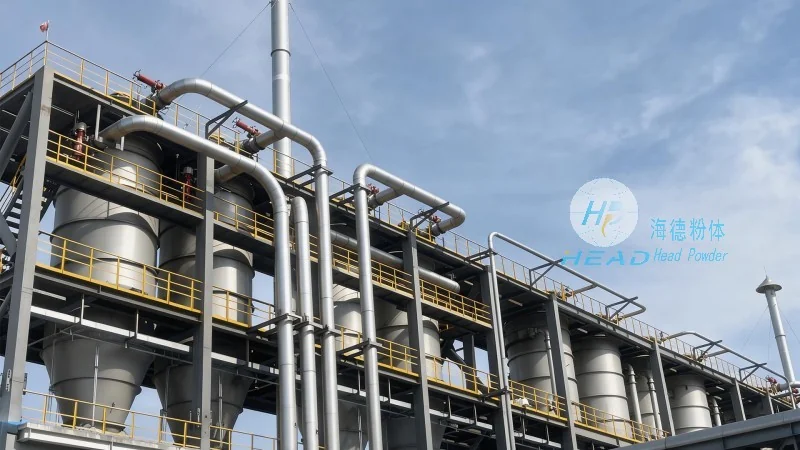
The versatility of pneumatic conveying makes it suitable for a wide range of applications in coal ash management. Some key applications include:
One of the primary uses of pneumatic conveying for coal ash is transporting the material from power plants to disposal sites, such as landfills or ash ponds. This method allows for the efficient and safe removal of ash, reducing the need for manual handling and minimizing environmental contamination. The positive pressure system is often preferred for this application due to its ability to handle long distances and abrasive materials. The system can be designed to transport ash over several kilometers, ensuring that the material is delivered to the disposal site without any loss or degradation.
Coal ash is a valuable resource in the construction industry, used as a substitute for cement in concrete production. Pneumatic conveying enables the efficient transport of ash from the power plant to concrete mixing plants or manufacturing facilities. The negative pressure system is commonly used for this application, as it can handle large volumes of material and is suitable for long-distance transport. The system ensures that the ash is delivered in a dry and consistent state, which is essential for maintaining the quality of the final concrete product. By using pneumatic conveying, manufacturers can reduce the cost of raw materials and improve the sustainability of their operations.
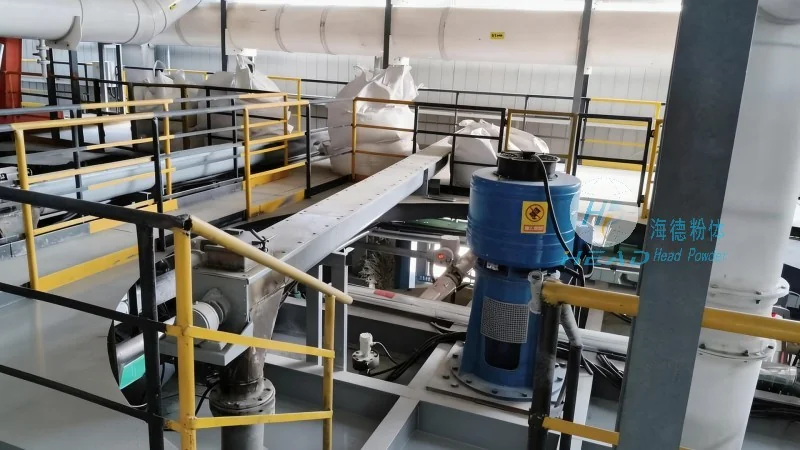
Coal ash can also be processed and recycled into other industrial products, such as bricks, tiles, or insulation materials. Pneumatic conveying plays a crucial role in transporting ash from the power plant to processing facilities. The positive pressure system is often used for this application, as it can handle the abrasive nature of the ash and ensure consistent material flow. The system allows for the efficient integration of ash into the production process, reducing waste and enhancing the overall efficiency of the recycling operation. This application demonstrates the economic and environmental benefits of using pneumatic conveying in coal ash management.
Shandong HeadPowder Engineering Co., Ltd., commonly known as HeadPowder, is a leading provider of pneumatic conveying solutions tailored for coal ash handling. With a strong commitment to innovation and quality, HeadPowder specializes in designing and manufacturing customized pneumatic conveying systems that meet the specific needs of power plants and industrial facilities. The company’s headquarters is located in Shandong, China, where it leverages advanced technology and expertise to deliver reliable and efficient solutions for coal ash transportation. HeadPowder’s team of engineers and technicians work closely with clients to understand their operational requirements and develop tailored systems that optimize material handling, reduce costs, and enhance safety. The company’s products are designed to comply with international standards and are backed by a comprehensive after-sales service, ensuring long-term performance and customer satisfaction.

 Shandong Headpowder Engineering Co., Ltd.
 156-6277-7102(Manager Zhang)
  0531-83386006
  Zhangqiu District, Jinan City, Shandong Province, China
telephone
WeChatconsult
top