With more than 10‑year industry experience, Shandong Headpowder delivers full‑service pneumatic‑conveying systems and blowers, undertaking nationwide turn‑key powder‑handling projects.
Understanding the fundamentals of sponge sand pneumatic conveying is crucial for industries that rely on efficient material handling solutions. This article explores the concept of sponge sand pneumatic conveying, categorizes different types of pneumatic conveying systems, and highlights their practical applications in various industrial sectors.
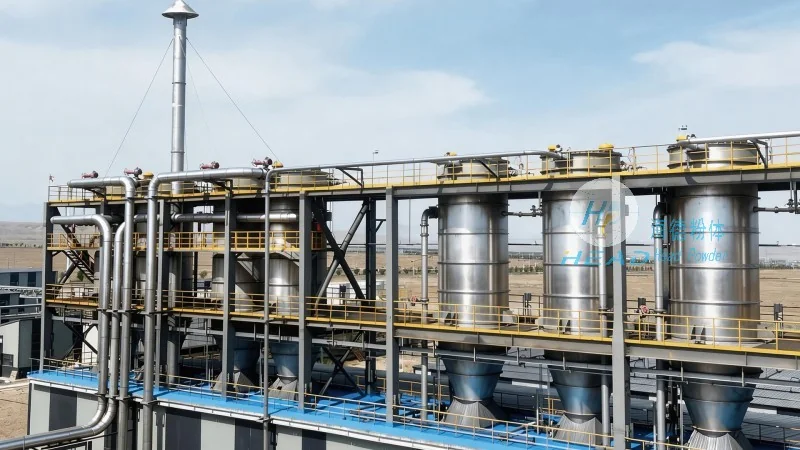
Sponge sand pneumatic conveying is a method of transporting bulk materials, such as sponge sand, through a pipeline using compressed air or other gas. Unlike traditional mechanical conveying systems, which rely on mechanical components like belts or screws, pneumatic conveying utilizes the force of air to move materials. This process involves creating a flow of air within a pipeline, which draws the material particles along with it. The efficiency of this method depends on factors like the material's properties, the system's design, and the operating conditions. Sponge sand, a lightweight and porous material, presents unique challenges in pneumatic conveying due to its low density and tendency to settle. However, specialized systems have been developed to address these challenges, ensuring reliable and consistent material transport.
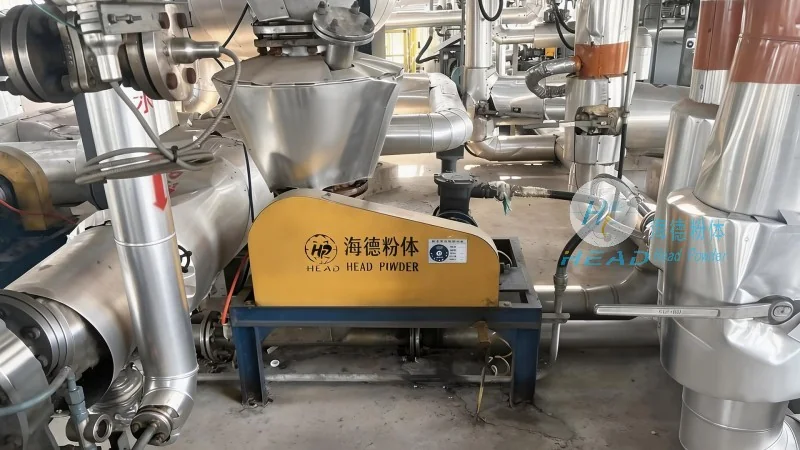
Pneumatic conveying systems are typically classified based on the direction of material flow and the pressure used. The two main categories are pressure and vacuum systems. Pressure systems operate by forcing air into the pipeline at a pressure higher than the ambient air pressure, pushing the material forward. These systems are suitable for long-distance transport and can handle a wide range of materials, including abrasive or corrosive substances. Vacuum systems, on the other hand, use a vacuum pump to create a negative pressure within the pipeline, drawing material from the source into the system. Vacuum systems are often used for short-distance transport and are ideal for handling materials that are sensitive to pressure or require gentle handling. Within these categories, subtypes exist, such as dilute-phase and dense-phase systems. Dilute-phase systems use low air-to-material ratios, resulting in high material velocity and efficient transport. Dense-phase systems, conversely, use high air-to-material ratios, creating a slurry-like flow that is gentler on the material and the system components. The choice between pressure, vacuum, dilute-phase, and dense-phase systems depends on the specific requirements of the application, including material characteristics, distance, and desired handling conditions.
Pneumatic conveying systems find extensive use in various industries, including manufacturing, pharmaceuticals, food processing, and mining. In the manufacturing sector, these systems are commonly employed to transport raw materials to production lines and to move finished products to storage areas. For example, in the production of ceramics or concrete, sponge sand is often used as an aggregate, and pneumatic conveying ensures a consistent supply of this material to the mixing processes. The pharmaceutical industry benefits from pneumatic conveying's ability to handle sensitive materials, such as powders used in drug manufacturing, without contamination or degradation. Food processing facilities utilize these systems to transport ingredients like flour, sugar, or spices, maintaining hygiene and preventing cross-contamination. In the mining industry, pneumatic conveying is used to transport minerals and ores from mines to processing plants, reducing the need for heavy machinery and minimizing environmental impact. The versatility of pneumatic conveying makes it a preferred choice for industries that require efficient, reliable, and low-maintenance material handling solutions.
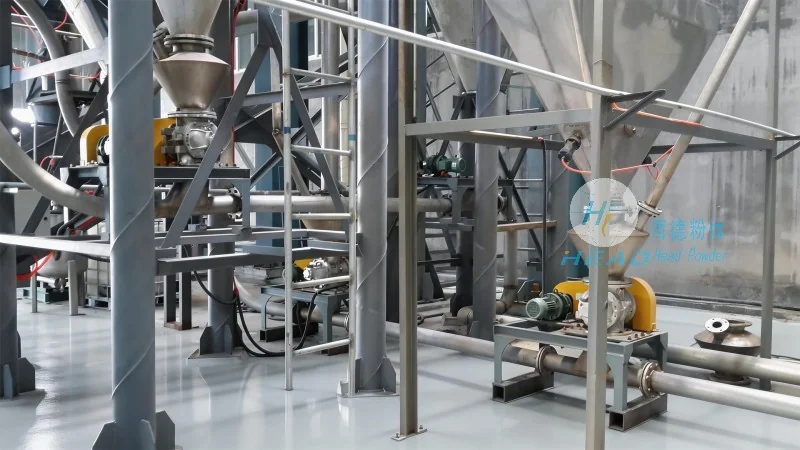
HeadPowder, a leading provider of engineering solutions, specializes in the design and implementation of pneumatic conveying systems tailored to the unique needs of industrial clients. With a focus on innovation and quality, HeadPowder's team of experts works closely with customers to develop customized solutions that enhance operational efficiency and reduce costs. The company's headquarters is located in Shandong, China, where it leverages local resources and expertise to serve a global clientele. By combining advanced technology with practical experience, HeadPowder ensures that its pneumatic conveying systems meet the highest standards of performance and reliability. Whether for sponge sand or other bulk materials, HeadPowder's solutions are designed to deliver consistent, efficient, and safe material transport, supporting the success of industrial operations worldwide.

 Shandong Headpowder Engineering Co., Ltd.
 156-6277-7102(Manager Zhang)
  0531-83386006
  Zhangqiu District, Jinan City, Shandong Province, China
telephone
WeChatconsult
top