With more than 10‑year industry experience, Shandong Headpowder delivers full‑service pneumatic‑conveying systems and blowers, undertaking nationwide turn‑key powder‑handling projects.
At Shandong HeadPowder Engineering Co., Ltd., we specialize in the design, manufacturing, and implementation of advanced automatic powder mixing and material handling systems. These systems are engineered to enhance efficiency, accuracy, and safety in various industrial applications, particularly in sectors requiring precise control over powder blending and transportation. The following content provides a detailed overview of the operation process and working principles of such systems, highlighting the key components and their functions.
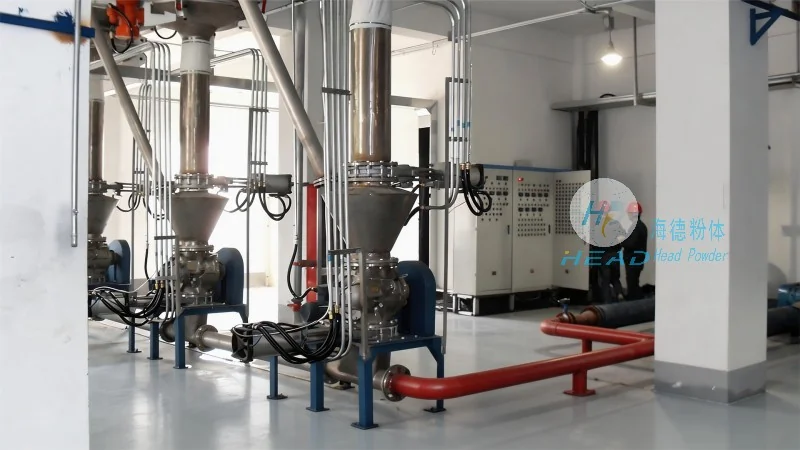
The automatic powder mixing and material handling system typically consists of several critical components that work in concert to achieve optimal performance. These include feeders, hoppers, mixers, conveyors, and control systems. Each component plays a vital role in the overall process, ensuring that powders are accurately measured, mixed, and transported to the desired destination.
Feeders are responsible for the initial feeding of raw materials into the system. They can be of various types, such as volumetric or gravimetric feeders, depending on the specific requirements of the application. Volumetric feeders measure and dispense powder based on volume, while gravimetric feeders provide more precise measurement by weighing the material as it is fed. The choice of feeder type depends on factors like the material's flowability, density, and the required accuracy of the final blend.
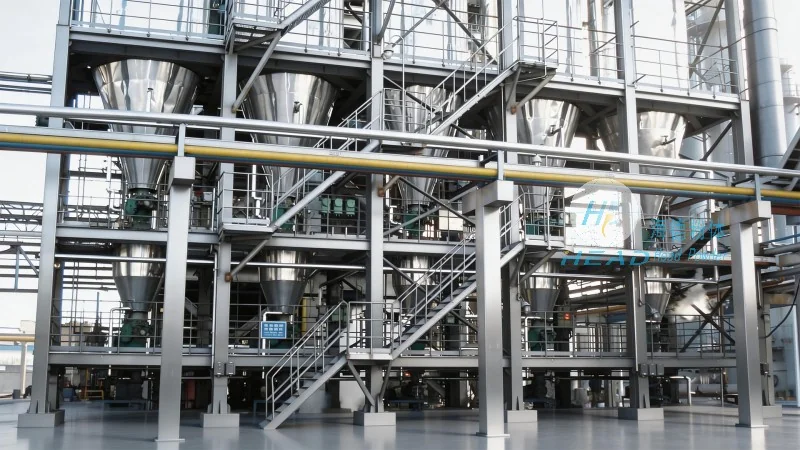
Hoppers are used to store and hold the raw materials before they are fed into the system. They are designed to accommodate different powder types and quantities, ensuring a stable and consistent supply of material. The hopper's design, including its shape and internal features, can influence the flow characteristics of the powder, which in turn affects the performance of the feeder.
Mixers are the core of the blending process. They are responsible for combining different powders in the correct proportions to achieve the desired final product. There are various types of mixers, including ribbon mixers, planetary mixers, and high-shear mixers, each with its own advantages and applications. The selection of a mixer depends on the powder's properties, such as particle size, moisture content, and viscosity, as well as the required mixing time and uniformity.
Conveyors are used to transport the mixed powder from the mixer to the next stage of the process or to the final storage or packaging area. They can be of different types, such as screw conveyors, belt conveyors, or pneumatic conveyors, depending on the material's characteristics and the distance to be covered. Screw conveyors are commonly used for horizontal or slight incline transport, while pneumatic conveyors are suitable for vertical or long-distance transport, especially for fine powders.
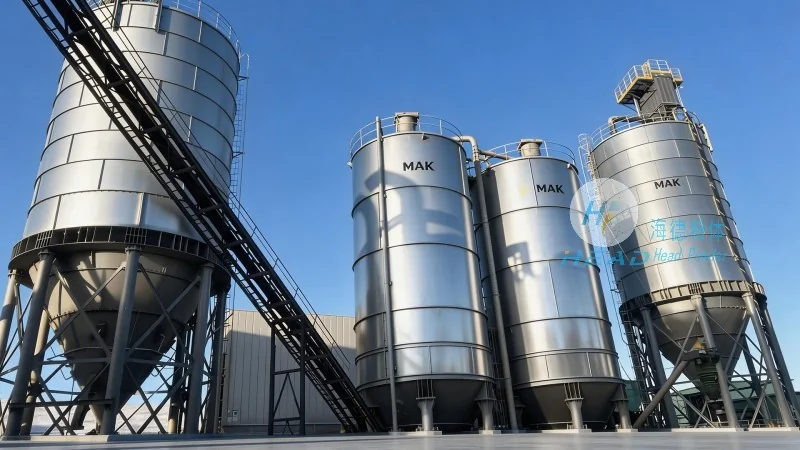
Control systems are essential for monitoring and regulating the entire process. They include sensors, controllers, and software that ensure the system operates within the specified parameters. The control system can adjust the feeder speed, mixer speed, and conveyor speed in real-time to maintain the desired blend ratio and flow rate. It also provides feedback on the system's performance, allowing for quick adjustments and troubleshooting.
The operation of an automatic powder mixing and material handling system typically follows a sequence of steps. First, the raw materials are loaded into the hoppers. Then, the feeders start to dispense the materials into the mixer at the predetermined ratios. The mixer then blends the materials for a specified period to achieve the desired uniformity. After mixing, the mixed powder is transported to the next stage using the conveyor system. The control system continuously monitors the process, ensuring that each step is executed correctly and that the final product meets the required specifications.
During the operation, the system may perform quality checks at various stages. For example, after mixing, a sample of the blended powder may be taken and analyzed to verify the composition and uniformity. If the results are not within the acceptable range, the control system can adjust the feeder settings or the mixing parameters to correct the issue. This closed-loop control ensures that the system operates consistently and reliably.
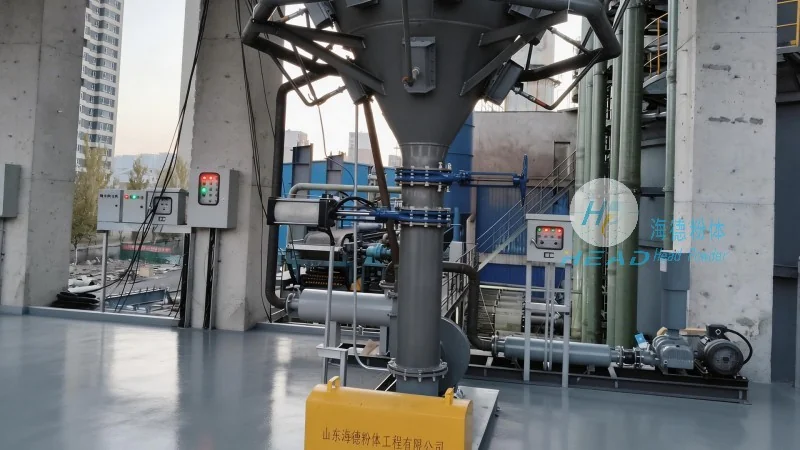
The entire process is automated, reducing the need for manual intervention and minimizing the risk of human error. This not only improves efficiency but also enhances safety in the workplace. The system can be programmed to follow specific recipes or production schedules, ensuring that each batch is produced according to the required standards.
The working principles of the automatic powder mixing and material handling system are based on fundamental principles of powder technology and mechanical engineering. The system relies on precise measurement and control of the flow rates of different powders to achieve the desired blend ratio. This is achieved through the use of advanced sensors and control algorithms that can detect small changes in the material flow and adjust the system accordingly.

 Shandong Headpowder Engineering Co., Ltd.
 156-6277-7102(Manager Zhang)
  0531-83386006
  Zhangqiu District, Jinan City, Shandong Province, China
telephone
WeChatconsult
top