With more than 10‑year industry experience, Shandong Headpowder delivers full‑service pneumatic‑conveying systems and blowers, undertaking nationwide turn‑key powder‑handling projects.
Intelligent powder material feeding systems represent a sophisticated advancement in industrial material handling, designed to enhance efficiency, accuracy, and safety in the processing of bulk powders. These systems integrate advanced technologies such as sensors, automation controls, and real-time monitoring to optimize the flow of materials from storage to processing equipment. The core objective is to ensure consistent and reliable material delivery, which is critical for maintaining product quality and operational productivity in various industries, including pharmaceuticals, food processing, and chemical manufacturing. Shandong HeadPowder Engineering Co., Ltd. specializes in the design and implementation of such systems, leveraging decades of expertise in powder technology to deliver tailored solutions for diverse industrial applications.
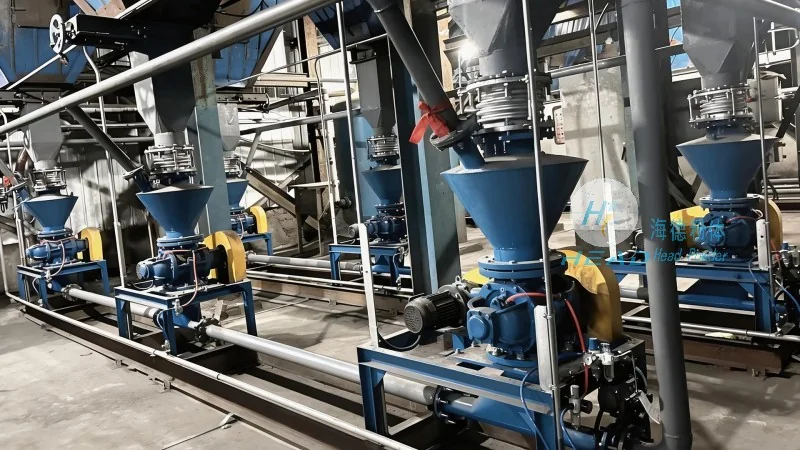
The intelligent powder feeding system comprises several key components that work in concert to achieve seamless material transfer. These include bulk material storage silos or hoppers, feeding mechanisms like rotary valves or screw conveyors, pneumatic or mechanical conveying systems, and advanced control units equipped with user-friendly interfaces. Each component is engineered to handle specific powder characteristics, such as particle size, moisture content, and flowability, ensuring optimal performance under diverse operational conditions. The storage silos are typically made of corrosion-resistant materials, such as stainless steel or polyethylene, to prevent material degradation and contamination. The feeding mechanisms are designed to minimize material degradation and maintain the integrity of the powder, which is crucial for applications where product quality is paramount, like in the pharmaceutical industry.
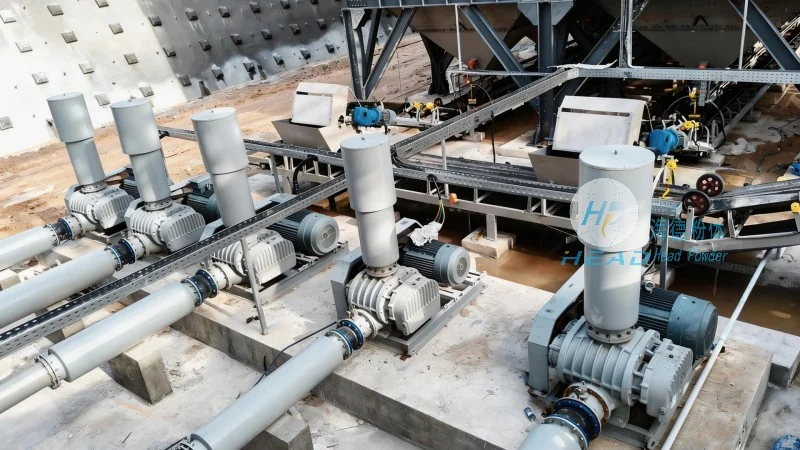
The operation process of an intelligent powder feeding system typically involves several sequential steps, each designed to ensure precise and controlled material transfer. First, the system initiates by receiving a signal from the control panel or an automated process management system, indicating the required material quantity and destination. Next, the bulk material is drawn from the storage silo into the feeding hopper through a controlled flow mechanism, such as a rotary valve or a screw feeder. The feeding rate is dynamically adjusted based on real-time feedback from sensors, which monitor parameters like pressure, flow rate, and material level. This feedback loop ensures that the material is delivered at the exact rate needed, preventing overfeeding or underfeeding. Following the feeding stage, the material is conveyed to the processing equipment, such as mixers or reactors, via pneumatic or mechanical pipelines. The system continuously monitors the entire process, adjusting parameters in real-time to maintain stability and avoid disruptions. Finally, the system logs operational data, including feeding rates, material levels, and any anomalies, for later analysis and process optimization. The control unit, often integrated with a human-machine interface (HMI), allows operators to set parameters, view real-time data, and adjust settings as needed, ensuring flexibility and adaptability to changing production demands.
The working principle of an intelligent powder feeding system is based on a combination of mechanical, pneumatic, and electronic technologies. The mechanical components, such as hoppers and conveyors, are responsible for the physical movement of the powder. The pneumatic system, often utilizing compressed air, provides the necessary force to transport the material through pipelines, especially for fine or low-density powders. The electronic control unit serves as the brain of the system, processing sensor inputs and executing control algorithms to regulate the feeding process. Sensors, including level sensors, pressure sensors, and flow meters, continuously monitor critical parameters and send data to the control unit. The control unit then processes this data, compares it with pre-set parameters, and adjusts the feeding rate or other operational variables as needed. This closed-loop control system ensures that the material is delivered with high accuracy and consistency, minimizing variations that could affect downstream processes. Additionally, the system may incorporate safety features, such as interlocks and emergency stop mechanisms, to prevent accidents and protect personnel and equipment. The integration of these technologies allows for a highly efficient and reliable material handling solution that meets the stringent requirements of modern industrial operations.
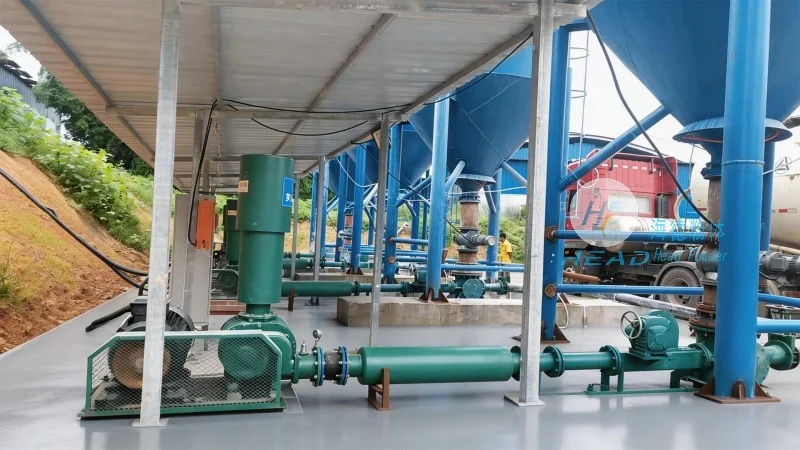
Intelligent powder feeding systems offer numerous benefits that enhance operational efficiency and product quality. One of the primary advantages is improved accuracy in material delivery, which reduces waste and ensures consistent product composition. The real-time monitoring and control capabilities allow operators to quickly detect and address any deviations, preventing process interruptions and maintaining production continuity. Additionally, these systems enhance safety by minimizing human intervention in hazardous material handling tasks, reducing the risk of exposure to dust or other contaminants. The automation features also lead to increased productivity, as the system can operate continuously without the need for constant manual supervision. Furthermore, the data logging and analysis capabilities enable continuous process improvement, allowing companies to optimize their operations over time and reduce long-term costs. For industries where product purity and consistency are non-negotiable, such as pharmaceuticals and food processing, these systems provide a competitive edge by ensuring compliance with regulatory standards and maintaining high-quality output.

 Shandong Headpowder Engineering Co., Ltd.
 156-6277-7102(Manager Zhang)
  0531-83386006
  Zhangqiu District, Jinan City, Shandong Province, China
telephone
WeChatconsult
top