

Operation Process and Working Principle of Powder Material Handling in Petrochemical Industry
Headpowder, short for Shandong HeadPowder Engineering Co., Ltd., is a professional enterprise dedicated to the research, development, and production of powder material handling systems. With its headquarters located in Shandong, China, the company has established itself as a key player in the petrochemical industry's powder handling solutions. Headpowder specializes in providing comprehensive solutions for the efficient and safe transportation of bulk powders, ensuring high performance and reliability in demanding industrial environments.
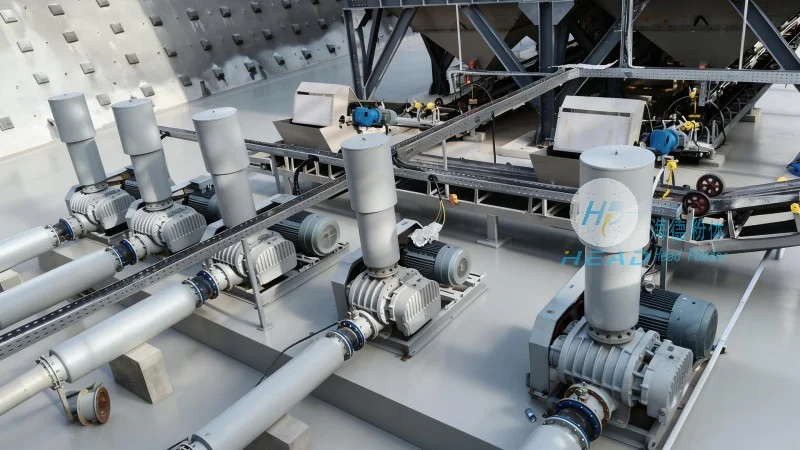
Powder Material Handling Systems in Petrochemical Industry
Powder material handling in the petrochemical sector involves the movement of various bulk materials such as chemicals, catalysts, and raw materials. These materials are often abrasive, corrosive, or sensitive to moisture, requiring specialized equipment and processes to maintain their quality and integrity. The operation process and working principle of such systems are critical to ensuring smooth production and minimizing downtime.
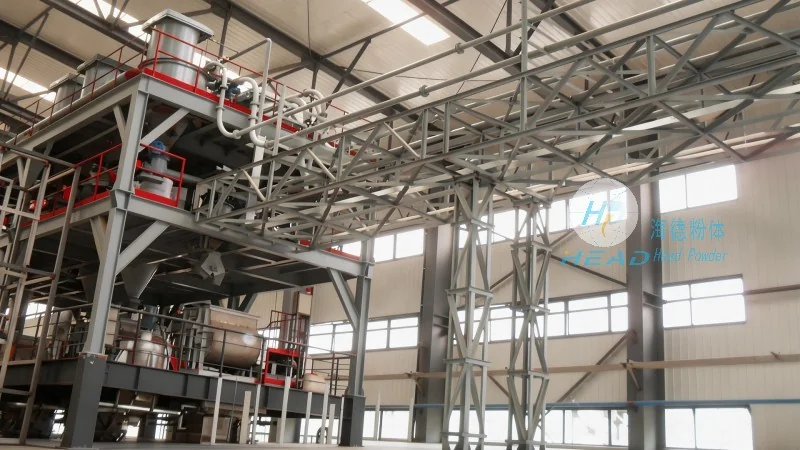
Operation Process of Powder Material Handling
The operation process of powder material handling systems typically begins with material storage. In petrochemical facilities, bulk powders are stored in silos or hoppers, which are designed to accommodate large volumes while maintaining material flow properties. The next step involves material feeding, where the powder is transferred from storage to the processing equipment. This is often achieved through rotary valves, star feeders, or pneumatic conveying systems, depending on the material characteristics and system requirements. The feeding process must be controlled to prevent material bridging or caking, which can disrupt the entire operation. Once fed, the powder is transported to the processing units, such as reactors or mixers, where it undergoes further processing. The final stage of the operation process is material discharge, where the processed powder is collected in containers or transported to storage areas. Throughout this process, monitoring systems are used to track flow rates, pressure, and temperature, ensuring optimal performance and safety.
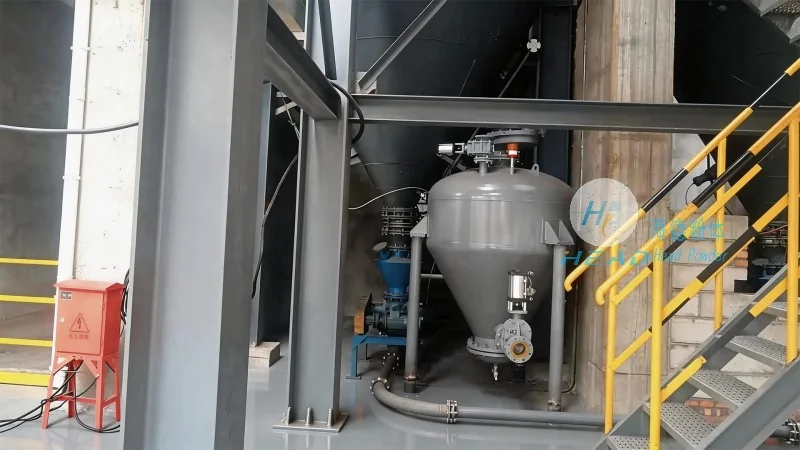
Working Principle of Powder Material Handling Systems
The working principle of powder material handling systems relies on the principles of fluidization and pneumatic conveying. Fluidization involves creating a gas-solid mixture where the powder particles are suspended in a moving gas stream, allowing for uniform flow and reduced friction. This method is commonly used in pneumatic conveying systems, where compressed air or other gases are used to transport the powder through pipelines. The system typically consists of a blower, a filter, and a pipeline network. The blower generates the necessary pressure to move the powder, while the filter removes any particles that may escape the system, ensuring environmental compliance. The pipeline network connects the storage, feeding, processing, and discharge points, forming a closed loop that minimizes material loss and contamination. In addition to pneumatic conveying, mechanical conveying systems, such as screw conveyors and belt conveyors, are also used for certain applications. These systems rely on mechanical force to move the powder, which is suitable for materials that are not suitable for pneumatic transport due to their size or moisture content.
Technical Features and Advantages
Headpowder's powder material handling systems are designed with several technical features that enhance their performance and reliability. One key feature is the use of high-quality materials for construction, such as stainless steel and corrosion-resistant alloys, which ensures durability and resistance to harsh chemical environments. The systems are also equipped with advanced control systems that allow for precise regulation of flow rates and pressure, improving process efficiency and reducing energy consumption. Additionally, the company's systems are designed for easy maintenance and cleaning, minimizing downtime and maintenance costs. The use of automated monitoring and alarm systems provides real-time feedback on system performance, enabling quick identification and resolution of issues. These features collectively contribute to the high efficiency and safety of the powder handling process in petrochemical applications.
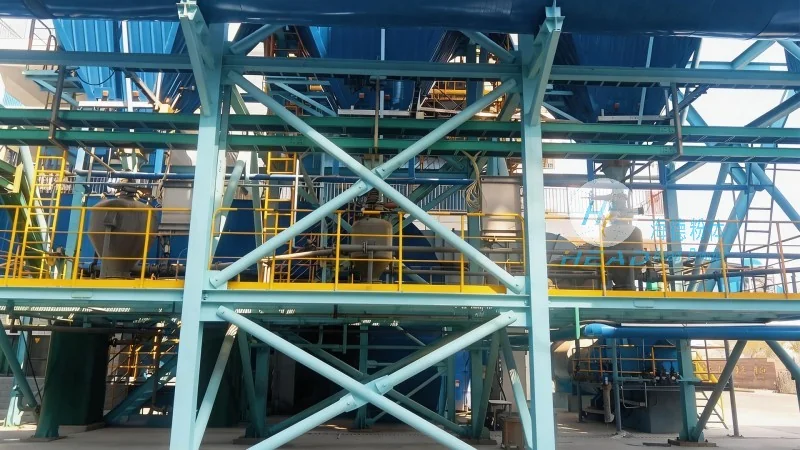
Application in Petrochemical Industry
Powder material handling systems are widely used in various applications within the petrochemical industry. For example, in the production of chemicals, powders such as catalysts and reagents are transported to reactors for processing. In the production of fertilizers, bulk materials like urea and ammonium nitrate are handled efficiently to ensure consistent quality. The systems are also used in the production of polymers, where raw materials like monomers are conveyed to reactors for polymerization. In addition to production processes, powder handling systems are used in waste management, where hazardous powders are safely transported for disposal. The versatility of these systems makes them essential for maintaining the smooth operation of petrochemical facilities, ensuring high productivity and product quality.