With more than 10‑year industry experience, Shandong Headpowder delivers full‑service pneumatic‑conveying systems and blowers, undertaking nationwide turn‑key powder‑handling projects.
For industrial operations dealing with dust and fine particulate materials, efficient material handling is crucial. A key technology in this domain is the dust gas pneumatic conveying equipment, which enables the transport of powders and granules through a pneumatic system. This equipment is essential for processes that require the movement of dust-laden materials from one location to another, ensuring safety, efficiency, and compliance with environmental standards.
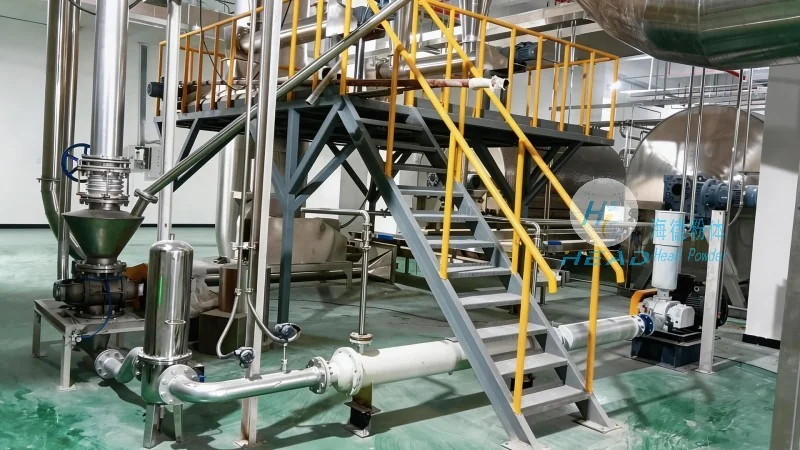
Dust gas pneumatic conveying equipment, often referred to as pneumatic conveyors, is a system designed to transport dry bulk materials, particularly dust and fine particles, using a combination of air or gas and mechanical components. Unlike traditional methods like belt conveyors or screw conveyors, pneumatic systems utilize air pressure to move materials through pipelines. This technology is widely used in industries such as cement, food processing, pharmaceuticals, and chemical manufacturing, where handling dust and powders is common.
The effectiveness of a dust gas pneumatic conveying system depends on several critical components that work in tandem to ensure smooth material transport. These components include:
1. Feeder: The feeder is responsible for feeding the material into the conveying line. It can be a rotary valve, a star feeder, or a screw feeder, depending on the material's characteristics and the required flow rate. The feeder ensures a consistent and controlled supply of material to the system.
2. Pneumatic Conveying Unit: This is the core of the system, where air or gas is introduced to create a flow that propels the material through the pipeline. The unit typically includes a blower or compressor that generates the necessary pressure and airflow. The design of the conveying unit is tailored to the specific material being transported, considering factors like particle size, density, and moisture content.
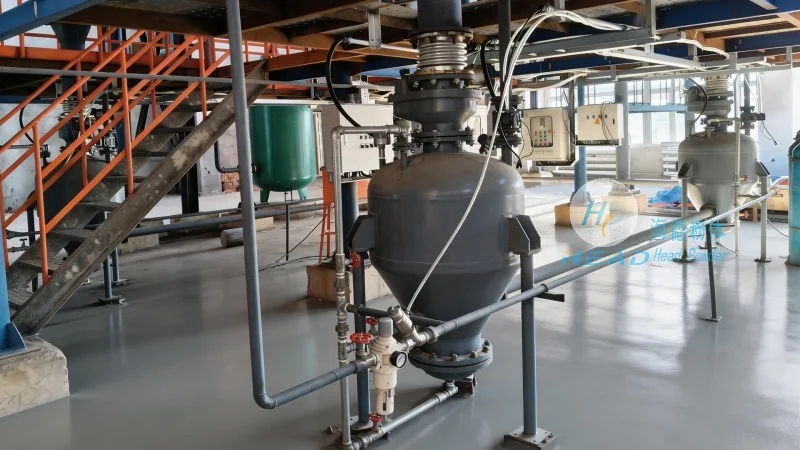
3. Pipeline System: The pipeline is the conduit through which the material and air travel. It is usually made of metal or plastic, chosen based on the material's corrosiveness and the system's pressure requirements. The pipeline design must account for the material's flow characteristics to prevent blockages or degradation.
4. Control System: The control system manages the operation of the entire conveying process. It regulates the air pressure, flow rate, and feeding speed to maintain optimal performance. Modern control systems often include sensors and automation to monitor the system's status and adjust parameters in real-time, enhancing efficiency and reducing downtime.
The design of dust gas pneumatic conveying equipment is based on several fundamental principles that ensure reliable and efficient material transport. These principles include:
1. Pressure and Flow Rate: The system operates under a specific pressure range, typically from low to high pressure, depending on the material's properties and the distance to be conveyed. The flow rate is carefully calculated to ensure that the material is fully suspended by the air stream, preventing settling or blockages. Proper pressure and flow rate management are critical to maintaining the system's performance and preventing wear on components.
2. Material Characteristics: The design must consider the physical and chemical properties of the material being transported. Factors such as particle size, density, moisture content, and abrasiveness influence the choice of components and system configuration. For example, abrasive materials may require special materials for the pipeline and components to withstand wear and tear.
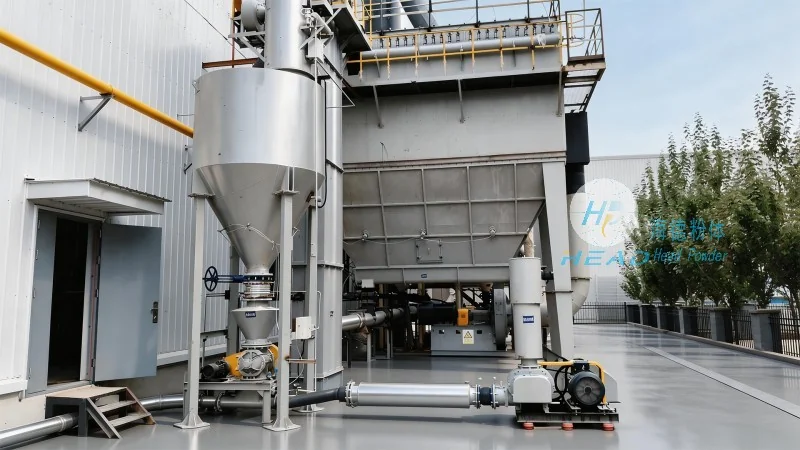
3. System Layout and Geometry: The layout of the conveying system, including the pipeline length, bends, and elevation changes, affects the system's efficiency. The design must account for the gravitational forces and the need to maintain a consistent air flow. Properly designed bends and transitions minimize pressure losses and prevent material deposition.
4. Energy Efficiency: Modern designs prioritize energy efficiency by optimizing the blower or compressor performance and reducing pressure losses in the pipeline. This not only lowers operational costs but also contributes to environmental sustainability. The use of variable speed drives and advanced control algorithms helps in achieving energy savings without compromising performance.
Dust gas pneumatic conveying equipment is used in a wide range of applications across various industries. Its benefits include:
1. Efficient Material Transport: The system allows for the rapid and continuous transport of materials over long distances, improving production efficiency and reducing labor costs.
2. Low Maintenance: Compared to traditional mechanical conveyors, pneumatic systems have fewer moving parts, leading to lower maintenance requirements and longer service life.
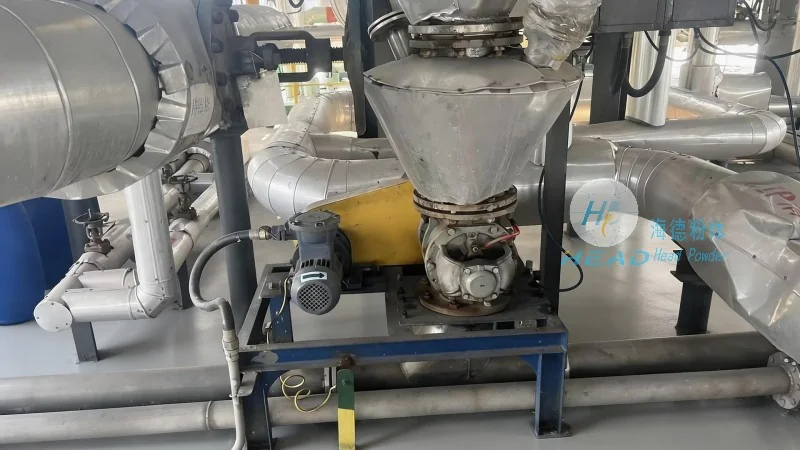
3. Versatility: Pneumatic conveyors can handle a variety of materials, from fine powders to coarse granules, making them suitable for diverse industrial applications.
4. Environmental Safety: The enclosed system prevents dust emissions, ensuring compliance with environmental regulations and improving workplace safety.
Shandong HeadPowder Engineering Co., Ltd., a leading manufacturer in the field, specializes in the design, manufacturing, and supply of dust gas pneumatic conveying equipment. With years of experience and a commitment to quality, the company provides customized solutions tailored to the specific needs of its clients. HeadPowder's products are engineered to meet the highest standards of performance, reliability, and safety, ensuring that industrial operations can handle dust and fine materials efficiently and effectively.
HeadPowder's team of experts works closely with clients to understand their material handling challenges and develop optimal conveying solutions. The company's facilities in Shandong, China, are equipped with advanced technology and skilled personnel to ensure that each product meets the stringent requirements of the industry. By choosing HeadPowder, clients can benefit from reliable equipment that enhances their operational efficiency and contributes to their long-term success.

 Shandong Headpowder Engineering Co., Ltd.
 156-6277-7102(Manager Zhang)
  0531-83386006
  Zhangqiu District, Jinan City, Shandong Province, China
telephone
WeChatconsult
top