With more than 10‑year industry experience, Shandong Headpowder delivers full‑service pneumatic‑conveying systems and blowers, undertaking nationwide turn‑key powder‑handling projects.
For industrial applications that require the efficient and safe transportation of fine coal powder, the pneumatic conveying system stands as a critical solution. This technology enables the movement of bulk materials through a pipeline using pressurized air or vacuum, offering advantages such as reduced dust generation, improved safety, and enhanced process control. The following article delves into the operational process and underlying principles of fine coal powder pneumatic conveying systems, providing insights into how these systems function and the key components involved.
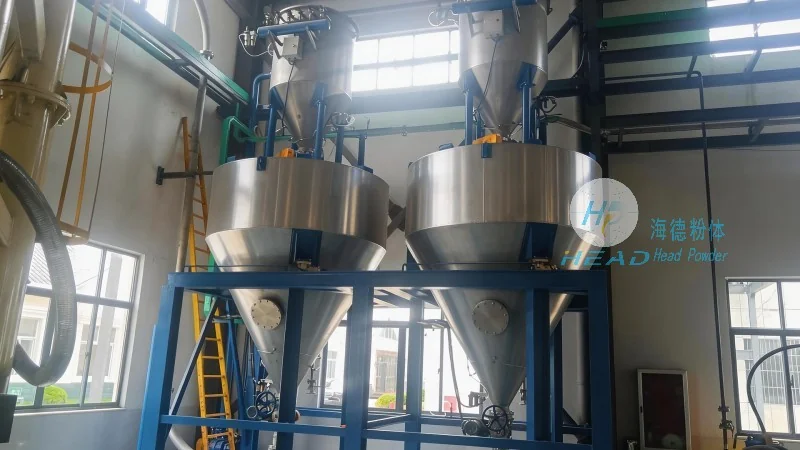
Fine coal powder, typically with particle sizes ranging from 0.1 to 1 mm, presents unique challenges in material handling due to its fine texture and tendency to agglomerate. Conventional methods like belt conveyors or bucket elevators often struggle with dust control and material degradation. Pneumatic conveying systems, on the other hand, provide a solution by utilizing air as the conveying medium. These systems are widely adopted in coal processing plants, power stations, and other industrial facilities where the consistent and reliable transport of fine coal powder is essential for downstream processes like combustion, blending, or storage.
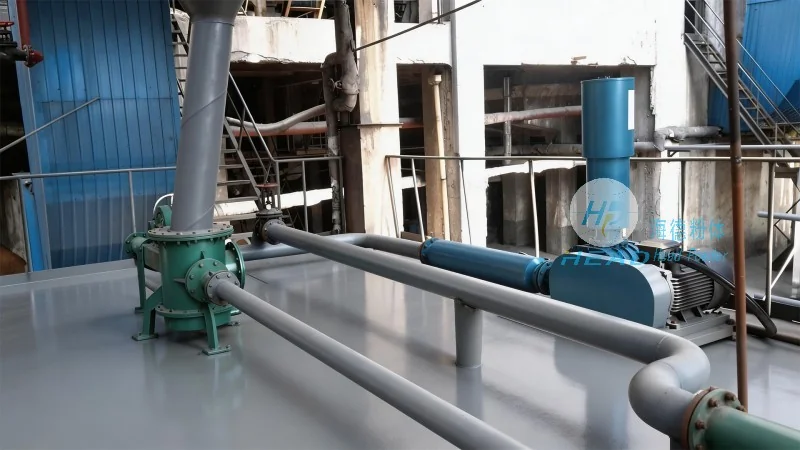
The fine coal powder pneumatic conveying system consists of several interconnected components that work in harmony to achieve efficient material transport. The primary components include the material feeder, conveying pipeline, air compressor or vacuum pump, dust collector, and control system. Each component plays a vital role in the overall operation, ensuring that the fine coal powder is moved safely and effectively from the source to the destination.
Shandong HeadPowder Engineering Co., Ltd., commonly known as Headpowder, is a prominent manufacturer and supplier of pneumatic conveying equipment. With a strong presence in China, particularly in Shandong, Headpowder specializes in designing and manufacturing systems tailored to the specific needs of coal processing industries. The company's expertise lies in understanding the unique characteristics of fine coal powder and developing solutions that optimize material handling efficiency while minimizing operational costs and environmental impact.
The operation of a fine coal powder pneumatic conveying system involves a series of steps that ensure the smooth and continuous transport of the material. The process typically begins with the feeding of fine coal powder into the system. A material feeder, such as a rotary valve or a screw feeder, controls the flow rate of the powder into the conveying pipeline. The feeder is designed to handle the fine texture of the coal powder, preventing blockages and ensuring a consistent feed rate.
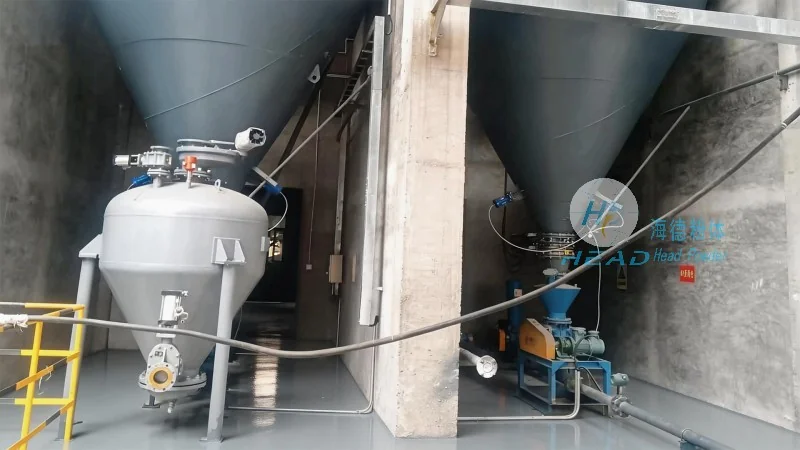
Once the fine coal powder is introduced into the pipeline, the conveying medium—either pressurized air or vacuum—is applied. In a positive pressure system, an air compressor generates the necessary pressure to push the material through the pipeline. The air and powder mixture travels through the pipeline, with the air providing the force to move the material. In a negative pressure system, a vacuum pump creates a vacuum that pulls the material from the source to the destination. The choice between positive and negative pressure depends on factors such as the distance of the conveying line, the height difference, and the material characteristics.
The core principle of pneumatic conveying is the use of air as a medium to transport solid particles. The system operates on the principle of fluidization, where the air flow creates a suspension of the fine coal powder particles. This suspension allows the material to be moved through the pipeline with minimal friction and resistance. The velocity of the air is critical; it must be sufficient to keep the particles suspended and prevent them from settling or depositing on the pipeline walls. The system also incorporates features such as bends, expansions, and contractions in the pipeline to manage the flow and maintain the suspension of the material.
Compared to traditional material handling methods, fine coal powder pneumatic conveying systems offer several advantages. One of the most significant benefits is the reduction in dust generation, which improves workplace safety and environmental compliance. The enclosed pipeline system prevents dust from escaping into the environment, making it ideal for applications where dust control is a priority. Additionally, pneumatic conveying systems allow for precise control over the material flow rate and pressure, enabling better process control and consistency in downstream operations.
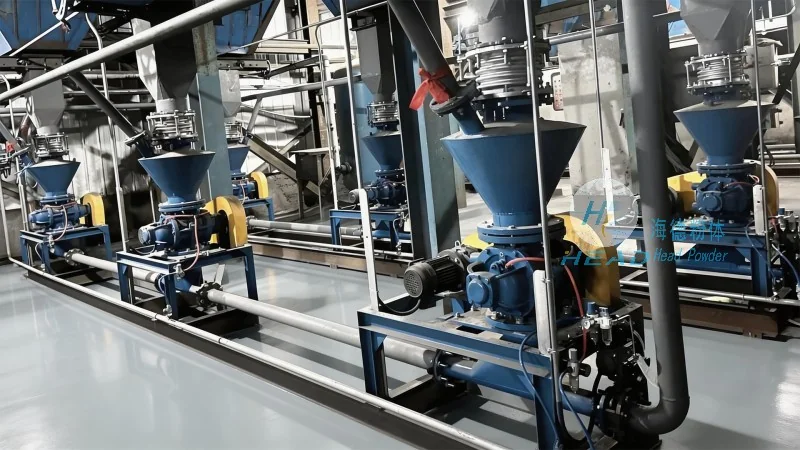
Fine coal powder pneumatic conveying systems are widely used in various industrial sectors, particularly in the coal and power generation industries. In power plants, these systems are used to transport coal from storage silos to the boilers, ensuring a continuous supply of fuel. In coal processing facilities, they are employed to move coal powder for blending, grinding, or storage. The efficiency and reliability of these systems contribute to improved operational performance, reduced downtime, and lower maintenance costs for industrial facilities.
Fine coal powder pneumatic conveying systems represent a sophisticated and effective solution for the transportation of fine materials in industrial applications. The operational process, which involves the coordinated action of various components, ensures the safe and efficient movement of coal powder. The working principle, based on fluidization and air flow, provides a reliable method for material handling. As industries continue to prioritize efficiency, safety, and environmental compliance, the demand for advanced pneumatic conveying systems is expected to grow. Companies like Shandong HeadPowder Engineering Co., Ltd. play a crucial role in meeting this demand by providing customized solutions that cater to the specific needs of modern industrial operations.

 Shandong Headpowder Engineering Co., Ltd.
 156-6277-7102(Manager Zhang)
  0531-83386006
  Zhangqiu District, Jinan City, Shandong Province, China
telephone
WeChatconsult
top