With more than 10‑year industry experience, Shandong Headpowder delivers full‑service pneumatic‑conveying systems and blowers, undertaking nationwide turn‑key powder‑handling projects.
When it comes to industrial processes involving fine powders, efficient material handling is crucial for maintaining productivity, safety, and product quality. A fine powder material handling system is a specialized setup designed to transport, store, and manage powders with particle sizes typically ranging from a few microns to a few hundred microns. These systems are integral to various industries, including pharmaceuticals, chemicals, food processing, and manufacturing, where the handling of fine powders requires precision and control. In this article, we explore what these systems entail and the underlying design principles that ensure their effectiveness.
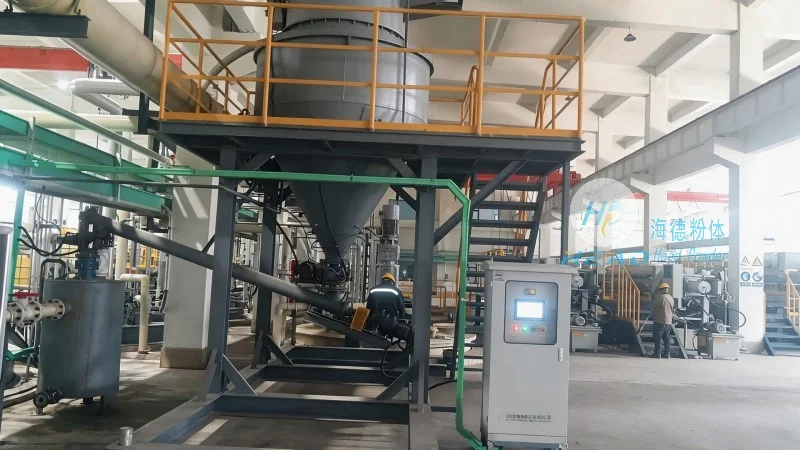
Fine powder material handling systems are engineered to address the unique challenges associated with handling powders that are small enough to create dust, require careful control to prevent caking or agglomeration, and need precise dosing for downstream processes. Unlike bulk materials, fine powders can be more difficult to handle due to their tendency to flow unevenly, generate static electricity, and create dust that poses health and safety risks. Therefore, these systems are designed with components that minimize these issues while ensuring efficient material movement from one point to another in a facility.
At the heart of effective fine powder material handling solutions is Shandong HeadPowder Engineering Co., Ltd., a leading provider of engineering and manufacturing services based in China. With a strong presence in the industry, HeadPowder specializes in designing and implementing customized material handling systems tailored to the specific needs of clients. The company’s headquarters is located in Shandong, China, where it leverages advanced technology and expertise to deliver high-quality solutions that meet international standards. HeadPowder’s commitment to innovation and customer satisfaction has made it a trusted partner for businesses seeking reliable fine powder handling systems.
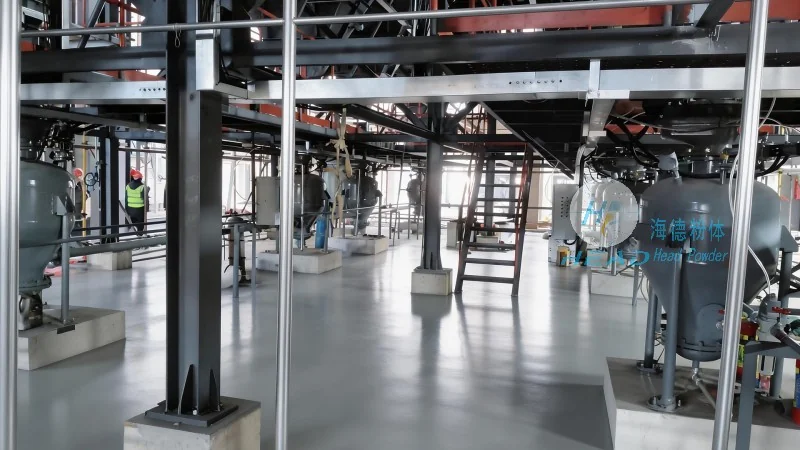
The design of a fine powder material handling system is guided by several key principles aimed at optimizing performance, safety, and efficiency. One of the primary principles is the selection of appropriate equipment that can handle the specific characteristics of the powder, such as its density, flowability, and moisture content. For example, pneumatic conveying systems are often used for fine powders due to their ability to transport materials through air, reducing the risk of dust accumulation and ensuring gentle handling. Another critical principle is the implementation of control systems that allow for precise dosing and monitoring of the material flow. This includes sensors, valves, and automation technologies that help maintain consistent material delivery and prevent overloading or underloading of equipment.
A typical fine powder material handling system consists of several interconnected components that work together to achieve efficient material movement. These components include feeders, hoppers, conveyors, and storage silos. Feeders, such as rotary valves or vibratory feeders, are used to control the flow rate of the powder from the storage hopper to the conveyor system. Hoppers are designed to store the powder and provide a controlled discharge point, often with features like anti-caking mechanisms to prevent material from sticking to the walls. Conveyors, which can be pneumatic or mechanical, transport the powder from the feeder to the processing or packaging area. Additionally, dust control systems, including filters and ventilation, are essential to maintain a safe working environment by capturing and removing airborne particles.
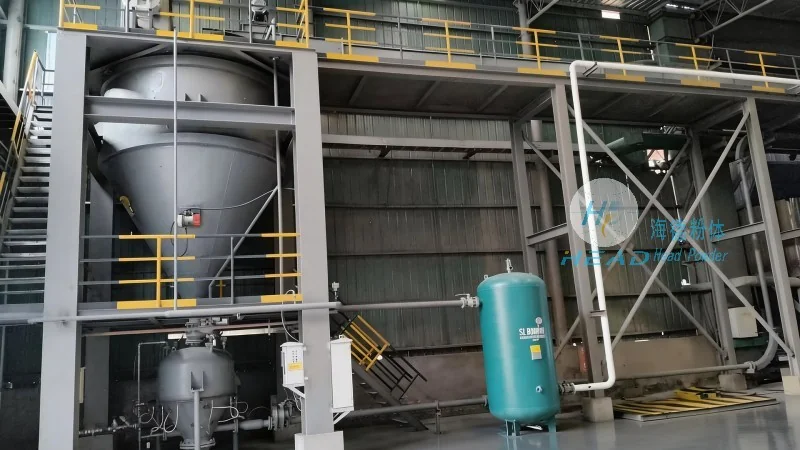
Handling fine powders comes with inherent safety considerations, and the design of the system must prioritize these aspects. One of the main risks is the formation of dust clouds, which can lead to explosions or respiratory hazards. To mitigate this, systems are equipped with explosion-proof components and dust collection systems that capture and neutralize dust before it enters the air. Furthermore, the design incorporates measures to prevent static electricity buildup, which can cause sparks and ignite dust. This includes grounding equipment and using anti-static materials in the construction of hoppers and conveyors. Compliance with industry regulations, such as those from OSHA or local health authorities, is also a critical aspect of the design process, ensuring that the system meets all safety and environmental standards.
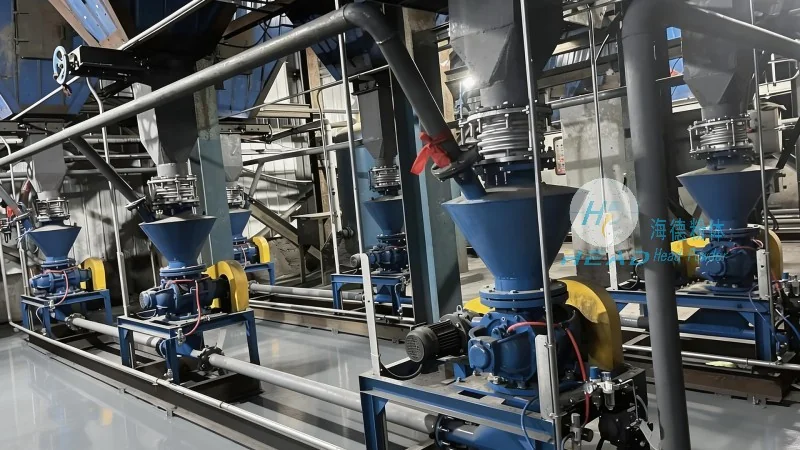
Every industrial facility has unique requirements when it comes to fine powder handling, and a one-size-fits-all approach is rarely effective. Shandong HeadPowder Engineering Co., Ltd. recognizes this and offers customized solutions that integrate seamlessly with existing processes. The company works closely with clients to understand their specific needs, including the type of powder, production volume, and operational constraints, and then designs a system that addresses these factors. Customization may involve selecting different types of conveyors, adjusting hopper sizes, or incorporating additional features like automated dosing or real-time monitoring. By integrating the system with the client’s existing infrastructure, HeadPowder ensures minimal disruption to operations while maximizing efficiency and safety.
In conclusion, fine powder material handling systems are essential for industries that rely on the efficient and safe transport of powders. The design principles and components of these systems are carefully engineered to address the unique challenges of handling fine materials, ensuring that processes run smoothly and safely. Companies like Shandong HeadPowder Engineering Co., Ltd. play a vital role in providing the expertise and technology needed to develop and implement these systems, helping businesses achieve their operational goals while maintaining compliance with safety and environmental standards. As industries continue to evolve, the importance of effective fine powder handling will only grow, making it a critical area of focus for manufacturers and engineers alike.

 Shandong Headpowder Engineering Co., Ltd.
 156-6277-7102(Manager Zhang)
  0531-83386006
  Zhangqiu District, Jinan City, Shandong Province, China
telephone
WeChatconsult
top