

Operation Process and Working Principle of Glass Slag Pneumatic Conveying System Equipment
Glass slag, a byproduct of glass manufacturing processes, poses significant challenges in handling and disposal due to its abrasive nature and potential environmental hazards. Efficient and reliable transportation of glass slag is crucial for maintaining operational efficiency in glass production facilities and ensuring compliance with environmental regulations. Pneumatic conveying systems have emerged as a preferred solution for transporting glass slag, offering advantages such as reduced equipment wear, improved safety, and the ability to handle abrasive materials without the need for mechanical components that can be prone to failure.
Introduction to Pneumatic Conveying Systems for Glass Slag
HeadPowder, a leading provider of industrial conveying solutions, specializes in the design, manufacturing, and installation of glass slag pneumatic conveying systems. With years of experience in the industry, HeadPowder has developed advanced systems tailored to the unique requirements of glass production facilities. The company, based in Shandong, China, leverages cutting-edge technology and engineering expertise to deliver high-performance solutions that meet the demands of modern glass manufacturing.
Key Components of Glass Slag Pneumatic Conveying Systems
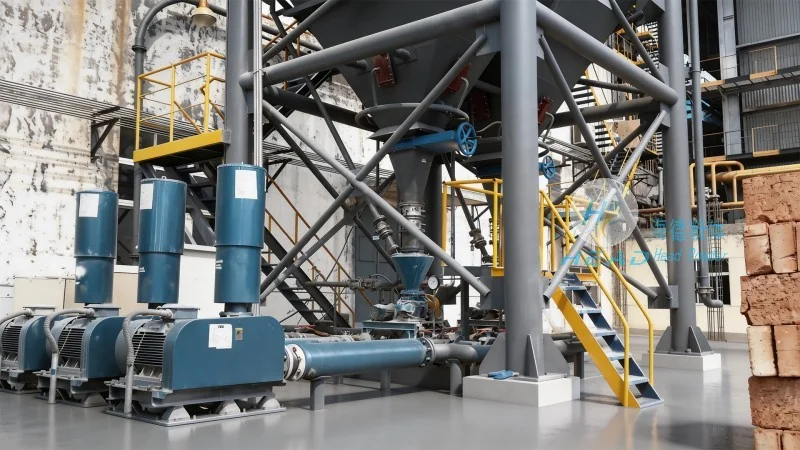
A typical glass slag pneumatic conveying system consists of several critical components that work in tandem to ensure efficient material transport. These components include a hopper for material storage, a feeder to control the flow of glass slag, a conveying line (usually made of stainless steel or other corrosion-resistant materials to withstand the abrasive nature of glass slag), a blower or air compressor to generate the necessary air pressure, and a receiver or discharge unit for the transported material. Each component plays a vital role in the overall operation of the system, and their proper integration is essential for optimal performance.
The Operation Process of Glass Slag Pneumatic Conveying Systems
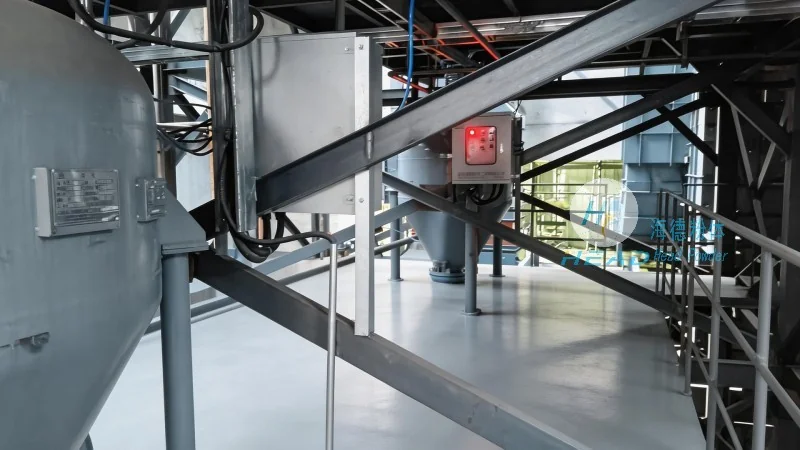
The operation of a glass slag pneumatic conveying system involves a series of steps that ensure the smooth and continuous transport of glass slag from the source to the destination. The process begins with the loading of glass slag into the hopper. The feeder then regulates the flow of material into the conveying line, ensuring a consistent feed rate. Simultaneously, the blower or air compressor generates a high-pressure air stream that propels the glass slag particles through the conveying line. As the glass slag travels through the system, it is carried by the air flow, which helps to prevent material buildup and reduces the risk of blockages. The receiver or discharge unit collects the transported glass slag, completing the cycle. This process is typically automated, with sensors and controls monitoring the system's performance to ensure consistent operation and minimal downtime.
Working Principle of Glass Slag Pneumatic Conveying Systems
The working principle of a glass slag pneumatic conveying system is based on the principle of fluidization and particle transport. The system uses compressed air to create a flow that carries the glass slag particles through the conveying line. The air pressure is maintained at a level sufficient to overcome the gravitational force and any frictional losses within the system. The key to efficient operation is the balance between the air velocity and the particle size and density of the glass slag. Proper air velocity ensures that the particles are fully suspended in the air stream, preventing deposition and ensuring smooth transport. The system's design, including the diameter and length of the conveying line, the type of feeder, and the air pressure, is optimized to achieve the desired conveying capacity and efficiency.
Advantages of Glass Slag Pneumatic Conveying Systems
Compared to traditional mechanical conveying methods, glass slag pneumatic conveying systems offer several advantages that make them the preferred choice for many glass production facilities. One of the primary advantages is the reduction in equipment wear and tear. Since the glass slag is transported by air rather than mechanical components, the risk of abrasion and wear is significantly lower, leading to longer equipment life and lower maintenance costs. Another advantage is improved safety. Pneumatic systems eliminate the need for moving parts that can pose a risk of entanglement or injury, making them safer for operators. Additionally, pneumatic systems can handle abrasive and corrosive materials without the need for special coatings or materials, as the conveying line is typically made of stainless steel or other corrosion-resistant materials. The systems also offer flexibility in terms of layout, as the conveying line can be installed in various configurations to accommodate the specific layout of the glass production facility.
Applications and Use Cases
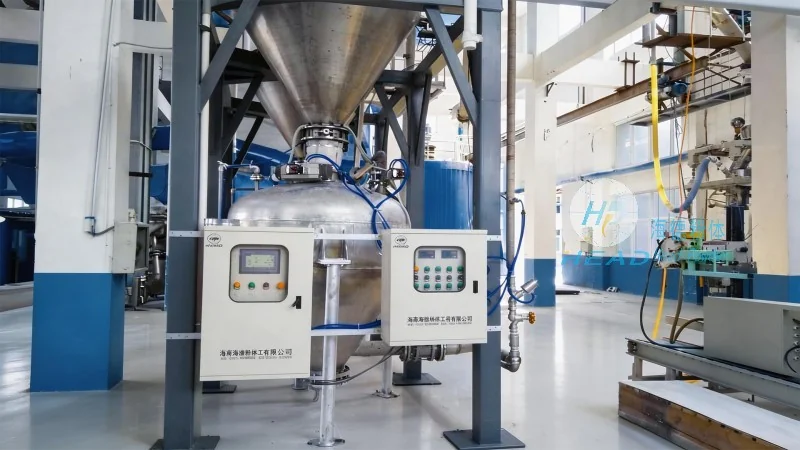
Glass slag pneumatic conveying systems are widely used in various applications within the glass manufacturing industry. These systems are commonly employed to transport glass slag from the furnace to the storage or disposal area, or to transport it to a recycling facility for further processing. The systems can also be used to convey glass slag from one production line to another, ensuring a continuous flow of materials and minimizing bottlenecks. In addition, the systems are used in environmental applications, such as transporting glass slag to landfills or recycling centers, where it can be used as a raw material for other products or as a construction material. The versatility of the systems makes them suitable for a wide range of applications, from small-scale glass production facilities to large-scale industrial plants.
Maintenance and Operational Considerations
Proper maintenance and operational considerations are essential for ensuring the long-term performance and reliability of glass slag pneumatic conveying systems. Regular maintenance, including cleaning of the conveying line, checking the condition of the feeder and blower, and inspecting the hopper and receiver, is crucial for preventing system failures and minimizing downtime. The system's controls should be regularly checked to ensure they are functioning correctly and that the air pressure and flow rates are within the recommended parameters. Additionally, the system should be monitored for any signs of wear or damage, such as increased air pressure or reduced conveying capacity, which may indicate a problem with the system. Proper training of operators is also important to ensure that they understand the system's operation and can respond appropriately to any issues that may arise.
Conclusion
Glass slag pneumatic conveying systems are an essential component of modern glass production facilities, providing efficient and reliable transportation of glass slag while reducing the risk of equipment wear and improving safety. HeadPowder, with its expertise in industrial conveying solutions, offers high-quality glass slag pneumatic conveying systems that are designed to meet the specific needs of glass manufacturing facilities. By leveraging advanced technology and engineering expertise, HeadPowder delivers systems that are reliable, efficient, and cost-effective, helping glass production facilities to maintain operational efficiency and comply with environmental regulations. With its headquarters in Shandong, China, HeadPowder continues to be a leading provider of glass slag pneumatic conveying systems, serving clients worldwide with its innovative solutions.