With more than 10‑year industry experience, Shandong Headpowder delivers full‑service pneumatic‑conveying systems and blowers, undertaking nationwide turn‑key powder‑handling projects.
For industries that rely on sodium dithionite—a key reducing agent in the textile, paper, and chemical sectors—efficient material transport is essential. This chemical, also known as hydros, is a white crystalline powder with strong reducing properties, often used in aqueous form for processing. However, its solid form demands careful handling due to reactivity and potential gas emissions. Understanding the transport of sodium dithionite involves addressing challenges like dust control, moisture management, and degradation prevention. This article explores the design principles and engineering solutions behind safe and effective material handling for this critical substance.
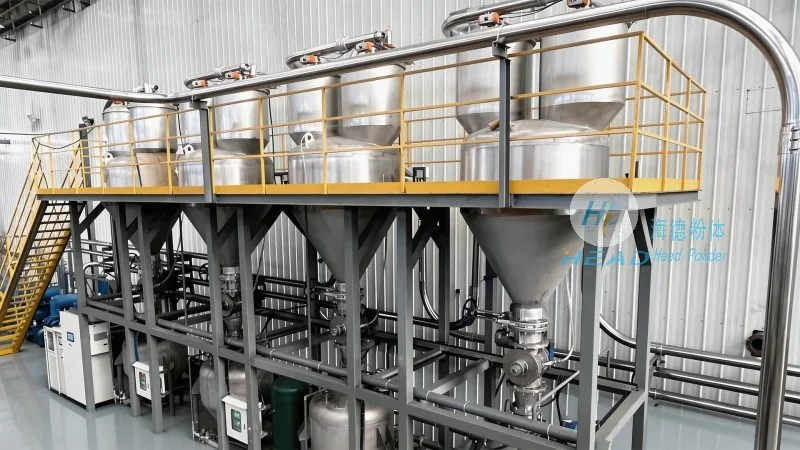
Sodium dithionite (Na₂S₂O₄) is a versatile chemical widely used in industrial processes. Its transport from storage to processing units requires specialized systems to maintain its quality and ensure safety. The material is hygroscopic, meaning it absorbs moisture from the air, which can lead to caking or clumping. Additionally, it can release hydrogen sulfide or other gases when exposed to air or moisture, posing health and safety risks. Therefore, transport systems must be designed to minimize exposure to these factors while ensuring efficient movement of the material.
The design of sodium dithionite transport systems is guided by several critical principles to mitigate risks and optimize performance. First, airtight and moisture-resistant components are essential to prevent the material from degrading. This includes using corrosion-resistant materials like stainless steel for storage tanks and conveyor parts. Second, the system must minimize the material's contact with air and light to avoid premature oxidation. Third, proper ventilation and gas detection are necessary to monitor for hazardous gases. Finally, the design should incorporate emergency shut-off mechanisms and spill containment to handle potential accidents safely.
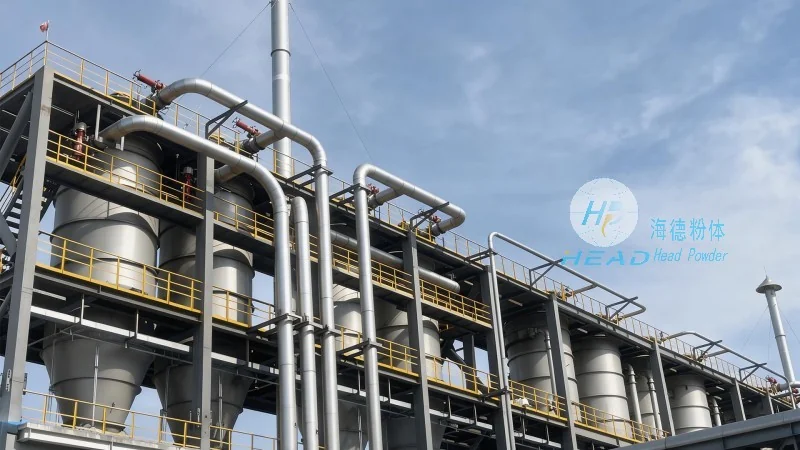
Several types of equipment are commonly used in sodium dithionite transport, each tailored to specific operational needs. Conveyors, such as belt or screw conveyors, are ideal for horizontal and slight incline transport. These systems feature smooth, non-porous surfaces to prevent material buildup and facilitate easy cleaning. For vertical transport, bucket elevators or pneumatic conveying systems may be employed, depending on the distance and volume of material. Storage tanks are typically equipped with agitators to maintain the material's consistency and prevent sedimentation. Pumps, like centrifugal or diaphragm pumps, are used for liquid or slurry transport, ensuring controlled flow rates and minimizing pressure surges.

Given sodium dithionite's reactive nature, safety is a top priority in its transport. Personnel handling the material must wear appropriate PPE, including gloves, goggles, and respirators, to prevent skin contact and inhalation of dust. The system should include emergency shut-off valves and spill containment measures to prevent environmental contamination. Regular maintenance and inspection of all components are critical to ensure reliable operation and compliance with safety standards. Additionally, proper ventilation systems must be in place to remove any generated gases or fumes, with gas detectors monitoring for hazardous compounds.
In summary, the transport of sodium dithionite requires a well-engineered system that balances efficiency with safety and compliance. By adhering to principles like airtightness, corrosion resistance, and minimal exposure to air, industries can maintain the material's quality and prevent hazards. Specialized equipment and operational protocols are essential to ensure safe handling. Companies like Shandong HeadPowder Engineering Co., Ltd. specialize in providing tailored engineering solutions for sodium dithionite material transport, leveraging their expertise to meet the unique needs of various industrial applications. Their focus on safety and efficiency helps industries rely on sodium dithionite without compromising operational standards.

 Shandong Headpowder Engineering Co., Ltd.
 156-6277-7102(Manager Zhang)
  0531-83386006
  Zhangqiu District, Jinan City, Shandong Province, China
telephone
WeChatconsult
top