With more than 10‑year industry experience, Shandong Headpowder delivers full‑service pneumatic‑conveying systems and blowers, undertaking nationwide turn‑key powder‑handling projects.
Aluminum dross material handling systems are specialized industrial solutions designed to manage the transportation, processing, and recycling of aluminum dross. Aluminum dross is a byproduct generated during the aluminum smelting and casting processes, consisting of a mixture of metal, slag, and other impurities. Efficient handling of this material is crucial for optimizing production efficiency, reducing waste, and ensuring environmental compliance. The design of such systems involves careful consideration of the physical properties of aluminum dross, operational requirements, and safety standards.
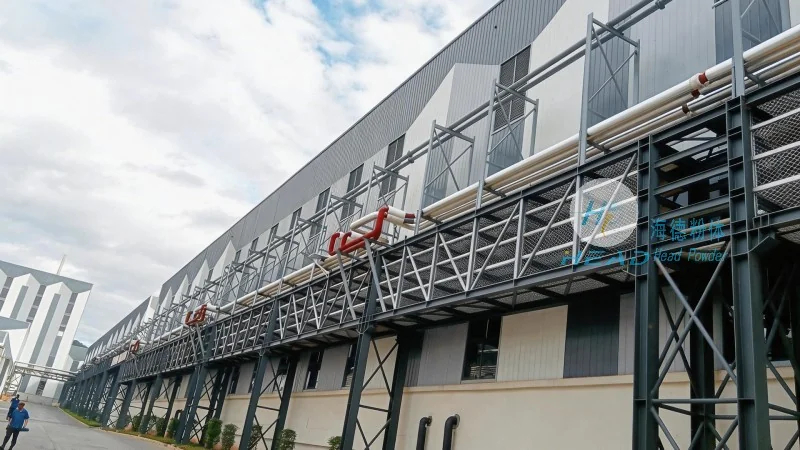
The core components of an aluminum dross material handling system typically include bulk material handling equipment, separation devices, and control systems. Bulk material handling equipment such as conveyor belts, bucket elevators, or pneumatic conveyors are used to transport aluminum dross from the source to processing units. Separation devices, like magnetic separators or air classifiers, are integrated to remove non-metallic impurities and separate valuable metal components from the dross. Control systems, often equipped with sensors and automation technology, monitor the flow of material and adjust operational parameters to maintain optimal performance.
The design principles of aluminum dross material handling systems prioritize several critical factors. Firstly, material handling efficiency is paramount, as the system must handle large volumes of dross while minimizing downtime and operational costs. Secondly, safety is a top priority due to the abrasive and potentially hazardous nature of aluminum dross. The design incorporates robust construction materials, protective enclosures, and emergency stop mechanisms to prevent accidents. Thirdly, environmental considerations are integrated into the design, ensuring that the system complies with regulations regarding dust control, emissions, and waste disposal. Additionally, the system is engineered for durability and ease of maintenance, with modular components that can be replaced or serviced without extensive downtime.
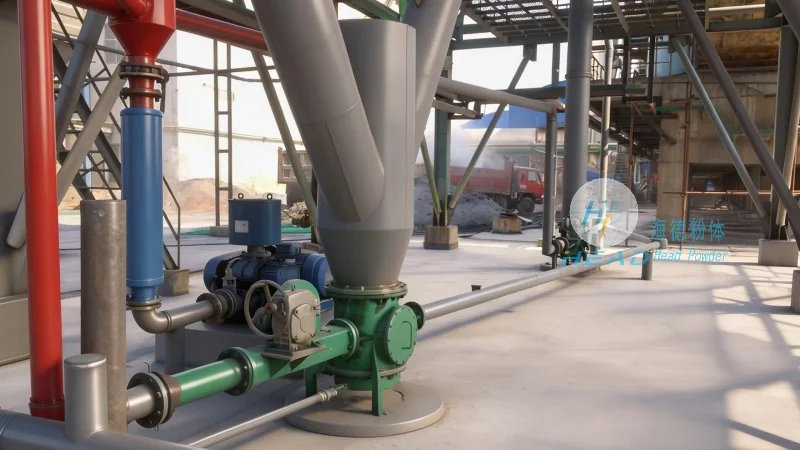
Operational considerations play a vital role in the effective functioning of aluminum dross material handling systems. The system must be capable of handling the varying characteristics of aluminum dross, which can include different compositions, moisture levels, and particle sizes. This requires flexible design elements, such as adjustable conveyor speeds and variable feed mechanisms, to accommodate changes in material properties. Furthermore, the system is designed to integrate seamlessly with existing production lines, ensuring a smooth flow of material from the dross generation point to the recycling or processing stages. Regular maintenance and monitoring are essential to maintain the system's performance and extend its service life.
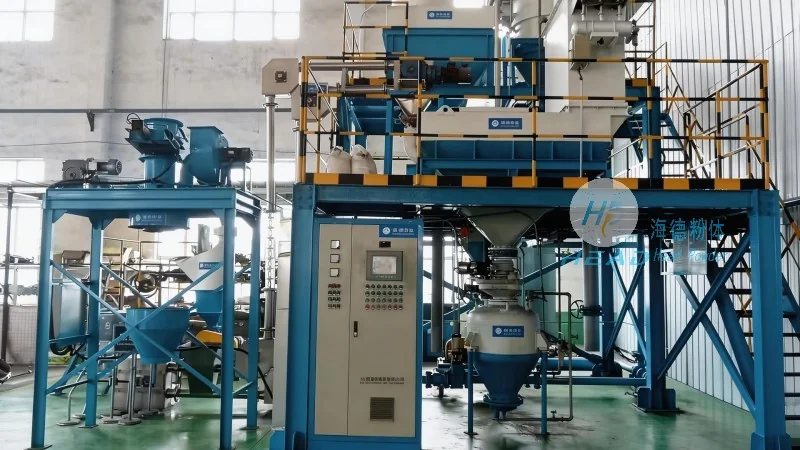
Aluminum dross material handling systems are widely used in the aluminum industry, particularly in smelting plants, foundries, and recycling facilities. The primary benefits of these systems include improved production efficiency, reduced labor costs, and enhanced environmental performance. By automating the handling and processing of aluminum dross, companies can increase the recovery rate of valuable aluminum metal, thereby reducing raw material costs and minimizing waste. Additionally, the systems contribute to a safer working environment by minimizing manual handling of hazardous materials and reducing the risk of dust-related health issues. The design of these systems also supports sustainable practices, as they enable the recycling of aluminum dross, which is a key component of the circular economy in the aluminum industry.
In conclusion, aluminum dross material handling systems are essential industrial solutions that facilitate the efficient and safe management of aluminum dross. The design principles, which prioritize efficiency, safety, and environmental compliance, ensure that these systems meet the demanding requirements of modern aluminum production. By integrating advanced technology and robust engineering, these systems contribute significantly to the sustainability and profitability of aluminum processing operations. As the aluminum industry continues to evolve, the importance of well-designed material handling systems will only grow, making them a critical component of any successful aluminum production facility.

 Shandong Headpowder Engineering Co., Ltd.
 156-6277-7102(Manager Zhang)
  0531-83386006
  Zhangqiu District, Jinan City, Shandong Province, China
telephone
WeChatconsult
top