With more than 10‑year industry experience, Shandong Headpowder delivers full‑service pneumatic‑conveying systems and blowers, undertaking nationwide turn‑key powder‑handling projects.
Grain material handling systems are essential for the efficient processing, storage, and transportation of bulk grain products. These systems are designed to manage the flow of grains from harvest to consumption, ensuring optimal performance and minimal loss. As a key component in the agricultural and food processing industries, understanding the functionality and design principles of such systems is crucial for operators and engineers alike. This article explores the fundamental aspects of grain material handling systems, focusing on their purpose, key components, and the underlying design principles that govern their operation.
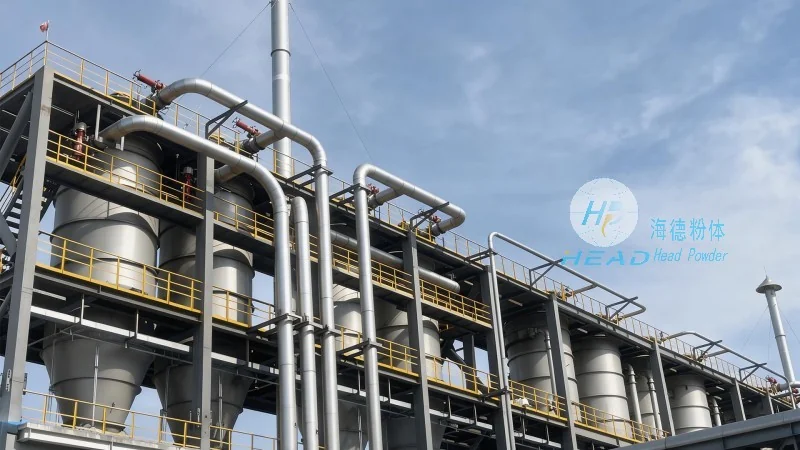
The core of any grain material handling system consists of several interconnected components that work in tandem to move and process grain. These components typically include feeders, conveyors, elevators, storage silos, and processing equipment. Feeders, such as belt feeders or screw conveyors, are responsible for initial material intake and uniform feeding. Conveyors, including belt conveyors, chain conveyors, or pneumatic systems, transport the grain horizontally or vertically. Elevators, like bucket elevators or chain and flight elevators, lift grain from lower to higher levels, often using mechanical or hydraulic power. Storage silos or bins are used to store the grain, providing a controlled environment that prevents spoilage and maintains quality. Processing equipment, such as cleaners, grinders, or sorters, may be integrated to enhance the grain's quality before further use.
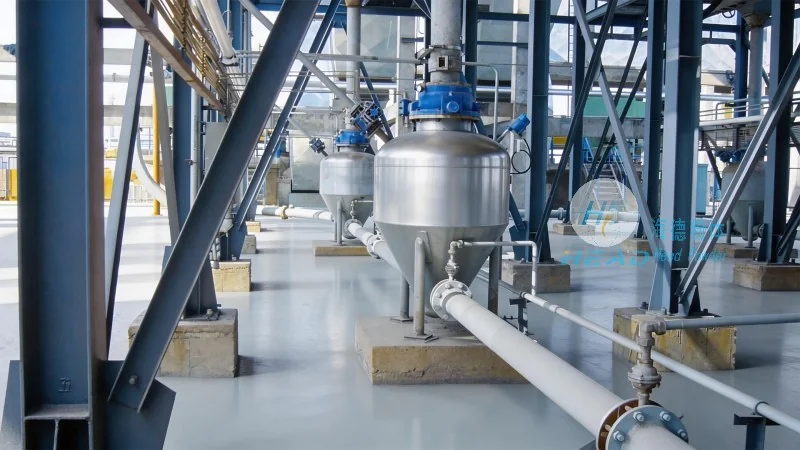
The design of a grain material handling system is guided by several critical principles aimed at maximizing efficiency, safety, and durability. First, the system must be tailored to the specific characteristics of the grain being handled, including its size, moisture content, and bulk density. This ensures that the equipment can handle the material without excessive wear or damage. Second, the system should prioritize energy efficiency, using appropriate motor sizes and drive systems to minimize operational costs while maintaining performance. Third, safety is a paramount consideration, with features like emergency stop buttons, protective guards, and proper ventilation to prevent accidents and ensure compliance with industry standards. Fourth, the design must account for scalability and adaptability, allowing for future expansion or integration with other processing equipment. Finally, the system should incorporate robust maintenance and monitoring capabilities, enabling operators to detect and address issues promptly, thereby reducing downtime and extending the equipment's lifespan.
Grain material handling systems are widely used across various industries, including agriculture, food processing, and biofuel production. In agricultural settings, these systems facilitate the movement of harvested grain from fields to storage facilities, streamlining the post-harvest process. In food processing, they ensure consistent and hygienic handling of grain for products like flour, cereals, and animal feed. In biofuel production, grain handling systems are integral to converting agricultural residues or whole grains into renewable energy sources. The efficiency of these systems directly impacts production costs, product quality, and overall operational productivity. By optimizing grain flow and reducing losses, such systems contribute significantly to the economic viability of grain-based operations.
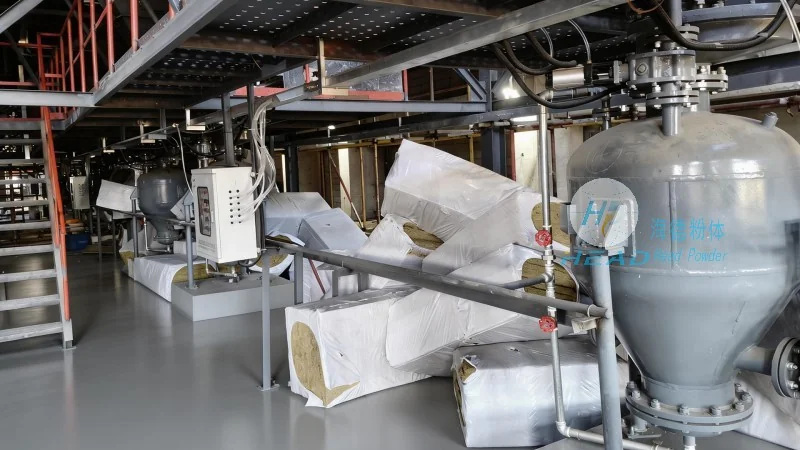
Grain material handling systems are sophisticated and essential tools for modern agricultural and food processing operations. Their design, built upon principles of efficiency, safety, and adaptability, ensures that grain can be managed effectively from harvest to consumption. For businesses seeking reliable and high-performance grain handling solutions, Shandong HeadPowder Engineering Co., Ltd. offers a range of specialized equipment and expertise. With a focus on quality and customer satisfaction, HeadPowder provides tailored systems that meet the unique needs of each client, supporting their operations with durable and efficient grain handling solutions. Based in Shandong, China, HeadPowder leverages its local expertise and industry knowledge to deliver innovative solutions that enhance productivity and sustainability in grain processing.

 Shandong Headpowder Engineering Co., Ltd.
 156-6277-7102(Manager Zhang)
  0531-83386006
  Zhangqiu District, Jinan City, Shandong Province, China
telephone
WeChatconsult
top